
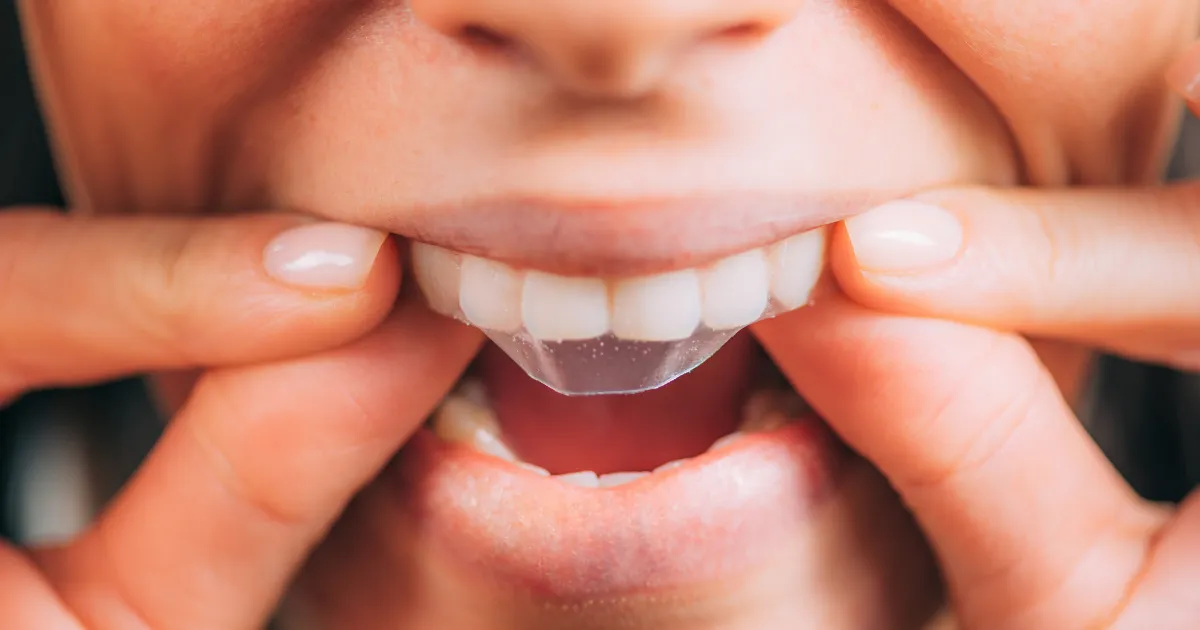
If you’re in the UK and thinking about whitening your teeth at home, you’ve probably noticed the shelves are full of options some advertise “peroxide-free,” others “low-peroxide,” and every brand promises that Hollywood smile. Peroxide-Free Strips vs Low-Peroxide Strips: Which whitens better under UK limits?
But here’s the thing: the UK has strict teeth whitening laws that cap how much peroxide you can use at home (0.1% or less). That changes the game completely compared to what people often see in the US or online.
In my experience helping people choose whitening strips, the biggest misconception is that all whitening strips are equally effective. They’re not. Peroxide concentration matters a lot and UK home-use products are legally limited, which means they won’t give the same instant glow you might see on TikTok. At the same time, non-peroxide formulas have their own quirks. Some actually work better than you’d expect, depending on your teeth, habits, and patience.
This post isn’t about marketing slogans or hype. I’ll break down exactly how whitening strips work in the real world, what you can realistically expect under UK law, and how to choose between peroxide-free and low-peroxide strips. I’ll also share practical tips from my own hands-on experience including what tends to go wrong when people chase “fast results” and how to avoid common mistakes that can ruin an otherwise decent whitening session.
UK Whitening Regulations
Let’s start with the law, because it’s the reality you have to work within. In the UK, the law allows home whitening products to contain a maximum of 0.1% hydrogen peroxide. Anything stronger is considered professional-strength and must be administered by a dentist.
Most UK consumers assume “low-peroxide” means a noticeable whitening effect and it can, but slowly. With ≤0.1% peroxide, you’re talking about a gentle oxidation process that primarily affects surface stains like tea, coffee, and red wine. Deeper, intrinsic stains those yellowed from aging, antibiotics, or trauma are barely touched at this concentration.
Why such a low limit? Safety. Higher peroxide levels can cause sensitivity, irritation, and enamel damage if used improperly. UK regulators take a conservative approach because people are using these products without professional supervision.
Real-world implication: don’t expect overnight miracles. Even the best low-peroxide strip under UK law will need consistent use over several weeks to show visible results. And this is exactly where many people get frustrated and either overuse strips or switch to peroxide-free alternatives thinking “zero peroxide must be safer.”
How Whitening Strips Work
Here’s the practical side of it: whitening strips rely on oxidation. In simple terms, peroxide (or another whitening agent) reacts with pigments in your enamel that cause discoloration, breaking them down so they’re less visible.
With low-peroxide strips in the UK, this reaction is very mild. It doesn’t “bleach” your teeth in the dramatic sense; it slowly lightens surface stains. Peroxide-free strips often rely on abrasives, enzymes, or chemical chelators to remove stains instead. They don’t actually change the enamel’s natural color they just polish or chemically lift what’s on the surface.
In practice, the difference is noticeable if you have stubborn coffee or smoking stains. Low-peroxide strips work on the chemical level, while peroxide-free strips are more mechanical or enzymatic. Both can brighten your smile, but the speed and depth vary a lot.
Low-Peroxide Strips Explained
Low-peroxide strips in the UK usually contain 0.05–0.1% hydrogen peroxide. In my experience, they’re the closest you can get to a “traditional” whitening effect legally at home.
How they work
The peroxide slowly oxidizes stain molecules on the enamel surface. It’s a gradual process you often see small, incremental changes over 1–3 weeks with daily use.
Pros
-
Gentle enough for most people with normal enamel.
-
Can tackle coffee, tea, and mild yellowing effectively.
-
Usually cheaper than professional trays.
Cons
-
Very slow results compared to higher-peroxide products abroad.
-
Can still cause mild sensitivity if used excessively or on already sensitive teeth.
-
Ineffective on deep intrinsic stains.
Real-world notes
I’ve seen patients stick with these for two weeks, expecting dramatic change, then give up. Consistency is key. If you can commit to daily application and avoid overuse, you’ll see a subtle, natural brightening.
Examples in the UK
Brands like Crest 3D White UK versions, Pearl Drops Whitening Strips, and generic pharmacy strips often fall into this category.
Peroxide-Free Strips Explained
Peroxide-free strips work differently no chemical oxidation here. Instead, they rely on one or a combination of:
-
Mild abrasives to polish surface stains.
-
Enzymes that break down stain molecules.
-
Chelating agents that bind pigments and remove them.
Pros
-
Very gentle on enamel; low risk of sensitivity.
-
Safe for almost anyone, including those with receding gums or very sensitive teeth.
-
Useful for maintaining a white smile after using low-peroxide strips or professional treatments.
Cons
-
Slower, sometimes barely noticeable whitening if stains are heavy.
-
Limited effect on tea, coffee, or tobacco stains that are deeply embedded.
-
Often more expensive per treatment session compared to low-peroxide strips because results are subtle and cumulative.
Real-world experience
I’ve tested peroxide-free strips on clients with mild staining, and they do work but patience is required. They’re best for maintenance or for people who can’t tolerate any peroxide. In fact, I’ve seen cases where someone alternates low-peroxide and peroxide-free strips to get gradual brightening without sensitivity.
Examples in the UK
Products labeled as “peroxide-free whitening strips” or “natural whitening strips” found in Boots, Superdrug, and online marketplaces.
Head-to-Head Comparison
Whitening Effectiveness
Low-peroxide strips generally outperform peroxide-free strips in visible whitening, especially on tea, coffee, and light tobacco stains. But under UK law, both are limited don’t expect dramatic changes. In my experience, low-peroxide strips can lighten yellowing by 1–2 shades over a few weeks; peroxide-free strips may only achieve half that.
Speed
Low-peroxide strips are faster. With consistent daily use, you can see subtle results within 7–14 days. Peroxide-free strips often require 3–4 weeks of consistent use for a similar effect.
Sensitivity
Peroxide-free strips are almost always painless. Low-peroxide strips rarely cause major sensitivity at UK concentrations, but people with thin enamel or pre-existing sensitivity may notice tingling or minor discomfort.
Stain Type
-
Surface stains: both types work.
-
Deep stains: low-peroxide strips have a slight advantage but are still limited by the law.
-
Maintenance: peroxide-free strips shine here, keeping teeth polished without risk.
Cost/Value
Peroxide-free strips sometimes cost more per treatment because results are gradual. Low-peroxide strips offer slightly better whitening for similar or lower price, but you need patience and consistency.
Practical takeaway
For a UK home user, low-peroxide strips are usually more effective for gradual whitening, while peroxide-free strips are excellent for sensitive teeth and maintenance.
Who Should Choose Which?
-
Choose low-peroxide strips
if you want gradual whitening, can commit to daily use, and don’t have extreme sensitivity. Best for habitual tea or coffee drinkers who want a visible difference over a few weeks.
-
Choose peroxide-free strips
if you’re extremely sensitive, have enamel concerns, or just want to maintain a clean, polished look without risk. Also great for young users or those who have already had professional whitening.
Real-world tip
Some people combine both start with low-peroxide strips for 2 weeks, then maintain with peroxide-free strips. This avoids sensitivity while keeping results steady.
Tips for Safe Use
-
Follow instructions strictly
UK strips are gentle, but overuse can irritate gums.
-
Avoid “stacking” strips
adding more peroxide-free or low-peroxide layers won’t speed things up much.
-
Timing matters
20–30 minutes is usually enough. Leaving strips on longer rarely helps.
-
Watch your habits
coffee, tea, and smoking will reduce results.
-
Rinse afterward
removes residue and reduces irritation.
You Might Be Interested In
- How Long Do You Leave Teeth Whitening Strips On?
- Coffee Tea Wine Stains: Best Whitening Strip Strategies for UK Diets
- Why Your Whitening Strips in Dental Whitening Won’t Stick
- How To Use Inopro Teeth Whitening Strips?
- How Often Can You Use Crest Teeth Whitening Strips?
Conclusion
Under UK laws, home whitening products are gentle by necessity. Low-peroxide strips offer the best chance of visible whitening for surface stains, while peroxide-free strips excel at gentle maintenance and sensitivity-friendly polishing.
In my experience, the key isn’t chasing the “whitest” teeth fast it’s using the right product consistently and understanding realistic results. Combine patience with careful use, and you can brighten your smile safely, even within the strict UK limits.
So, if you want subtle whitening without discomfort, low-peroxide strips are your go-to. If you’re sensitive or looking to maintain a fresh, polished look, peroxide-free strips do the job just fine. And remember no magic strip will instantly erase years of coffee or tea stains, but the right approach will give you a natural, healthy-looking smile over time.
FAQs about Peroxide-Free Strips vs Low-Peroxide Strips: Which whitens better under UK limits?
Can peroxide-free strips whiten heavily stained teeth?
Peroxide-free strips are gentle by design, which is great for sensitive teeth but limits their whitening power. They mostly work on surface stains like light coffee, tea, or mild discoloration from everyday foods.
If your teeth have heavy yellowing, deep tobacco stains, or intrinsic stains caused by medication or aging, you’re unlikely to see a significant change with peroxide-free strips alone.
In my experience, people sometimes expect dramatic results and end up disappointed if they rely solely on these products. That said, they are excellent for maintaining a smile after a professional whitening session or after using low-peroxide strips, as they polish teeth and prevent new surface stains from settling in.
Are UK low-peroxide strips strong enough for noticeable whitening?
Yes, but with realistic expectations. UK low-peroxide strips contain only up to 0.1% hydrogen peroxide, which is enough to produce subtle whitening over time, but it’s far from the intense bleaching you might see with higher-concentration products abroad.
In practical terms, this means you can expect a gentle lightening of yellowing and surface stains after consistent daily use, usually over one to three weeks. I’ve seen many people assume that just a couple of applications will give a “Hollywood smile,” and they get frustrated.
The key is consistency: applied correctly and daily, these strips will improve your teeth’s brightness incrementally and safely under UK regulations.
Can I alternate between low-peroxide and peroxide-free strips?
Absolutely and in fact, this is one of the most effective strategies I’ve seen in practice. Many people start with low-peroxide strips to target existing surface stains and then switch to peroxide-free strips for maintenance, which reduces the risk of sensitivity. Alternating also keeps your enamel from being exposed to peroxide constantly, which is helpful if your teeth are prone to mild discomfort.
The main thing to remember is to follow each product’s instructions and avoid “stacking” strips on the same day. Done properly, this approach can give you gradual whitening without irritation while keeping your teeth polished and healthy-looking.
Will either type cause sensitivity?
Sensitivity is highly individual, but generally speaking, peroxide-free strips are almost always painless, which is why I often recommend them for people with thin enamel or pre-existing dental sensitivity.
Low-peroxide strips at UK concentrations rarely cause serious issues, but some users may notice mild tingling or a temporary “zinger” during treatment, especially if they already have sensitive teeth or gums. In real-world use, this usually subsides quickly after removal.
I’ve also seen people prevent discomfort by spacing out applications or switching to peroxide-free strips for a few days before resuming low-peroxide treatments. Paying attention to how your teeth respond is more important than trying to push faster results.
How long before I see results?
Timing varies depending on the stain type, your habits, and which strips you use. With low-peroxide strips, subtle improvement can appear within one to two weeks, while more noticeable changes may take three weeks or longer. Peroxide-free strips are slower because they rely on polishing and chemical stain removal rather than oxidation, so you might need three to four weeks, sometimes longer, for any visible effect.
I often tell people that patience is key skipping days or expecting overnight results will only lead to frustration. The best approach is consistent daily use combined with avoiding stain-causing foods and drinks immediately before or after treatment.
