
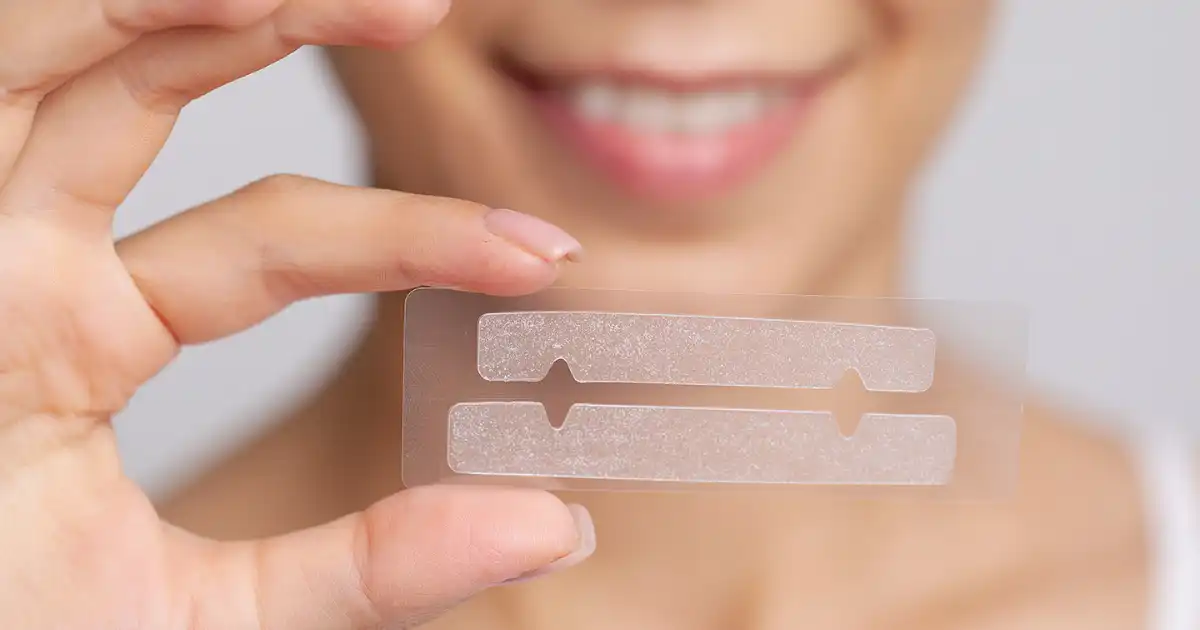
If you’ve ever stared at your morning coffee-stained teeth and wondered, “Could whitening strips actually work for me?”, you’re not alone. Teeth whitening strips are everywhere in UK supermarkets and pharmacies, promising brighter teeth with minimal fuss. But here’s the catch: using them too often or the wrong way can lead to sensitivity, uneven whitening, or even enamel damage. On the other hand, using them too rarely can leave you staring at a tube of strips gathering dust while your teeth barely change.
So, how often should you use whitening strips? The answer isn’t as simple as “once a day for a week.” It depends on the product’s strength, your dental history, lifestyle habits, and how your teeth react. UK regulations limit the peroxide concentration in over-the-counter whitening products (usually around 6% hydrogen peroxide or 0.1–6% carbamide peroxide), which makes strips safer than some online US imports but also slower to show results if misused.
In this post, I’ll walk you through the real-world ins and outs of whitening strips: how they work, the right frequency, how to apply them safely, and what to do if sensitivity strikes. No marketing fluff just what actually works for UK users.
What Are Whitening Strips?
Whitening strips are thin, flexible plastic strips coated with a peroxide-based gel. When applied to your teeth, the peroxide penetrates the enamel and breaks down stains at a molecular level. Sounds simple, but the reality is a bit messier.
Many people assume the more peroxide, the faster the results. That’s not entirely true. Stronger peroxide concentrations can work faster but also increase the risk of sensitivity and enamel irritation. UK over-the-counter strips are limited to safe levels, so don’t expect overnight miracles but consistent use can still yield noticeable improvement in a week or two.
Common mistakes I’ve seen:
-
Leaving strips on longer than recommended, thinking “more contact = better whitening.” Nope that’s how you get sore gums and enamel stress.
-
Applying strips unevenly, causing patchy whitening.
-
Using strips on crowns, veneers, or fillings and expecting them to whiten (they won’t).
In practice, whitening strips are great for surface stains coffee, tea, wine, and smoking marks but not for intrinsic discoloration caused by medications or aging dentin. Understanding what they can and cannot do is key to using them safely and effectively.
Typical Use Instructions
Most UK whitening strip brands recommend a simple routine: apply a strip to the top and bottom teeth once a day for 30 minutes, usually for 7–14 days. Some brands go up to 21 days for stubborn stains.
Here’s the reality I’ve seen: many people either ignore instructions or improvise. Some try to double-strip both jaws at once for “quicker results,” only to end up with gunky strips sliding off mid-episode. Others forget to dry teeth first, leaving saliva to dilute the gel.
Here’s a practical breakdown of what UK brands say vs. what works in real life:
-
Dry teeth first
Slightly blot your teeth with a tissue or gauze strips adhere better and reduce gel slipping.
-
Apply evenly
Make sure the gel contacts the visible front teeth. Overlapping is okay, but crumpling causes uneven whitening.
-
Timing matters
Stick to the recommended 30–45 minutes. More time doesn’t equal faster whitening and increases sensitivity risk.
-
Storage
Keep strips in a cool, dry place. Heat can degrade peroxide and reduce effectiveness.
-
Consistency beats intensity
Daily use as instructed is more effective than sporadic overuse.
The key is following the manufacturer’s guidance while factoring in your own tolerance. I’ve seen clients get great results by sticking to the schedule but cutting sessions shorter if they feel twinges of sensitivity.
Why Frequency Matters
You might be tempted to whip out strips every day for a “whiter teeth fast” effect. Here’s why that can backfire: enamel and gums have limits. Overuse can lead to whitening strip sensitivity, enamel micro-damage, and gum irritation.
In practical terms:
-
Sensitivity
Overuse can cause a sharp, sometimes lingering reaction to cold or hot foods. Even mild tingling is a sign your teeth need a break.
-
Enamel risk
Daily high-peroxide exposure beyond recommended periods can make enamel brittle over time, reducing natural protection.
-
Uneven results
Skipping days or inconsistent placement can leave patchy whitening, which looks worse than no whitening at all.
In my experience, a well-paced teeth whitening schedule is more effective than cramming all treatments into a short burst. Think of it as training for your teeth slow, consistent sessions build results without causing damage. For UK users, the regulated peroxide limits help protect enamel, but frequency still needs to be managed.
Sample Whitening Strip Schedules
Here’s a real-world approach that balances safety and effectiveness:
Initial Cycle (Daily)
-
Duration
7–14 consecutive days
-
Frequency
Once per day, 30–45 minutes
-
Goal
Remove surface stains and brighten by 1–3 shades
-
Tips
Dry teeth, apply carefully, avoid overlapping strips excessively
Example: Use strips every evening after brushing. If you notice tingling or sensitivity mid-cycle, shorten sessions to 15–20 minutes rather than skipping altogether your teeth can still respond.
Maintenance Schedule
-
Duration
1 day per week, or 1–2 days every month
-
Frequency
Weekly touch-ups help maintain whiteness without overloading peroxide
-
Goal
Prevent staining from coffee, tea, or smoking
-
Tip
Many UK whitening strips recommend a “top-up” week 4–6 weeks after the initial cycle
Example: After your initial daily cycle, pick one evening a week for a 20–30 minute strip session. This keeps teeth bright without risking enamel damage.
Long-Term Planning
-
Maximum cycles
1–2 per year for deep whitening (more is rarely necessary with good maintenance)
-
Spacing
Leave at least 3–4 months between full cycles
-
Goal
Avoid enamel stress and long-term sensitivity
In practice, I’ve seen people who try to run back-to-back cycles every month end up with persistent sensitivity. UK users benefit from spacing cycles appropriately patience pays off.
Factors That Change Frequency
Not all teeth are created equal.
Here’s what can change your whitening strip schedule:
-
Sensitivity
If your teeth tingle easily, reduce frequency or shorten sessions. Some people manage twice-weekly strips for maintenance instead of daily use.
-
Lifestyle habits
Coffee, tea, red wine, smoking, and even some curries stain teeth faster. Heavier stainers may need more frequent top-ups, while others might only need quarterly maintenance.
-
Dental work
Crowns, veneers, and fillings won’t whiten. Over-applying strips can cause uneven results or make natural teeth stand out too much. Adjust your expectations and frequency accordingly.
-
Age
Older enamel is naturally thinner and may be more sensitive. I’ve noticed patients over 40 often need gentler, shorter sessions.
-
Oral hygiene
Regular brushing and flossing enhance whitening results and may allow less frequent strip use.
In short, your schedule isn’t one-size-fits-all. A bit of trial, careful observation, and realistic expectations will make whitening safer and more effective in the UK.
How to Use Whitening Strips Correctly
Here’s a practical, step-by-step routine that works in the real world:
-
Brush and floss first
Removes plaque and debris so peroxide can contact enamel directly.
-
Dry your teeth lightly
Use a tissue or gauze strips stick better and stay in place.
-
Apply strips carefully
Align with gum line but don’t overlap gums. Press lightly to adhere.
-
Set a timer
Stick to 30–45 minutes. Don’t exceed the recommended time.
-
Remove gently
Peel from back to front, rinse off any residual gel.
-
Rinse mouth
Rinse with water and avoid immediate acidic foods/drinks.
-
Post-strip care
Brush gently if needed, avoid hard scrubbing or whitening toothpaste immediately after.
Extra tips from experience: avoid talking or drinking during wear; use a mirror to ensure strips don’t fold or bunch up; store extra strips in a cool, dry spot to maintain potency.
What to Do If You Experience Sensitivity
Even when used correctly, whitening strips can cause mild sensitivity.
Here’s what works:
-
Pause or shorten sessions
Reduce to 15–20 minutes, then gradually build up.
-
Use a sensitive toothpaste
Potassium nitrate-based toothpaste can calm nerve endings.
-
Skip daily use
Switch to alternate days until sensitivity eases.
-
Avoid acidic foods/drinks
immediately after strips they can exacerbate discomfort.
-
Consult your dentist
if pain persists beyond a few days.
I’ve found that most sensitivity resolves quickly with these adjustments patience beats pushing through pain.
You Might Be Interested In
- Are Whitening Strips Bad For Your Teeth?
- Coffee Tea Wine Stains: Best Whitening Strip Strategies for UK Diets
- How Long After Brushing Teeth Can I Use Whitening Strips?
- Do Whitening Strips Damage Teeth?
- Why Your Whitening Strips in Dental Whitening Won’t Stick
Conclusion
So, how often should you use whitening strips? The answer: thoughtfully, consistently, and safely. Start with daily use for 7–14 days for initial whitening, then maintain with weekly or monthly touch-ups. Avoid overuse, monitor sensitivity, and factor in lifestyle habits and dental work.
UK whitening strips are safe when used correctly, but even regulated peroxide can stress enamel if ignored. The key is a practical teeth whitening schedule that balances results with oral health.
With the right approach, strips can brighten your smile without pain or damage and you’ll know exactly when to use them.
FAQs
Can I use whitening strips every day in the UK?
Yes, you can use whitening strips every day, but only for the initial cycle recommended by the brand, usually 7–14 days. UK whitening strips are regulated to limit peroxide concentration, so they’re generally safe for short-term daily use. That said, daily use beyond the recommended period can lead to unnecessary enamel stress and increased sensitivity. In my experience, most people achieve noticeable results within the first week or two, so there’s no real benefit to extending daily sessions beyond the instructions.
It’s also worth noting that consistency matters more than intensity. Some users try to “double up” or leave strips on longer to speed up results, but this usually backfires, causing gum irritation and discomfort. Stick to the daily routine, pay attention to any tingling or sensitivity, and you’ll get effective whitening safely without overdoing it.
How long should I wait before repeating a whitening course?
After completing an initial whitening cycle, it’s best to wait at least 3–4 months before starting a full course again. This gives your enamel a chance to recover and reduces the risk of long-term sensitivity. Whitening strips aren’t like a spray tan you can’t keep layering them without consequences. In my experience, spacing cycles allows teeth to maintain their strength while still giving you the option to brighten further if stains return.
Some UK users try to rush into another cycle as soon as they notice minor staining, but a better approach is to use maintenance strips weekly or monthly. This prevents overloading your enamel while keeping your teeth looking consistently brighter. Think of it as a long-term plan rather than a quick fix.
Are UK whitening strips as strong as US ones?
UK over-the-counter whitening strips are generally milder than many US versions. They are capped at about 6% hydrogen peroxide (or equivalent carbamide peroxide), which is enough for gradual whitening but usually slower than US products that may have higher concentrations. The upside is that UK strips are safer for your enamel and gums when used correctly.
If you’re used to fast-acting US products, it can feel frustrating at first. But in real-world practice, gradual whitening is gentler, easier to maintain, and less likely to cause persistent sensitivity. Patience and consistent use are key. Most UK users get noticeable improvements within 1–2 weeks of the initial cycle and can maintain results with minimal top-ups.
Can I use whitening strips if I have crowns or veneers?
Whitening strips do not change the color of crowns, veneers, or fillings. If you have dental work, strips will only whiten your natural teeth. This can sometimes create a mismatch, especially if your restorations were previously matched to the original shade of your teeth. In my experience, people with veneers need to be realistic about results and may need professional whitening or replacement restorations for a uniform look.
Using strips on crowns or veneers won’t damage them, but overusing strips on adjacent natural teeth can exaggerate the contrast. The best approach is to focus on whitening natural teeth carefully and discuss any aesthetic goals with your dentist to avoid uneven results.
What can I do to reduce sensitivity?
If you experience sensitivity, the first step is to adjust your routine. Shortening strip sessions or switching to alternate-day use often helps. I’ve also found that using a potassium nitrate-based sensitive toothpaste can calm nerve endings and reduce discomfort. Avoid acidic foods and drinks immediately after using strips, as this can worsen sensitivity.
Other practical strategies include taking breaks between cycles, not over-applying peroxide, and monitoring your teeth closely for any signs of enamel irritation. Most mild sensitivity resolves within a few days with these adjustments. Persistent pain should always be checked by a dentist, but for most UK users, careful adherence to the recommended schedule prevents major issues.
