

Whitening strips are one of the most popular over-the-counter solutions for brightening your smile. They’re convenient, easy to use, and often promise noticeable results in a matter of days. Do Whitening Strips Damage Enamel? What UK Dentists Say
But if you have braces, veneers, crowns, or composite bonding, the story gets more complicated. Not every whitening product interacts well with dental restorations, and using them blindly can lead to uneven color, sensitivity, or even damage to your dental work.
In my years working with patients from teenagers with full braces to adults with expensive cosmetic restorations I’ve seen whitening strips cause more frustration than sparkle when used incorrectly. Patients expect a uniform brightening effect, but natural teeth and dental restorations behave differently. Whitening strips only lighten natural enamel; they don’t change the shade of porcelain, crowns, or bonded materials. This often results in a mismatched smile that can be tricky to fix.
The goal of this guide is simple: give you real-world, practical advice on using whitening strips safely if you have braces, veneers, crowns, or bonding. I’ll explain what works, what doesn’t, and how to protect your dental work while still achieving a brighter smile. No gimmicks, no marketing fluff just advice I’ve learned from years of hands-on experience in a dental office. By the end, you’ll know what’s safe and what’s better left to a professional.
What Are Whitening Strips?
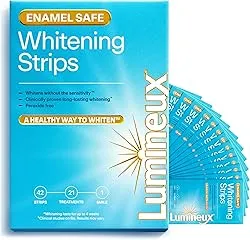
Whitening strips are thin, flexible pieces of plastic coated with peroxide-based gel usually hydrogen peroxide or carbamide peroxide. You place them directly onto your teeth, typically for 30 minutes a day over a week or two, and the peroxide works to break down surface stains on enamel. Simple in theory, but in practice, it’s a little trickier.
First, whitening strips only affect natural tooth enamel. That means any crowns, veneers, or bonding won’t lighten. I’ve had patients excited about “all teeth whitening” only to see a patchwork smile afterward lighter natural teeth next to darker restorations.
Second, improper use can backfire. Leaving strips on too long, using them too frequently, or scrubbing your teeth afterward can lead to sensitivity, enamel erosion, or gum irritation. I’ve seen patients come in with red, sore gums because they tried to “speed up” the process.
Finally, whitening strips aren’t all the same. Some are stronger, some weaker, and some claim to whiten “several shades” faster than others. In reality, most over-the-counter strips lighten teeth by one or two shades anything beyond that often requires professional guidance.
Bottom line: whitening strips work, but only for natural enamel, and only if used correctly. Anything beyond that braces, veneers, crowns, or bonding requires a closer look.
Whitening Strips with Braces
Here’s the tricky part: if you have braces, whitening strips braces safe usage becomes more complicated than just slapping them on. Braces physically block parts of your teeth, meaning whitening gel won’t reach enamel under brackets or around wires. The result? Patchy, uneven whitening that looks worse than before.
In my experience, patients using strips with braces often see two issues. First, only the exposed tooth surfaces lighten. Second, prolonged use can irritate soft tissue around brackets. I’ve seen gums become inflamed and even minor enamel damage around brackets when people try to overcompensate with stronger strips.
Timing is key. If you’re early in orthodontic treatment, I usually recommend waiting until after brackets come off. That way, your teeth are fully exposed and can whiten evenly. However, some patients insist on whitening mid-treatment. In those cases, I suggest professional options like in-office bleaching with a custom tray designed around braces it’s safer and more controlled than strips.
A practical tip I always share: focus on keeping teeth clean during braces treatment. Brushing thoroughly, flossing, and using fluoride rinses will prevent staining and keep teeth looking their brightest until the braces come off. You can also talk to your orthodontist about touch-up whitening after your braces are removed.
In short, whitening strips with braces are technically possible but rarely safe for even results. Patience usually pays off, and trying to rush it often creates more problems than solutions.
Whitening Strips & Veneers
Veneers are thin shells of porcelain or composite that sit over the front of your teeth. Here’s the reality: whitening strips veneers crowns bonding users need to know strips do not whiten veneers. I’ve seen countless patients excited about whitening, only to reveal that their natural teeth lightened while veneers stayed the same color. The result? A noticeable mismatch that often requires replacing veneers to fix.
Another issue is sensitivity and surface damage. While porcelain itself is resistant, older veneers can have micro-etching or tiny cracks. Aggressive whitening can stress these areas, sometimes leading to chipping or roughened surfaces. I’ve rarely seen catastrophic failure, but small chips or dulling can happen if strips are overused.
A practical approach: if you have veneers and want brighter teeth, whitening strips can be applied carefully to natural teeth only, but expect a mismatch. Alternatively, professional advice often involves custom trays with controlled bleaching agents or even replacing veneers after whitening natural teeth yes, it’s more expensive, but the results are consistent.
I also remind patients that veneers naturally resist stains better than enamel. Coffee, wine, or smoking affects natural teeth more, so even if veneers don’t whiten, maintaining them is easier than dealing with enamel stains.
So the takeaway? Whitening strips and veneers are mostly safe in terms of not causing catastrophic damage, but they won’t change the veneer color, and mismatched teeth are the most common real-world frustration I see.
Whitening Strips & Dental Crowns
Dental crowns especially porcelain or porcelain-fused-to-metal crowns behave like veneers when it comes to whitening: they simply don’t respond to peroxide. I can’t tell you how many patients have been disappointed after using whitening strips on crowns only to see the surrounding natural teeth get lighter while the crown remains the same shade.
Common mistakes I see include overusing strips to “match” a crown or trying to physically scrub a crown surface. Both can damage the enamel of surrounding teeth or irritate gums, but the crown itself won’t budge in color. Another problem is assuming all crowns are created equal; older crowns may discolor at the margin, and whitening strips won’t fix that.
Practical advice: if your crown is noticeably darker than your natural teeth, professional options include crown replacement or selective whitening of natural teeth before placing new crowns. I’ve also used in-office treatments that allow precise control of whitening near crowns, minimizing the risk of uneven color.
At-home strips are safe for crowns in the sense that they rarely harm them porcelain is very durable but expecting whitening strips to match a crown is a setup for disappointment. A hands-on, realistic approach is key: protect your gums, avoid overuse, and accept that crowns won’t change color.
Whitening Strips & Composite Bonding
Composite bonding behaves differently than enamel or porcelain. Unlike natural teeth, bonding materials are resin-based, which means they generally don’t respond to whitening chemicals. I’ve had patients who’ve tried whitening strips only to see their natural teeth get brighter, leaving bonded areas darker very frustrating if it’s on front teeth.
Another real-world issue: peroxide can slightly roughen or dull the surface of composite over time. I’ve seen bonded edges look chalky or uneven after repeated at-home whitening attempts. Unlike enamel, composite doesn’t “self-polish” with brushing. Once the surface dulls, it usually needs a professional polish to restore shine.
Practical guidance: if you have bonding, strips can be used on natural teeth, but don’t expect bonding to whiten. After whitening, I often recommend having a dentist touch up the bonding to match your new tooth color it’s quick, painless, and looks natural.
A common mistake I see is trying to overcompensate by whitening aggressively to match bonding. That can cause sensitivity and gum irritation, with little effect on the composite. The better approach? Accept that bonding is a stable color and plan touch-ups professionally.
In my experience, this combination of careful at-home whitening for enamel and professional bonding touch-ups gives the most consistent, predictable results.
Safety Tips for Whitening Strips
Even for natural teeth, whitening strips can go wrong. Here’s what I tell patients:
-
Follow instructions precisely
overuse is the fastest way to sensitivity and gum irritation. I’ve seen patients leave strips on overnight; that’s a guaranteed problem.
-
Avoid contact with gums
peroxide can burn soft tissue. Small adjustments or trimming strips often help.
-
Use fluoride toothpaste
it strengthens enamel and reduces sensitivity.
-
Don’t scrub afterward
aggressive brushing after strips can erode enamel.
-
Stop if you experience pain
some temporary tingling is normal, but sharp pain is a warning sign.
When in doubt, consult your dentist. I’ve had patients come in thinking strips ruined veneers or bonding often, minor issues are reversible, but sometimes a professional touch is needed.
Remember, whitening strips are safe teeth whitening restorations only for natural enamel. If you have braces, veneers, crowns, or bonding, extra caution and realistic expectations are essential.
Alternatives to At-Home Whitening Strips
If whitening strips aren’t giving you safe or even results, there are practical alternatives I use daily in my practice:
-
Professional in-office whitening
Fast, controlled, and precise. Can protect restorations while brightening natural teeth.
-
Custom take-home trays:
Dentist-made trays fit perfectly, delivering peroxide safely and evenly.
-
Polishing and microabrasion
For surface stains, sometimes a professional cleaning is enough to dramatically brighten your smile.
-
Bonding or veneer touch-ups
After whitening natural teeth, bonded or veneered areas can be adjusted to match, giving a uniform result.
-
Lifestyle tweaks
Avoid staining foods, coffee, tea, and smoking. I’ve seen patients maintain a brighter smile just by adjusting daily habits.
In short, if at-home strips are risky or ineffective, professional solutions exist. They may cost more, but the results are predictable, safe, and worth it especially if you have restorations or braces.
You Might Be Interested In
- Are Crest Teeth Whitening Strips Safe?
- Whitening Strips vs Dentist Whitening UK: Results, Cost & Safety
- Can You Use Teeth Whitening Strips While Pregnant?
- How Often Should You Use Whitening Strips? UK-Friendly Schedules
- Superdrug vs Amazon Whitening Strips: Which Are Worth It in 2026
Conclusion
Whitening strips can be effective, but their safety and results depend heavily on your dental situation. Natural teeth respond well, but braces, veneers, crowns, and bonding behave differently. I’ve seen patchy whitening, mismatched shades, and sensitivity issues from improper use.
The key takeaways: use strips only on natural enamel, follow instructions carefully, and manage expectations. If you have restorations, consider professional options or post-whitening touch-ups to achieve a consistent smile. Braces require patience, and bonding often needs a dentist’s finishing touch.
Ultimately, safe teeth whitening restorations require knowledge, realistic goals, and sometimes a professional’s guidance. A bright, even smile is achievable but it’s best done thoughtfully, not hastily.
FAQs about Do Whitening Strips Damage Enamel? What UK Dentists Say
Are whitening strips safe to use with braces?
Whitening strips with braces are tricky. The main problem is that the strips can’t reach the enamel hidden under brackets and wires, which means only parts of your teeth get lighter. In my experience, this almost always leads to uneven results, which can be more noticeable and frustrating than leaving your teeth as they are. Beyond uneven color, aggressive or prolonged use of strips can irritate your gums around the brackets, leading to soreness and inflammation.
If you want to whiten while wearing braces, the safest approach is usually to wait until the braces come off. If you really want some whitening in the meantime, professional solutions like custom trays made to fit around braces can work. These allow controlled application of the whitening gel and reduce the risk of uneven results or gum irritation. Patience usually pays off, and trying to rush it with over-the-counter strips often creates more problems than solutions.
Will whitening strips lighten veneers or crowns?
No, whitening strips won’t lighten veneers or crowns. Porcelain or resin-based materials are not affected by peroxide, so if you use strips expecting them to match your natural teeth, you’ll almost certainly end up with mismatched shades. I’ve seen this happen countless times: patients brighten their natural teeth but find their veneers or crowns staying the same color, which can be frustrating and sometimes require costly replacement.
The practical takeaway is to use strips only on natural enamel. If your dental work is noticeably darker than your teeth, professional whitening followed by restoration adjustments or replacements is usually the safest and most predictable option. Veneers and crowns are generally very durable, so strips won’t damage them directly, but expecting them to whiten is a common source of disappointment in real-world practice.
Can composite bonding be whitened with strips?
Composite bonding behaves very differently than natural teeth. Bonding is resin-based and does not respond to peroxide like enamel does. In practice, using whitening strips can sometimes slightly dull or roughen the surface of bonded areas rather than lighten them, leaving your teeth looking uneven. I’ve often had to polish or touch up bonding after patients tried whitening on their own.
The best approach is to focus on whitening natural teeth first, then have your dentist adjust the bonding to match. This ensures a uniform appearance without risking unnecessary sensitivity or uneven results. Trying to aggressively whiten bonded teeth with strips is rarely effective and can lead to frustration, so a professional touch is usually the quickest path to a bright, consistent smile.
What are common mistakes with whitening strips?
In my experience, the most frequent mistakes are overuse, leaving strips on longer than recommended, brushing too hard afterward, or expecting them to lighten restorations like veneers, crowns, or bonding. Overuse can cause sensitivity, gum irritation, and even minor enamel damage. Patients often assume “more is better,” but with whitening strips, that’s almost never true.
Another common mistake is ignoring timing and placement. People sometimes place strips incorrectly, let them slide onto the gums, or skip cleaning before applying them. All of these actions reduce effectiveness and increase the risk of irritation. Real-world results almost always improve when patients follow instructions carefully and have realistic expectations about which teeth will actually whiten.
How can I whiten safely if I have dental work?
If you have braces, veneers, crowns, or bonding, the key to safe whitening is understanding what will and won’t respond to peroxide. Strips are fine for natural teeth but won’t affect most restorations, so combining at-home whitening with professional guidance is often the best strategy. Custom trays, in-office whitening, or selective touch-ups on restorations after whitening natural teeth produce the most even, safe results.
Another tip from years of practice: focus on maintenance. Keep your enamel clean with regular brushing, flossing, and professional cleanings. Avoid staining foods and beverages, and consider touch-ups professionally rather than trying to force at-home strips to do the impossible. This approach keeps your smile bright while protecting dental work and minimizing frustration.
