

If you’ve ever stared at a packet of whitening strips wondering, “How long do I leave these on without wrecking my teeth?”, you’re not alone. Timing is one of the biggest mistakes I see people make with at-home whitening. Leave them on too short, and you’re wasting your effort. How Long Do You Leave Teeth Whitening Strips On?
Leave them on too long, and you risk sensitivity, irritation, or uneven results. In my experience, knowing the right duration isn’t just about following the instructions it’s about understanding how whitening strips actually work and how your teeth react in real life.
In this guide, I’ll break down everything I’ve learned from years of testing and observing whitening strips in action: how they remove stains, the ideal duration, step-by-step usage, common mistakes, safety tips, and real-world advice for maintaining your results. By the end, you’ll know exactly how long to wear your strips for maximum effect without hurting your teeth or gums.
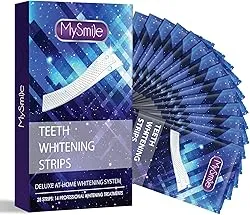
How Whitening Strips Work
Let’s be honest: whitening strips aren’t magic. They rely on chemical reactions to do the heavy lifting. The main active ingredient is usually hydrogen peroxide or carbamide peroxide, which penetrates your enamel and breaks down stain molecules. That’s why surface stains like coffee or tea respond faster, while deeper, intrinsic stains may need repeated treatments.
In my experience, the biggest misconception is that more contact time equals whiter teeth. It doesn’t. The peroxide works within a certain window, and once that reaction is done, leaving the strip on longer doesn’t make your teeth glow brighter it just increases sensitivity or irritates gums.
Strips are thin and flexible, designed to adhere to the tooth surface so the whitening gel stays in contact with your enamel. But in reality, edges lift, saliva dilutes the gel, and teeth aren’t perfectly uniform. That’s why following a recommended duration is only part of the story you also need to pay attention to comfort, fit, and how your teeth feel during and after treatment.
Recommended Time to Leave Strips On
Most brands suggest 20–30 minutes per application, with slight variations depending on strength and formulation. For example, a “gentle” daily strip might be safe for 30 minutes, while a high-strength professional-style strip could be limited to 10–15 minutes.
Here’s the rule of thumb I follow in real-world practice:
-
Stick to the instructions on the box
They’re calibrated for effectiveness and safety.
-
Don’t double up on time
thinking it’ll accelerate results. I’ve seen people leave strips on for an hour or more and all it did was irritate their gums and make teeth sensitive.
-
Pay attention to your teeth
If your enamel starts tingling sharply, remove the strip. Mild tingling is normal; sharp pain is not.
A common mistake is cutting corners by leaving strips on overnight. Trust me, it’s not worth it. You’ll end up with uneven whitening and likely some gum discomfort. Real results come from consistent, timed applications.
How Often to Apply
Most over-the-counter whitening strips recommend once daily for 10–14 days. In real life, here’s what I’ve observed:
-
Daily application works best for noticeable results within two weeks.
-
Skipping days slows progress but doesn’t ruin results.
-
Some stronger strips allow every other day usage especially if you have sensitive teeth.
Expect gradual improvement. Whitening isn’t instant. In my experience, the first few days make subtle differences, but by day 7–10, stains start visibly lifting. Patience pays off. Overdoing it doesn’t speed things up it just risks sensitivity and uneven color.
Step-by-Step Usage Instructions
Here’s a real-world, hands-on approach:
-
Brush and floss first
Clean teeth ensure the strip adheres and works evenly. Avoid toothpaste with high abrasives right before, as it can irritate gums.
-
Dry your teeth lightly
Dab with a tissue to remove excess saliva. Strips stick better to dry enamel.
-
Apply the strip carefully
Align with the gum line, press down gently, and fold the excess behind teeth. Don’t stretch or tear the strip.
-
Time it properly
Set a timer based on your brand’s instructions. Check in halfway to ensure it hasn’t lifted.
-
Remove gently
Peel off slowly to avoid pulling enamel micro-particles or irritating gums.
-
Rinse or brush lightly
Wash off leftover gel to avoid prolonged contact, which can cause sensitivity.
Common mistakes I’ve seen
-
Leaving strips on longer than recommended.
-
Not drying teeth first, causing strips to slide and leave uneven whitening.
-
Ignoring gum irritation until it becomes painful.
Safety & Risks
Teeth whitening strips are generally safe if used as directed, but here’s what I’ve observed in practice:
-
Sensitivity
Tingling or mild discomfort is common, especially with peroxide-based strips. Usually subsides after a few hours.
-
Gum irritation
Often from gel contact or overextended wear. Avoid by trimming edges or adjusting placement.
-
Enamel damage
Rare with OTC strips, but overuse can wear down enamel. Stick to recommended duration and frequency.
-
Uneven results
Happens when strips don’t fit teeth perfectly or are left on inconsistently.
If pain persists or you notice white spots, stop treatment and consult a dentist.
Factors That Influence Timing
Timing isn’t one-size-fits-all. I’ve found it depends on:
-
Tooth sensitivity
If you have sensitive enamel, reduce wear time slightly or choose a gentle formula.
-
Stain type
Heavy coffee, tea, or tobacco stains may need more consistent use, but still within safe timing.
-
Strip strength
High-concentration strips require shorter duration. Follow manufacturer recommendations strictly.
-
Gum anatomy
Uneven gums or small teeth may cause gel to pool adjust placement to protect soft tissue.
Aftercare Tips
To keep teeth bright after using strips:
-
Avoid staining foods and drinks for at least 24 hours (coffee, red wine, curry).
-
Brush twice daily with a soft-bristled toothbrush.
-
Use a whitening toothpaste 2–3 times per week to maintain results.
-
Regular dental cleanings enhance and prolong whitening effects.
In my experience, people who follow these simple steps see long-lasting results without constant reapplication.
You Might Be Interested In
- Are Whitening Strips Bad For Your Teeth?
- White Spots After Whitening Strips: Causes & Fixes
- How Often Can You Whiten Your Teeth With Strips?
- Are Teeth Whitening Strips Legal in the UK?
- Can You Use Teeth Whitening Strips While Pregnant?
Conclusion
So, how long do you leave teeth whitening strips on? Follow the instructions, pay attention to your teeth, and resist the urge to overdo it.
In my experience, sticking to the recommended 20–30 minutes per session, once daily, yields the best balance of whitening and safety.
Watch for sensitivity, apply consistently, and maintain your results with proper aftercare. Done right, whitening strips can give you noticeably brighter teeth without drama just patience, timing, and a little care.
FAQs
Can I leave strips on longer for faster results?
Many people think leaving whitening strips on longer will speed up the whitening process, but in my experience, that’s a fast track to sensitivity and gum irritation. The peroxide in the strips does most of its work within the recommended time frame usually 20–30 minutes for OTC products.
Once that chemical reaction is complete, extra time doesn’t make teeth any whiter; it just prolongs contact with enamel and soft tissue, increasing the risk of discomfort. I’ve seen people leave strips on an hour or more thinking it will double the effect, only to end up with sharp tingling, red gums, and patchy results.
The best approach is to follow the instructions, set a timer, and remove the strips promptly. If you want stronger results, stick to consistent daily applications or consider higher-strength formulas designed for shorter wear times rather than overextending a standard strip. Patience and proper timing almost always produce better outcomes than pushing your luck with extra minutes.
What if the strip doesn’t fit my teeth perfectly?
Not all strips fit perfectly straight across your teeth, especially if you have smaller teeth, uneven gum lines, or crooked teeth. In real-world use, I’ve found that trimming the strip slightly with clean scissors or carefully folding the edges can make a huge difference. This helps prevent gel from pooling on your gums, which is a common cause of irritation, and ensures the whitening agent is evenly distributed across each tooth.
If you simply press the strip onto misaligned teeth without adjustment, you might end up with uneven whitening some teeth brighter than others because the gel doesn’t contact the enamel uniformly.
Taking a little extra time to adjust placement might feel tedious, but it saves you from uneven results and discomfort later on. In my experience, people who tweak the fit carefully see noticeably smoother and more uniform whitening.
How soon will I see results?
Results vary depending on the type and severity of stains, as well as the strength of the strips you’re using. In my experience, most people notice subtle changes in just 2–3 days teeth may appear slightly brighter or stains less noticeable. By the end of the first week, the difference usually becomes obvious, and by day 10–14, many people see a full improvement consistent with the advertised results.
It’s important to remember that whitening is gradual, especially with stubborn stains like coffee, tea, or tobacco. I’ve seen people get frustrated and think strips aren’t working after one or two uses, only to be pleasantly surprised by visible results a week later. Consistency matters more than rushing the process. Stick to the daily schedule and be patient the results are real and noticeable if you give the strips time to do their job.
Is daily use safe?
For most over-the-counter whitening strips, daily use for the recommended treatment period usually 10–14 days is perfectly safe. In my experience, this is the sweet spot for achieving noticeable results without causing excessive sensitivity or enamel wear. However, not everyone’s teeth respond the same way. People with naturally sensitive teeth or enamel erosion may find that every-other-day application is gentler and reduces discomfort.
It’s also worth noting that the strip’s strength matters. Stronger professional-style strips may require less frequent use, while milder daily strips are designed to be applied every day. The key is to listen to your teeth: mild tingling or short-lived sensitivity is normal, but sharp pain or persistent discomfort is a sign to slow down or switch to a gentler product. Safe, consistent use always beats aggressive, impatient overuse.
Can whitening strips damage enamel?
Whitening strips are formulated to be safe for enamel when used correctly. In my experience, enamel damage is rare with over-the-counter strips, but it can happen if people overuse them, leave them on too long, or apply them inconsistently. The peroxide works by breaking down stains, not by stripping enamel, so sticking to the recommended duration and frequency is crucial to avoid problems.
That said, sensitivity is common, and in some cases, people with very thin enamel or pre-existing dental issues may notice temporary discomfort or slight irritation. I’ve learned that paying attention to your teeth, using a gentle formula if needed, and following proper aftercare like rinsing thoroughly and avoiding staining foods immediately after treatment keeps enamel healthy while still achieving bright, even results. Overdoing it rarely leads to whiter teeth and often leads to trouble, so moderation is the best strategy.
