

Your wedding day is one of the few times in life when every photograph, every smile, and every glance matters. And let’s be honest: nobody wants to be thinking, “I wish my teeth were whiter” while holding the bouquet.
That’s where whitening strips UK come in they’re affordable, accessible, and, if used correctly, genuinely effective. Whitening Strips Before a Wedding: A 14-Day UK Plan That Works
I’ve tried most at-home options: trays, gels, even the fancy LED pens that promise to make you look like a toothpaste ad. The truth is, whitening strips are the unsung hero for last-minute, realistic whitening. They’re simple, you can do them in front of the telly, and with a little planning, you can see noticeable results in just two weeks.
But here’s the thing: people approach them all wrong. They either overdo it and end up with sensitive teeth, or underdo it and get no noticeable difference at all. What most guides won’t tell you is that timing, preparation, and understanding your teeth’s quirks matter just as much as the product itself.
In this post, I’m going to break down exactly how whitening strips UK work, how to use them safely in a 14-day wedding plan, and what mistakes to avoid. I’ll also cover what to expect realistically and how to maintain your smile after the big day. Consider this your hands-on guide from someone who’s been there because nothing looks worse than a bride or groom hiding their teeth in photos.
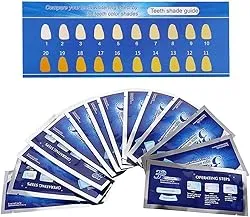
How Whitening Strips Work
Here’s the science bit, but in plain English: most whitening strips use a form of peroxide usually hydrogen peroxide or carbamide peroxide. In simple terms, peroxide penetrates the enamel and reacts with the molecules that cause stains. Think of it as a gentle chemical scrubbing at a microscopic level. It doesn’t physically bleach your teeth; it changes the colour of the stains inside the enamel so your teeth reflect more light and appear brighter.
But here’s the real-world part: whitening strips don’t work miracles. I’ve seen people expect a dramatic “movie-star white” in a week, and that rarely happens. Your natural tooth colour, previous dental work, and the type of stains you have coffee, tea, red wine, smoking make a big difference. Yellowish stains respond better than greyish ones, and whitening strips generally won’t change the colour of crowns, veneers, or fillings.
In my experience, you’re looking at 1–3 shades lighter over a couple of weeks if you stick to the instructions. Anything beyond that, and you’re better off speaking to a dentist about professional options. The key is consistency: even if it seems slow at first, daily application builds up the effect safely.
UK Legal and Product Context
If you’re buying whitening strips in the UK, there are a few legal realities to know. Over-the-counter products are limited to a maximum of 6% hydrogen peroxide (or 16% carbamide peroxide) by UK law. This means you won’t find the super-strong strips sold online from overseas unless you’re willing to break the rules (and risk tooth damage).
Popular whitening strips UK brands you’ll actually see on shelves include Crest 3D White, Pearl Drops, and some Boots-branded strips. These products are safe when used as directed, but that “as directed” part is crucial. Overuse won’t speed things up it’ll just lead to sensitivity or uneven whitening.
A real tip: check the fit. UK strips tend to be smaller than US versions, so make sure they actually cover the front of your teeth. Crooked teeth or gaps might need trimming or careful positioning. I’ve seen people stick them on haphazardly, and the result is patchy whitening. Not great for wedding photos.
Another thing: store-bought strips are more effective when teeth are clean. Brush gently before applying, but don’t brush aggressively right after, because your enamel is temporarily more vulnerable. And keep in mind that crowns and veneers won’t whiten if you have a front tooth restoration, plan accordingly so your natural teeth don’t end up brighter than your fake ones.
Lastly, always read the packaging. Some strips are 30-minute treatments; some are 1-hour treatments. Don’t improvise with timing longer doesn’t equal better results.
The 14-Day Wedding Whitening Plan
Here’s where I get practical. I’ve tested variations of this myself and with friends, and this 14-day plan works reliably. I’ll break it down day by day.
Days 1–3: Preparation
Set your teeth up for maximum results.
-
Dental Check
If you have any untreated cavities, gum issues, or sensitive areas, get them sorted first. Whitening over problem spots can hurt trust me, I’ve learned the hard way.
-
Deep Clean
A professional cleaning isn’t mandatory, but a good brushing and flossing routine makes a difference. Plaque and tartar block the whitening agent, reducing effectiveness.
-
Enamel Prep
Skip whitening toothpaste for these first few days they can be abrasive. Instead, gently brush with a soft-bristled toothbrush. You want your enamel clean, not scratched.
-
Diet Adjustments
Avoid heavy staining foods black coffee, red wine, curry if you can. Even two weeks before the wedding, every little helps.
Days 4–10: Daily Whitening
Apply strips consistently, safely, and effectively.
-
Timing
Most UK strips recommend 30 minutes. I’ve found the sweet spot is 30–40 minutes, no more. Any longer and your teeth can get sensitive.
-
Application
Align strips carefully on the front of your teeth. Press down to make sure they adhere, especially at the edges. Avoid overlapping onto gums; it’ll burn.
-
Consistency
Do it once a day, ideally at the same time. I prefer evening after brushing, so you’re not eating or drinking right after.
-
Hydration
Rinse with water afterward. Don’t immediately have acidic foods or drinks they reduce the effect and increase sensitivity.
-
Observation
Track changes in a mirror. If you notice uneven whitening, you can reposition strips for the next day.
Tips I’ve learned the hard way:
-
Trim strips if they’re too long. Crooked teeth can hide parts of the enamel if strips are misaligned.
-
Avoid touching the gel with fingers it weakens the chemical.
-
If your teeth start tingling too much, shorten the session by 5–10 minutes rather than skipping entirely.
Days 11–14: Final Touches
Perfect your smile and minimize sensitivity.
-
Stick to a gentle routine. These last days are about finishing the job, not pushing harder.
-
Consider a second shorter strip session if some areas need a touch-up. I’ve seen minor improvements with just 20–25 minutes on the last two days.
-
Avoid staining foods like coffee and red wine entirely. Even a single night of indulgence can dull two weeks of effort.
-
Keep lips moisturized dry lips make your teeth look less white in photos.
By the end of day 14, your teeth should be brighter and camera-ready. The difference might not be extreme, but for wedding photos, subtle improvement is often enough to boost confidence without looking unnatural.
Common Mistakes to Avoid
-
Overusing Strips
More is not better. I’ve seen friends leave strips on for an hour thinking they’d get instant results. Result: sore gums and sensitive teeth. Stick to recommended times.
-
Skipping Preparation
Dirty or plaque-covered teeth reduce effectiveness. Don’t underestimate this step.
-
Ignoring Gaps or Crooked Teeth
If strips don’t cover all surfaces, whitening will be uneven. Trim or adjust placement.
-
Late Start
If you leave whitening to the day before, you’re asking for patchy results. Two weeks is enough for subtle improvement, not a drastic change.
-
Forgetting Maintenance
After the final strip, eating staining foods or drinking lots of coffee can reverse your results quickly.
Sensitivity and Safety Tips
Whitening strips are generally safe, but sensitivity is the most common complaint. Here’s what I’ve learned:
-
If teeth tingle
Shorten future sessions or skip a day. Sensitivity often decreases after a few applications.
-
For crowns and veneers
Strips won’t change the colour of restorations. If they stick too long on crowns, you may get gum irritation without any whitening benefit.
-
Gum protection
Press strips carefully. I sometimes put a tiny dab of Vaseline on the gums to reduce gel contact.
-
Children & pregnant people
Avoid use. UK guidelines recommend these groups skip peroxide treatments.
Remember: pain is a warning sign, not a badge of honour. Stop if it becomes uncomfortable, and resume with caution.
Expected Results
In my experience, most people see 1–3 shades lighter in two weeks. That’s noticeable in photos but not artificial-looking. Yellowish stains improve the most; greyish stains, tetracycline marks, and restorations see little change.
Don’t expect Hollywood white overnight. It’s subtle but real. Even a moderate improvement can make you smile more confidently in wedding photos, which is ultimately the goal.
Maintaining Your Wedding Smile
-
Daily hygiene
Brush twice, floss once. Consider whitening toothpaste once or twice a week to maintain.
-
Watch stains
Coffee, tea, and red wine will reverse your progress if overdone. Rinse with water after.
-
Touch-ups
Keep strips handy for a single night before photos or events. A 15–20 minute session is enough.
-
Hydration
Dry lips and dehydrated mouths make teeth look dull. Drink water and keep lips moisturized.
You Might Be Interested In
- PAP vs Peroxide Whitening Strips: What Works Best Under UK Rules?
- What Happens If You Leave Teeth Whitening Strips On Too Long?
- Do Whitening Strips Damage Teeth?
- How Often Can You Use Crest Teeth Whitening Strips?
- What Side Of Whitening Strip Goes On Teeth?
Conclusion
Whitening strips UK can genuinely help you achieve a confident, wedding-ready smile if you plan carefully, follow a schedule, and respect your teeth’s limits. Two weeks of consistent, thoughtful use usually produces a natural, brighter smile that photographs beautifully. Avoid the common mistakes: don’t overuse, don’t skip prep, and manage sensitivity. Remember, crowns and veneers won’t change colour, so plan accordingly.
Ultimately, it’s about feeling good in the moments that matter. A slight improvement in your natural shade can make you smile more freely, laugh more confidently, and enjoy your big day without worrying about photos. Stick to the plan, be patient, and enjoy the process your wedding smile will thank you.
FAQs about Whitening Strips Before a Wedding: A 14-Day UK Plan That Works
Can whitening strips damage enamel?
When used as directed, whitening strips are very unlikely to cause permanent enamel damage. The peroxide concentration in UK-approved strips is moderate and designed for safe daily use. In my experience, the main issue people encounter is temporary sensitivity or minor gum irritation, especially if the strips are left on longer than recommended. The enamel itself remains intact, but overdoing it can make teeth feel slightly softer or more sensitive to hot and cold foods for a short period. The key is to follow the timing instructions carefully and avoid adding extra “bonus sessions” thinking it will speed up whitening.
If you already have worn enamel or dental issues, check with your dentist first. Starting with healthy, clean teeth ensures the strips work effectively without risk. A short pause and a day or two off between treatments can also help your teeth recover if you notice any tingling or discomfort.
Can I use strips on crowns or veneers?
Whitening strips will not change the colour of crowns, veneers, or fillings. In my experience, this is one of the most overlooked issues. People often assume that their restored teeth will lighten along with natural enamel, only to end up with a mismatch in shade. If you have front restorations, it’s better to whiten your natural teeth first and, if necessary, replace or adjust crowns or veneers afterward to match the new shade.
Another practical tip: strips can sometimes irritate the gum line around restorations because the gel can pool and burn sensitive tissue. I usually apply a tiny dab of Vaseline on the gums near veneers or crowns to avoid this. Knowing where your natural teeth end and restorations begin makes a big difference in getting an even, photo-ready smile.
What if I have sensitive teeth?
Sensitive teeth are very common with whitening strips, especially if you already experience discomfort with cold drinks or brushing. In my experience, the best approach is to start with shorter sessions 20–25 minutes instead of the full 30–40 minutes and gradually increase if your teeth tolerate it. Skipping a day between treatments can also help your enamel recover and reduce discomfort.
Using a toothpaste for sensitive teeth during the whitening period can make a noticeable difference. Avoid highly acidic foods and drinks while whitening, as they can exacerbate sensitivity. If pain persists or is sharp rather than mild tingling, it’s worth pausing and speaking to your dentist before continuing. The goal is a brighter smile without making your teeth sore for your wedding day.
Can I start late, like a week before the wedding?
Starting just a week before the wedding can still yield some results, but it’s riskier. In my experience, a single week usually produces only minor brightening, and rushing the process often leads people to overuse strips or extend the application time, which increases sensitivity and irritation. Two weeks is the sweet spot for noticeable improvement while keeping your teeth comfortable.
If you have to start late, focus on consistency rather than intensity. Stick to the recommended daily application time and avoid “double sessions.” You can also complement the strips with careful brushing and avoiding staining foods and drinks. It’s better to have a subtle, even improvement than a quick, uneven brightening that leaves your teeth sore on your big day.
Will my teeth look unnatural?
One of the biggest worries I hear is that whitening strips will make teeth look unnaturally white or fake. In my experience, UK-approved strips produce a moderate, realistic effect usually 1–3 shades lighter over two weeks. The result is noticeable in photos and close-up smiles but won’t give you the “Hollywood sparkle” unless you’re aiming for professional dental whitening.
The key is moderation. Overuse, leaving strips on too long, or combining multiple products can tip teeth into an artificial-looking shade. Sticking to the instructions, being patient, and accepting subtle improvements produces the most natural, confident smile. People often notice the difference in how vibrant your teeth look without ever realizing you’ve whitened them a perfect approach for wedding photos.
