

Teenagers today are more aware of their appearance than ever before. Social media, school life, and growing confidence often make teens care deeply about their smiles. This has led many parents and teens to ask an important question: can teens safely use Whitening Strips
In the UK, teeth whitening is not just a cosmetic choice. It is also a legal and health matter. While Whitening Strips are widely available online and in shops, their use by teenagers is not always safe or allowed. Many products claim quick results, but they may hide risks for young teeth that are still developing.
This comprehensive guide explains everything parents and teens need to know about the Best Teeth Whitening Strips Uk, including NONITON Teeth Whitening Strips. It explores UK rules, safety concerns, dental risks, and safer alternatives, helping you understand whether whitening strips are suitable for teens and what better options exist.
Why Teen Teeth Are More Sensitive
Teenage teeth are different from adult teeth in several ways. During the teenage years, teeth and gums are still maturing. The enamel layer, which protects teeth, may not be fully hardened. This makes teeth more vulnerable to damage.
Teens also experience hormonal changes that affect gum health. Gums may be more sensitive, inflamed, or prone to irritation. Adding whitening chemicals to this environment can increase discomfort or lead to long-term problems.
Another key issue is pulp size. The inner part of the tooth, which contains nerves, is larger in teens. Whitening agents can penetrate more easily, increasing the risk of pain and sensitivity.
Because of these factors, teen dental whitening safety is a serious concern. What works for adults may not be safe for younger users.
What Are Whitening Strips and How Do They Work?
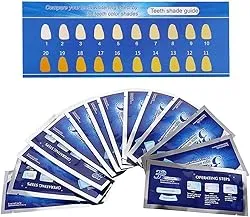
Whitening Strips are thin, flexible strips coated with a whitening gel. The gel usually contains peroxide-based ingredients that break down stains on tooth enamel. Users apply the strips directly to their teeth for a set time, often daily for one to two weeks.
These products are popular because they are affordable and easy to use at home. Many teens see them as a quick solution for a brighter smile without visiting a dentist.
However, the same chemicals that remove stains can also weaken enamel. If used incorrectly or too early, Whitening Strips can cause more harm than good, especially for teenagers.
UK Laws on Teeth Whitening for Teens
Legal Age Limit in the UK
In the UK, teeth whitening is regulated by law. According to dental regulations, teeth whitening treatments containing more than a very small amount of peroxide are not legally allowed for anyone under 18, unless carried out by a dental professional for medical reasons.
This means most over-the-counter Whitening Strips marketed for cosmetic whitening are not intended for teens. Even if the product is easy to buy online, that does not mean it is legally safe or appropriate.
The teeth whitening age limit UK rules exist to protect young people from irreversible dental damage.
Why the Law Is So Strict
The law focuses on safety, not appearance. Whitening chemicals can permanently damage enamel and irritate gums. In teens, this damage may affect oral health for life.
Dentists are trained to assess whether whitening is necessary or safe. Without professional supervision, teens may misuse Whitening Strips, apply them too often, or leave them on too long.
These risks explain why UK regulations are firm when it comes to teen teeth whitening UK policies.
Are Whitening Strips Safe for Teens?
Short Answer: Usually No
Many parents ask, are whitening strips safe for teens? In most cases, the answer is no. While some strips contain lower levels of whitening agents, they can still pose risks to young teeth.
Teenagers may not follow instructions carefully. Overuse is common, especially when results are not immediate. This increases the chance of enamel erosion, tooth sensitivity, and gum burns.
Even mild Whitening Strips can create problems if used repeatedly on developing teeth.
Long-Term Risks to Consider
Damage caused during teenage years may not appear immediately. Enamel does not grow back. Once it is worn down, teeth become more sensitive and more likely to decay.
Gum irritation can also lead to long-term inflammation or recession. These issues may require costly dental treatment later in life.
Teen dental whitening safety should always come before cosmetic goals.
Psychological Pressure and Whitening Trends
Teenagers are heavily influenced by online trends. Bright white smiles are often promoted as the beauty standard. This can lead teens to feel insecure about natural tooth colour.
It is important to remember that healthy teeth are not always perfectly white. Natural shades vary from person to person. Many teens have perfectly healthy teeth that simply have a natural tint.
Using Whitening Strips to chase unrealistic beauty standards can harm both dental health and self-esteem.
Parents should talk openly with teens about these pressures and encourage confidence over cosmetic perfection.
Common Side Effects of Whitening Strips in Teens
Tooth Sensitivity
Sensitivity is the most common complaint. Teens may feel sharp pain when eating cold or hot foods. This can last for weeks or longer.
Gum Irritation
Whitening gel can leak onto gums, causing redness, soreness, or burning sensations. Teen gums are especially sensitive to chemical exposure.
Enamel Weakening
Repeated use of Whitening Strips can thin enamel. This makes teeth more vulnerable to cavities and staining in the future.
Uneven Whitening
Teen teeth may whiten unevenly, especially if braces were recently removed. This can make teeth look patchy rather than brighter.
These side effects highlight why whitening strips for teenagers are generally discouraged.
Safer Alternatives to Whitening Strips for Teens
Professional Dental Cleaning
A professional cleaning by a dentist or hygienist is the safest way to improve tooth appearance. It removes surface stains and plaque without damaging enamel.
This option is fully safe for teens and often makes teeth look noticeably brighter.
Whitening Toothpaste
Whitening toothpaste does not bleach teeth. Instead, it gently removes surface stains. It is much safer for teens and suitable for daily use.
Results are subtle but natural, making this a good option for young users.
Good Oral Hygiene Habits
Brushing twice a day, flossing, and using mouthwash can significantly improve tooth colour over time. Many stains come from poor cleaning rather than deep discoloration.
Encouraging healthy habits is better than quick fixes.
Diet Changes
Limiting sugary drinks, fizzy sodas, and dark-coloured foods can prevent new stains. Drinking water after meals also helps wash away staining substances.
These simple steps support long-term dental health.
When Can Teens Consider Whitening?
In most cases, dentists recommend waiting until at least 18 years old before considering whitening treatments. By this age, teeth and gums are more developed and better able to tolerate whitening agents.
If a teen has a medical reason for discoloration, such as trauma or medication effects, a dentist may offer supervised whitening. This is done carefully and legally.
Never start Whitening Strips without dental advice.
How Parents Can Guide Safe Choices
Parents play a key role in protecting teen dental health. Open communication is essential. Teens should feel comfortable discussing appearance concerns without fear of judgment.
Scheduling regular dental checkups helps catch issues early. Dentists can also explain why Whitening Strips may not be suitable and suggest safer options.
Setting realistic expectations about tooth colour helps teens appreciate healthy smiles over artificially white ones.
Myths About Teen Teeth Whitening
Myth: Whitening Is Harmless
Many teens believe whitening is purely cosmetic. In reality, it involves chemical changes to tooth structure.
Myth: If It’s Sold Online, It’s Safe
Online availability does not guarantee safety or legality. Many products bypass UK regulations.
Myth: Everyone Needs White Teeth
Natural teeth come in many shades. White does not always mean healthy.
Understanding these myths helps teens make informed choices.
The Role of Dentists in Teen Whitening Decisions
Dentists are trained to evaluate tooth development, enamel thickness, and gum health. They can determine whether any whitening method is appropriate.
Dentists also educate teens on oral health, helping them avoid damage caused by trends or misinformation.
Professional guidance is the safest path when appearance concerns arise.
Long-Term Impact of Early Whitening
Early use of Whitening Strips can affect dental health for decades. Increased sensitivity, higher cavity risk, and gum issues may follow teens into adulthood.
Preventing damage now protects future smiles. Delaying whitening is often the best decision.
Building Confidence Without Whitening
Confidence does not come from tooth colour alone. Healthy habits, self-care, and positive self-image matter far more.
Encouraging teens to smile freely and focus on health builds lasting confidence.
A healthy smile is always more valuable than a whiter one.
You Might Be Interested In
- How To Use Inopro Teeth Whitening Strips?
- Do Whitening Strips Damage Enamel? What UK Dentists Say
- Whitening Strips vs Dentist Whitening UK: Results, Cost & Safety
- Superdrug vs Amazon Whitening Strips: Which Are Worth It in 2026
- Do Whitening Strips Damage Teeth?
Conclusion
Whitening Strips may seem like an easy solution, but for teenagers in the UK, they come with legal limits and real health risks. Teen teeth are still developing, making them more sensitive to whitening chemicals. UK laws are strict for a reason: to protect young smiles from permanent damage.
In most cases, Whitening Strips are not safe or recommended for teens. Safer alternatives like professional cleaning, whitening toothpaste, and good oral hygiene offer better results without long-term harm. Dentists play a crucial role in guiding safe choices, and parents should support informed decisions.
Waiting until adulthood for whitening treatments is the safest approach. A healthy, natural smile is always worth protecting.
FAQs about Whitening Strips
Can a 16-year-old use Whitening Strips in the UK?
In the UK, a 16-year-old should generally not use Whitening Strips for cosmetic purposes. UK dental regulations clearly state that teeth whitening treatments containing whitening agents above a very low limit are not permitted for anyone under 18 unless prescribed or supervised by a qualified dentist for medical reasons. This rule exists to protect young teeth that are still developing and more vulnerable to chemical damage.
Even though Whitening Strips may be easy to buy online or in shops, availability does not mean they are safe or legally appropriate for teens. Using them without dental guidance can increase the risk of enamel damage, gum irritation, and long-term sensitivity. Parents and teens should always consult a dentist before considering any whitening product.
Are there any Whitening Strips made specifically for teens?
Some products are marketed as gentle or suitable for younger users, but this does not automatically make them safe for teens. Most Whitening Strips, even those labeled as low-strength, still rely on chemical agents that can penetrate tooth enamel. Teen teeth are more sensitive, and these chemicals can still cause harm over time.
There is currently no widely accepted category of Whitening Strips that dentists recommend specifically for teenagers. Dental professionals generally advise avoiding whitening strips for teenagers altogether and choosing safer alternatives until teeth are fully developed.
What is the safest way for teens to improve tooth colour?
The safest way for teens to improve tooth colour is through non-bleaching methods. Professional dental cleaning is highly effective and removes surface stains caused by food, drinks, and plaque buildup. This method brightens teeth naturally without weakening enamel or irritating gums.
In addition, good oral hygiene plays a major role. Brushing twice daily, flossing, and using dentist-approved toothpaste can significantly improve how teeth look over time. These approaches support teen dental whitening safety without exposing young teeth to unnecessary risks.
Can Whitening Strips damage braces-treated teeth?
Yes, Whitening Strips can cause problems for teeth that have recently had braces removed. After orthodontic treatment, teeth may have uneven enamel exposure or slight color differences. Applying whitening strips can lead to patchy or uneven whitening, where some areas become lighter than others.
There is also an increased risk of sensitivity because braces-treated teeth may already be more sensitive. Dentists usually recommend waiting a significant amount of time after braces removal and avoiding Whitening Strips during the teenage years to protect enamel and achieve more even results later in adulthood.
When should teens talk to a dentist about whitening?
Teens should talk to a dentist as soon as they feel concerned or insecure about their tooth colour. A dental professional can explain what is normal for teenage teeth and reassure them that slightly off-white shades are often healthy and natural.
A dentist can also identify whether discoloration is caused by stains, hygiene issues, or medical factors. If whitening is ever appropriate, it will usually be discussed after the age of 18. Early guidance helps teens make safe decisions and prevents misuse of Whitening Strips.
