

Teeth whitening is everywhere these days social media, TV ads, even friends showing off brighter smiles. For teens, that perfect smile can feel almost essential, especially when Instagram filters don’t cut it. Can Teens Use Whitening Strips? UK Rules & Safer Alternatives
But if you’re a parent or a teen curious about whitening strips the questions pile up fast: Are whitening strips safe? Can teens use them in the UK? What are the real risks? And are there smarter, safer alternatives?
I’ve seen first-hand how teeth whitening can go wrong and how it can work safely. In my experience, many teens and parents are surprised at the legal restrictions, the actual chemistry behind whitening strips, and the practical pitfalls of using them at home. This guide isn’t fluff or marketing. I’ll walk you through how whitening strips work, what UK rules say, the risks for teens, and practical alternatives that actually make a difference without wrecking your enamel or causing long-term issues.
By the end, you’ll understand not just what’s allowed, but what’s realistic and safe for teen teeth whitening in the UK. Whether you’re thinking of trying a strip at home or just want your teen’s smile to shine safely, you’ll know exactly what’s going on.
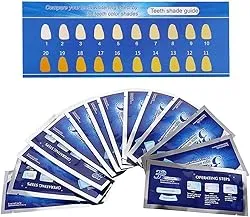
What Are Whitening Strips?
Whitening strips are thin, flexible pieces of plastic or polymer coated with a peroxide-based gel usually hydrogen peroxide or carbamide peroxide. They’re designed to be applied directly to the teeth for a set period, typically 10–30 minutes, once or twice a day for a couple of weeks. The idea is simple: the peroxide penetrates the enamel and breaks down stains, lightening the tooth’s color.
In theory, they sound perfect easy, cheap, and convenient. In practice, things get messier. I’ve seen teens peel a strip off unevenly, leaving streaks, or leave it on too long, which can irritate gums or make teeth feel painfully sensitive. Most people don’t realise that the peroxide doesn’t just target surface stains it also affects the outer enamel layer temporarily, which is why sensitivity happens.
Whitening strips are more effective on extrinsic stains the surface discoloration from tea, coffee, or fizzy drinks. They won’t do much for intrinsic stains caused by genetics, trauma, or medication. And here’s the kicker: results aren’t uniform. Teeth aren’t one flat surface; every ridge and groove absorbs the gel differently. That’s why a teen can end up with a slightly patchy effect if they’re not careful.
From a real-world perspective, whitening strips work best when:
-
You follow the instructions precisely no improvising.
-
Teeth are healthy, with no cavities, cracks, or receding gums.
-
You manage expectations; they lighten stains, they don’t change natural tooth color drastically overnight.
UK Legal Rules on Whitening Products
UK rules around teeth whitening are stricter than many people think. The law is designed to protect minors and prevent untrained people from misusing bleaching products.
Here’s the practical breakdown:
-
Peroxide limits
Over-the-counter whitening products in the UK can contain a maximum of 0.1% hydrogen peroxide. Anything stronger (like the 6–10% strips you might see online) is illegal for general sale. That’s why some teens get excited about buying stronger strips online but those products are not legal in the UK, and more importantly, they’re riskier for developing teeth and gums.
-
Age restrictions
UK law explicitly states that teeth whitening products containing more than 0.1% peroxide cannot be used on anyone under 18. The only exception is under dentist supervision, where a professional can prescribe higher-strength products if deemed safe.
-
Professional oversight
Only dentists or dental hygienists can use or prescribe stronger whitening gels (up to 6–16% peroxide) for patients, including teens. This ensures the treatment is safe, avoids sensitivity problems, and monitors for enamel or gum issues.
-
Advertising rules
Be wary of social media posts promising “instant whitening” or “professional results at home.” Many of these products are illegal or overstate what they can actually do. In practice, that means a teen using an illegal product is taking a gamble on both safety and legality.
In short: UK rules exist for a reason. They’re designed to protect enamel, gums, and long-term dental health. From my experience, most problems I’ve seen in teens arise when someone ignores these rulesbuying high-peroxide strips online, overusing them, or using them without checking dental health first.
Can Teens Use Whitening Strips in the UK?
Age & Legal Restrictions
The short, clear answer: not without a dentist. Any peroxide-based whitening strip over 0.1% is illegal for under-18s unless prescribed by a dental professional. Even “low-peroxide” strips legally available in the UK have extremely limited whitening power, often too mild to notice a difference.
Parents often ask me: “Can my 16-year-old use these safely at home?” My honest answer: if it’s a standard UK-legal product, it’s unlikely to do much harm but it’s also unlikely to do much good. If it’s a stronger product purchased online or abroad, it’s both illegal and unsafe.
Safety Concerns
Even with legal strips, there are practical concerns:
-
Sensitivity
Teen enamel is still developing. I’ve seen teens complain of sharp, shooting pain after a single session of even mild strips. It usually goes away, but repeated use can cause longer-term enamel wear.
-
Gum irritation
Strips often overlap onto gums. In practice, teens are more likely to misuse them and end up with sore, inflamed gums.
-
Uneven results
Crowded or rotated teeth often don’t whiten evenly. Teen teeth aren’t always perfectly aligned, so results can be patchy, leaving frustration and uneven smiles.
Risks & Side Effects Explained
Even if a teen’s enamel seems healthy, there are hidden risks:
-
Micro-cracks in enamel
Peroxide can penetrate micro-cracks, temporarily weakening the enamel. Overuse, or stronger-than-allowed products, increases the risk.
-
White spots or streaks
I’ve seen this happen when teens overuse strips or leave them on unevenly. These aren’t permanent, but they’re annoying and sometimes need a dental polish to smooth out.
-
Thinning enamel long-term
Repeated, aggressive whitening can cause subtle but permanent enamel loss. That’s a bigger concern in teens whose teeth are still maturing.
In short, while whitening strips aren’t catastrophic if used occasionally and legally, teens are more vulnerable to mishaps. That’s why most UK dentists, including the ones I’ve worked with, advise caution or supervision.
Safer Alternatives for Teens
Not all hope is lost. There are safe, effective ways for teens to brighten their smiles without breaking the law or risking enamel.
Dentist-Supervised Whitening
This is the safest route if noticeable whitening is important. A dentist can prescribe products stronger than the over-the-counter 0.1% peroxide safely, monitor for sensitivity, and ensure teeth are ready for treatment. In practice, a teen using a dentist-supervised gel tray sees better results, fewer side effects, and guidance on realistic expectations.
Whitening Toothpaste & Mouthwash
Many teens can get a visible improvement with abrasive-free whitening toothpaste or mouthwashes designed to remove surface stains. Real-world tip: choose products that avoid harsh abrasives they scratch enamel and can make sensitivity worse. With regular use, a teen can often remove drink or food stains safely over time.
Oral Hygiene & Lifestyle Habits
Sometimes, the “secret” to a brighter smile isn’t peroxide at all. In my experience, teens who adopt these habits see natural whitening over months:
-
Brush twice daily with fluoride toothpaste.
-
Floss daily stains hide between teeth.
-
Limit dark drinks (cola, tea, coffee, energy drinks) or rinse immediately after consumption.
-
Avoid smoking or vaping both stain teeth rapidly.
I’ve seen teens get a noticeably brighter smile just by improving oral hygiene and cutting back on stain-causing foods. It’s slower, but it’s safe, legal, and sustainable.
When to See a Dentist
Sometimes, at-home methods safe or not aren’t enough. Signs you should see a dentist:
-
Teeth look yellow or discolored despite good oral hygiene.
-
You experience ongoing sensitivity or gum pain during any whitening attempt.
-
Teeth have uneven coloring, white spots, or cracks.
-
Your teen is under 18 but keen to try whitening beyond mild toothpaste.
A dentist can check for underlying issues (like enamel defects or cavities), discuss realistic whitening options, and supervise treatment safely.
You Might Be Interested In
- Do You Brush Your Teeth After Whitening Strips?
- How Long After Brushing Teeth Can I Use Whitening Strips?
- Whitening Strips Before a Wedding: A 14-Day UK Plan That Works
- Do Whitening Strips Damage Teeth?
- Can I Use Teeth Whitening Strips Every Day?
Conclusion
Teeth whitening is tempting for teens, especially with social pressure and glossy advertising. But in the UK, legal restrictions, enamel development, and sensitivity risks mean that whitening strips aren’t a simple DIY option for under-18s. Most problems I’ve seen arise from overuse, illegal products, or unrealistic expectations.
The good news? There are safe alternatives. Dentist-supervised treatments, whitening toothpaste, mouthwash, and smart oral hygiene can brighten a smile over time without compromising enamel or breaking the law. In my experience, teens often get better results and fewer problems by taking the safer, slower approach.
Ultimately, knowing the rules and understanding the risks is more important than chasing instant results. A brighter smile is great but a healthy, strong smile lasts a lifetime.
FAQs
Can a 16-year-old legally use whitening strips in the UK?
No under UK law, teens under 18 cannot use whitening products containing more than 0.1% hydrogen peroxide unless it is prescribed and supervised by a dentist. Even the low-strength over-the-counter strips that are technically legal are extremely mild and often won’t produce noticeable results. In my experience, many teens and parents are surprised by this. They assume all whitening strips are safe because they are sold online or in stores, but legally, anything stronger is off-limits. It’s not just about the law using stronger products unsupervised can cause enamel damage and gum irritation, which can have longer-term consequences.
What happens if a teen uses illegal whitening strips?
Using illegal whitening strips usually those with higher peroxide content bought online or from abroad carries real risks. In practice, I’ve seen teens develop temporary white spots on their teeth, uneven whitening, and sensitive teeth that make eating or drinking cold foods uncomfortable for days.
Gum irritation is also common, especially if the strip overlaps onto soft tissue. Beyond the physical risks, there’s a legal aspect: selling or using high-peroxide products without a dentist’s supervision is against UK law. Even if nothing serious seems to happen immediately, repeated or careless use can contribute to enamel thinning or long-term dental problems.
Are there safe alternatives that actually work?
Yes, there are practical, safe ways for teens to brighten their smile without risking enamel or breaking the law. Dentist-supervised whitening is the most effective for noticeable results, with trays and gels that are monitored for sensitivity and enamel health. For day-to-day improvements, whitening toothpaste and mouthwash designed for teens can help remove surface stains gradually. In my experience, consistent oral hygiene brushing twice a day, flossing, limiting stain-causing drinks like cola or tea often produces noticeable improvements over a few months. These approaches are slower than strips, but they avoid the pitfalls of overuse, uneven whitening, and legal issues.
Why do whitening strips cause sensitivity in teens?
Sensitivity happens because teen enamel is thinner and still developing. When peroxide penetrates the enamel, it reaches the dentin layer underneath, which contains nerve endings. This is what produces the sharp or tingling pain that some teens feel during or after using whitening strips. I’ve seen cases where even mild, legal strips cause discomfort if they’re left on too long or applied repeatedly. The problem is amplified with stronger gels purchased illegally. In practice, sensitivity can be temporary, but repeated exposure or aggressive application can lead to more persistent enamel wear and discomfort.
Can a teen get whitening done at a dentist?
Absolutely. This is the only legal way teens under 18 can safely get noticeable whitening in the UK. A dentist can prescribe higher-strength peroxide gels and provide custom trays, ensuring the gel only contacts the teeth and not the gums. They also monitor for sensitivity, enamel health, and any uneven whitening, adjusting the treatment as needed. In my experience, dentist-supervised whitening produces much better, consistent results than any over-the-counter strip. Plus, it teaches teens about realistic expectations, so they understand that whitening improves stains but doesn’t completely change the natural color of their teeth.
