

If you enjoy coffee in the morning, tea in the afternoon, and wine on weekends, you are not alone. These drinks are part of everyday life across the UK, but they are also the biggest cause of tooth staining. That is why many people search for Best Whitening Strip Strategies for UK lifestyles that fit local diets, safety rules, and dental standards.
This comprehensive guide explains how coffee, tea, and wine affect your smile, how the Best Teeth Whitening Strips Uk, including Waving Palms Teeth Whitening Strips, work, and how to use them safely and effectively in Britain. It shares practical strategies tailored to UK habits, products, and regulations, with a clear goal of helping you achieve a brighter smile at home without confusion or risk.
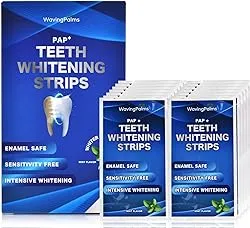
Tooth Stains from UK Diets
Why Coffee Stains Teeth So Easily
Coffee contains dark pigments called tannins. These tannins stick to enamel and slowly build up over time. In the UK, coffee culture has grown rapidly, with many people drinking several cups a day. Even milk-added coffee can stain teeth, especially when consumed daily.
Coffee also dries the mouth slightly, reducing saliva. Saliva helps wash away staining compounds, so less saliva means more discoloration. This is why coffee drinkers often notice yellow or brown tones on their teeth.
Tea: A Bigger Culprit Than You Think
Tea is one of the most common drinks in British households. Black tea, green tea, and even herbal blends contain tannins that can stain enamel. In fact, tea can stain more strongly than coffee because of higher tannin levels.
Frequent tea drinking, especially without rinsing the mouth afterward, leads to gradual dullness. Over time, teeth lose their natural brightness and appear darker, even if you brush twice a day.
Wine Stains and Acid Damage
Red wine is well known for staining teeth, but white wine also plays a role. Red wine contains chromogens, deep-colored compounds that attach to enamel. White wine is acidic, which weakens enamel and makes it easier for stains from other foods and drinks to stick.
UK social culture often includes wine with meals or gatherings, making wine stains a common concern. Whitening strips can help reverse these effects when used correctly.
How Whitening Strips Work on Surface Stains
The Science Behind Whitening Strips
Whitening strips are thin, flexible pieces coated with a whitening gel, usually containing hydrogen peroxide or carbamide peroxide. These ingredients break down stain molecules on the enamel surface.
For UK users, it is important to choose products that follow safety guidelines. UK-approved formulas use controlled peroxide levels to reduce sensitivity while still delivering visible results.
Surface Stains vs Deep Stains
Coffee, tea, and wine mainly cause surface stains. These stains respond well to whitening strips. Deep stains, caused by aging or medication, may need professional treatments.
This is why Best Whitening Strip Strategies for UK diets focus heavily on managing surface stains from daily drinks rather than extreme whitening.
UK Regulations and Safety Standards
Why UK Approval Matters
The UK has strict rules on tooth whitening products. Whitening strips must meet legal peroxide limits and safety testing standards. Using non-approved products can lead to gum irritation, enamel damage, or tooth sensitivity.
Choosing UK-approved whitening strips ensures you are using a product designed for British dental health standards.
Safe Use for British Users
Safe whitening strips for British users are designed for at-home use with clear instructions. They focus on gradual whitening rather than harsh, fast results. This approach is ideal for people who regularly drink tea and coffee.
Following instructions exactly is part of the Best Whitening Strip Strategies for UK users who want long-term results without harm.
Choosing the Right Whitening Strips for UK Diets
Key Features to Look For
When selecting teeth whitening strips in the UK, look for:
- UK approval or compliance with British dental standards
- Lower peroxide concentration for daily stain removal
- Flexible strips that fit comfortably
- Clear usage instructions
These features help ensure safe and effective whitening at home.
Matching Strips to Your Drinking Habits
Heavy coffee drinkers may need strips designed for strong surface stains. Tea drinkers benefit from consistent, gentle whitening. Wine drinkers should look for strips that also support enamel protection.
The best teeth whitening strips UK users choose are those that fit their personal habits rather than promising extreme results.
Best Whitening Strip Strategies for UK Coffee Drinkers
Timing Matters
One of the most effective Best Whitening Strip Strategies for UK coffee lovers is timing. Avoid applying strips immediately after drinking coffee. Coffee is acidic, and whitening right away can increase sensitivity.
Wait at least 30 to 60 minutes after your last cup. This allows enamel to recover and reduces irritation.
Daily Habits That Boost Results
Rinsing your mouth with water after coffee helps reduce staining. Using a straw for iced coffee can also limit contact with teeth.
Pairing whitening strips with these habits improves results and helps maintain brightness longer.
Best Whitening Strip Strategies for UK Tea Drinkers
Managing Frequent Tea Intake
Because tea is often consumed throughout the day, consistency is key. Short, regular whitening sessions work better than occasional intensive use.
At-home teeth whitening UK routines should be gentle but consistent, especially for tea drinkers.
Avoiding Overuse
Tea stains respond well to whitening, but overusing strips can cause sensitivity. Follow the recommended schedule and avoid doubling sessions.
Safe whitening strips for British users are designed to work over time, not overnight.
Best Whitening Strip Strategies for UK Wine Drinkers
Pre-Whitening Care
Before using whitening strips, brush your teeth and wait at least 30 minutes after drinking wine. This helps prevent acid-related sensitivity.
Wine drinkers should also avoid whitening on days of heavy wine consumption.
Post-Whitening Protection
After whitening, avoid red wine for at least 24 hours. Teeth are more porous after treatment, making them vulnerable to new stains.
This strategy is a key part of Best Whitening Strip Strategies for UK social drinkers.
Managing Sensitivity and Gum Health
Why Sensitivity Happens
Sensitivity occurs when peroxide reaches tiny pores in enamel. People who drink acidic beverages are more prone to this issue.
Choosing UK-approved whitening strips with lower peroxide levels reduces this risk.
Simple Ways to Reduce Discomfort
Use a sensitivity toothpaste during whitening periods. Take breaks between sessions if needed.
Protecting gum health is essential for long-term whitening success.
Building a UK-Friendly Whitening Routine
Weekly Routine Example
A typical routine for British users may include:
- Whitening strips 2 to 3 times a week
- Daily brushing with fluoride toothpaste
- Rinsing after coffee and tea
- Limiting staining drinks after whitening
This routine balances effectiveness with safety.
Long-Term Maintenance
Once desired whiteness is achieved, reduce strip use to maintenance sessions. This helps prevent overuse and sensitivity.
At-home teeth whitening UK success depends on moderation and consistency.
Common Mistakes UK Users Should Avoid
Using Non-Approved Products
Avoid importing unregulated strips. These often exceed safe peroxide levels and can damage enamel.
Tooth whitening products UK users trust are those designed for local regulations.
Whitening Too Often
More is not always better. Overuse leads to sensitivity and uneven results.
Stick to recommended schedules for best outcomes.
Natural Support for Whitening Results
Diet Adjustments
Eating crunchy fruits and vegetables helps clean teeth naturally. Drinking water after meals reduces staining.
These habits support the effects of whitening strips.
Oral Hygiene Basics
Good brushing and flossing enhance whitening results. Whitening strips work best on clean teeth.
This combination is essential in Best Whitening Strip Strategies for UK lifestyles.
Long-Term Smile Care for UK Diets
Balancing Enjoyment and Care
You do not need to give up coffee, tea, or wine. Smart whitening strategies allow you to enjoy these drinks while keeping a bright smile.
Understanding how stains form helps you manage them effectively.
When to Seek Professional Advice
If stains persist or sensitivity increases, consult a dentist. Professional advice ensures your whitening routine remains safe.
You Might Be Interested In
- What Side Of Whitening Strip Goes On Teeth?
- Can Teens Use Whitening Strips? UK Rules & Safer Alternatives
- Are Teeth Whitening Strips Legal in the UK?
- How Often Should You Use Whitening Strips? UK-Friendly Schedules
- Do Whitening Strips Damage Teeth?
- Can You Sleep With Teeth Whitening Strips?
- How To Use Inopro Teeth Whitening Strips?
- Superdrug vs Amazon Whitening Strips: Which Are Worth It in 2026
- Do Whitening Strips Damage Enamel? What UK Dentists Say
- Can I Use Teeth Whitening Strips Every Day?
Conclusion
Coffee, tea, and wine are part of daily life in the UK, but they do not have to define your smile. By following Best Whitening Strip Strategies for UK diets, you can safely and effectively reduce stains caused by your favorite drinks. The key is understanding how stains work, choosing UK-approved products, and building a routine that fits your lifestyle.
Whitening strips offer a practical, at-home solution for British users who want noticeable results without extreme treatments. When used correctly, they target surface stains from coffee, tea, and wine while protecting enamel and gum health. Pairing whitening with simple habits like rinsing after drinks and timing treatments properly makes a significant difference.
A brighter smile is not about perfection; it is about balance. With the right approach, you can enjoy your daily drinks and still feel confident in your smile. Smart choices, safe products, and consistency are what truly make whitening successful in the long run.
FAQs about Whitening Strips
Are whitening strips safe for daily tea and coffee drinkers in the UK?
Yes, whitening strips are generally safe for daily tea and coffee drinkers in the UK when you choose products that are UK-approved and follow the instructions carefully. These strips are designed to target surface stains caused by common drinks like tea and coffee without harming enamel.
Because UK regulations limit peroxide levels, approved strips focus on gradual and controlled whitening rather than aggressive bleaching, which makes them suitable for regular consumers of staining beverages.
However, safety also depends on how you use them. Daily tea and coffee drinkers should avoid using whitening strips more frequently than recommended, as overuse can lead to tooth sensitivity or gum irritation. Waiting at least 30 minutes after drinking hot or acidic beverages before applying strips helps protect enamel and keeps the whitening process comfortable and effective over time.
How long does it take to see results from whitening strips?
Most people begin to notice visible improvements from whitening strips within one to two weeks of consistent use. The exact timeline depends on how dark the stains are and how often you consume coffee, tea, or wine. Surface stains from tea and coffee, which are very common in UK diets, usually respond quite well to whitening strips and may start fading after just a few applications.
For deeper or more stubborn stains, especially those from frequent wine consumption, results may take slightly longer. Consistency is more important than speed. Following a steady routine and avoiding staining drinks immediately after whitening sessions will help results appear faster and last longer without increasing sensitivity.
Can whitening strips damage enamel?
Whitening strips do not damage enamel when they are used correctly and are compliant with UK safety standards. UK-approved whitening strips are formulated with controlled peroxide levels that are effective against stains but gentle on tooth enamel. Problems usually occur when people use non-regulated products, leave strips on for too long, or use them more often than advised.
Enamel damage is more closely linked to misuse rather than the product itself. To protect your teeth, always follow the recommended treatment schedule and avoid combining whitening strips with other strong whitening products at the same time. Maintaining good oral hygiene and using fluoride toothpaste also helps keep enamel strong during whitening treatments.
Should I stop drinking wine while whitening my teeth?
You do not need to completely stop drinking wine while whitening your teeth, but reducing intake during active whitening periods is highly recommended. Wine, especially red wine, contains strong pigments that can quickly restain teeth. White wine, although lighter in color, is acidic and can weaken enamel, making it easier for stains to return.
For best results, avoid drinking wine for at least 24 hours after using whitening strips. Teeth are slightly more porous after whitening, so exposure to wine during this time can undo your progress. Moderation and timing are key, allowing you to enjoy wine while still achieving effective whitening results.
How often should I use whitening strips for maintenance?
Once you have reached your desired level of whiteness, whitening strips should be used less frequently for maintenance. For most people in the UK, using whitening strips once or twice a month is enough to manage new stains from tea, coffee, and wine. This approach helps maintain results without causing unnecessary sensitivity or enamel stress.
Maintenance whitening works best when combined with good daily habits, such as brushing twice a day, rinsing after staining drinks, and attending regular dental check-ups. By keeping a balanced routine, you can enjoy long-lasting whitening results while protecting your overall oral health.
