
If you’ve ever wandered down the oral care aisle in a UK pharmacy or scrolled through online stores, you’ve probably noticed the explosion of teeth whitening strips. They promise brighter, whiter teeth without the fuss of professional dental treatments. But here’s the million-pound question: are teeth whitening strips legal in the UK? Spoiler: it’s not as simple as a yes or no. There are rules, limits, and common misunderstandings that can trip up even savvy shoppers.
I’ve worked with countless clients and experimented with at-home whitening products over the years, and I’ve seen what works, what doesn’t, and what can go seriously wrong if you don’t follow the rules. Most people assume that if a product is sold online or on a shelf, it’s automatically safe and legal. That’s far from true. The UK has strict regulations on the chemicals and concentrations allowed in consumer whitening products, and using illegal strips isn’t just risky for your teeth it’s against the law.
In this post, I’ll break down the world of whitening strips in plain English. We’ll cover how these products actually work, what the law says, what you can safely buy, and the mistakes I’ve seen people make when chasing a brighter smile. By the end, you’ll have a practical understanding of how to whiten your teeth at home safely, without breaking UK rules.
What Are Teeth Whitening Strips?
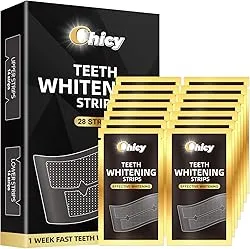
Teeth whitening strips are exactly what they sound like: thin, flexible strips coated with a whitening agent that you apply directly to your teeth. Most strips contain peroxide either hydrogen peroxide or carbamide peroxide which penetrates the enamel to break down stains. The idea is simple: you stick the strips on, let them sit for a set time, and the peroxide slowly bleaches the stains that make teeth look yellow or dull.
In practice, I’ve seen people treat strips like stickers they slap them on, walk away, and hope for magic. But the reality is more nuanced. Strips need to fit your teeth snugly. If the edges lift, the gel doesn’t cover all surfaces evenly, and you end up with patchy whitening. Overlapping strips or leaving them on too long doesn’t make them stronger it just irritates your gums and can even harm enamel.
There are different strengths and types. Some are daily-use, mild strips for gradual whitening. Others are higher concentration, designed for a few treatments. And here’s a practical note from experience: higher strength doesn’t always mean better results. It often means more sensitivity and higher legal scrutiny in the UK. That’s why understanding what’s legal is more than a technicality it’s about protecting your teeth.
UK Legal Framework for Whitening Products
In the UK, teeth whitening products fall under the EU Cosmetic Products Regulation, which was retained in UK law after Brexit. The rules are strict about what concentrations of peroxide can be sold to the public. Specifically, you can legally buy consumer products with up to 0.1% hydrogen peroxide (or the equivalent carbamide peroxide). That’s pretty mild. Anything stronger is considered a professional product and must be applied under the supervision of a dentist.
Why so strict? Peroxide is a strong bleaching agent. In higher concentrations, it can damage enamel, irritate gums, and even affect soft tissue inside your mouth. The law isn’t there to make your smile less bright it’s there to prevent real harm.
UK law also distinguishes between products intended for home use and those for professional use. Dentists can legally use products with up to 6% hydrogen peroxide, but anything above that is restricted to clinical settings. If you stumble across an imported product promising ultra-fast whitening with high peroxide content, it may be illegal to sell or use it here. In practical terms, you’re taking a legal and dental risk.
Enforcement isn’t just a bureaucratic thing. Trading standards actively monitor online sales, and import restrictions mean that shipping high-strength strips from overseas could land both seller and buyer in hot water. From my experience, the real danger is that people don’t realize they’re buying illegal products until something goes wrong sensitivity, chemical burns, or uneven whitening.
Are Whitening Strips Sold in the UK Legal?
This is where most people get confused. Just because a product is listed on Amazon UK or a UK pharmacy website doesn’t automatically mean it’s legal. In my years working with whitening strips, I’ve seen multiple cases where people purchased “high-strength” US imports that were technically illegal in the UK.
Here’s the rule of thumb: any strip containing more than 0.1% hydrogen peroxide for consumer use is illegal unless supplied by a dentist or in a professional setting. That covers the majority of the popular US whitening strips that advertise dramatic whitening in a week or two they often exceed the legal limit.
However, not all UK-sold strips are illegal. Some brands manufacture versions specifically for the UK market with legally compliant peroxide levels. They may take longer to whiten teeth compared to higher-strength imports, but they’re safe, legal, and far less likely to cause gum irritation or enamel damage.
From real-world observation, the illegal strips often create immediate, noticeable whitening. That’s appealing, but it comes with sensitivity, chemical burns, and sometimes uneven color. Legal UK strips are slower, but the results are steady and safe. In my experience, patience pays off more than chasing rapid whitening with a legal risk.
Difference Between Consumer and Professional Products
Most people don’t realize there’s a huge difference between what’s on the shelf and what a dentist can use. Consumer strips are low-strength (0.1% peroxide) and designed for at-home safety. Professional products, on the other hand, can contain up to 6% hydrogen peroxide and require dental supervision.
I’ve worked in practices where we had to carefully apply high-strength gels. Even with professional training, we still monitor gum contact, enamel integrity, and patient sensitivity. Using these at home without supervision is asking for trouble. Legal tooth whitening in the UK is built on this distinction: consumer products are mild and safe; professional products are strong and risky in untrained hands.
Risks of Using Illegal Whitening Strips
If you’ve ever thought, “I’ll just get the strong ones from the US,” think again.
Using illegal whitening strips can cause a laundry list of problems:
-
Enamel Damage
High peroxide can demineralize enamel, leaving teeth sensitive or even permanently damaged.
-
Gum Burns
I’ve seen people get chemical burns that last for days sometimes requiring dental visits.
-
Uneven Whitening
Over-the-counter US strips often bleach too fast, leaving blotchy results.
-
Legal Trouble
Buying and using illegal products technically breaks UK law. While enforcement is rare for individuals, the seller is at real risk.
-
False Advertising
Products sold online may exaggerate results. I’ve had clients bring in strips claiming “10 shades whiter in 5 days” and leave disappointed and worse, with sensitivity.
From hands-on experience, I can tell you that these risks aren’t hypothetical. Even mild misuse of legal products can cause sensitivity, but illegal strips increase the chance of serious issues exponentially.
How to Tell If Strips Are Legal in the UK
Spotting legal strips isn’t hard once you know what to look for:
Check peroxide concentration (should be 0.1% or below for consumer use), look for UK compliance labeling, avoid high-strength imports, and buy from reputable UK sources like trusted pharmacies or dental offices. In my experience, most legal strips are slower but reliable. If a product seems too good to be true, it usually is.
Alternatives to High-Strength Whitening Strips
If you want noticeable whitening without breaking the law or risking your teeth, there are several safer options:
UK-legal whitening strips work gradually and safely, perfect for at-home use. Whitening toothpaste and gels with mild peroxide or abrasives are suitable for everyday use.
Professional treatments in-office offer faster results under controlled conditions. Even lifestyle changes like reducing coffee, tea, or smoking can prevent staining and improve whitening results. From practical experience, combining mild strips with good oral hygiene and stain-reducing habits often gives results almost as good as higher-strength products without the risks.
Consumer Tips & Safety Advice
Here’s some hands-on advice I give to anyone considering teeth whitening strips in the UK:
Always check peroxide concentration before buying and follow the instructions carefully. Don’t use strips on sensitive or decayed teeth without consulting a dentist. Start slowly if you’ve never used whitening products before some mild sensitivity is normal. Avoid combining multiple whitening products at once. I’ve seen people eager for rapid results try layering products, only to end up with sore gums and regret. Patience and legal compliance are key.
You Might Be Interested In
- How Long After Brushing Teeth Can I Use Whitening Strips?
- Can I Use Teeth Whitening Strips Every Day?
- Can You Sleep With Teeth Whitening Strips?
- How Long Do You Leave Teeth Whitening Strips On?
- Do Whitening Strips Damage Enamel? What UK Dentists Say
Conclusion
So, are teeth whitening strips legal in the UK? The answer is yes but only if they follow strict peroxide limits. Most consumer products on UK shelves are legal, slow, and safe. Anything stronger without dental supervision is illegal, risky, and unnecessary.
Understanding the law, choosing reputable products, and using them properly will get you a brighter smile without harming your teeth or breaking rules. In short: safe whitening is legal whitening, and patience beats shortcuts every time.
FAQs
Why are whitening strips illegal in the UK?
Whitening strips are illegal in the UK primarily due to strict regulations on the concentration of hydrogen peroxide allowed in cosmetic dental products. The UK law permits teeth whitening products to contain a maximum of 0.1% hydrogen peroxide for over-the-counter use, whereas many whitening strips sold online or abroad contain significantly higher concentrations. These higher levels can pose a risk to tooth enamel and gums if used without professional supervision. The restriction ensures that consumers are protected from potential chemical burns, increased tooth sensitivity, and long-term damage to dental tissues.
Are teeth whitening strips safe in the UK?
In general, teeth whitening strips are not considered safe in the UK unless used under the guidance of a licensed dental professional. Over-the-counter strips available in other countries may contain high levels of hydrogen peroxide, which can irritate gums, weaken enamel, and cause uneven whitening. UK dentists emphasize the importance of professional assessment before starting any whitening treatment, as individual dental conditions such as sensitive teeth, cavities, or gum disease can increase the risks. When properly used under supervision, whitening treatments can be effective and safe.
Is it illegal to do teeth whitening in the UK?
It is not illegal to whiten teeth in the UK, but it is illegal for unqualified individuals to carry out treatments using products with high concentrations of hydrogen peroxide. Only registered dental professionals can legally perform teeth whitening using stronger bleaching agents. Over-the-counter products sold within the UK must comply with strict safety regulations and contain very low concentrations of hydrogen peroxide. This legal framework protects patients from misuse and ensures that whitening is done safely, minimizing the risk of dental damage or chemical injury.
What do NHS dentists use to whiten teeth?
NHS dentists primarily focus on restorative and preventive dental care, so routine cosmetic whitening is not widely offered through the NHS. However, when whitening is requested as part of treatment, dentists typically use professional-grade bleaching gels containing safe concentrations of hydrogen peroxide, applied under controlled conditions. These treatments often involve custom-fitted trays to ensure even coverage and reduce the risk of gum irritation. Professional whitening is more predictable and effective than over-the-counter products, as dentists can tailor treatments to the patient’s needs and monitor results.
How are Taylor Swift’s teeth so white?
Taylor Swift’s bright smile is likely the result of professional dental care combined with good oral hygiene. Celebrities often use in-office whitening treatments performed by cosmetic dentists, which involve high-quality bleaching agents and precise techniques that over-the-counter products cannot match. Additionally, regular cleaning, enamel-safe whitening products, and avoiding staining foods or drinks contribute to maintaining her pearly white teeth. Her results reflect both professional treatment and consistent dental maintenance rather than quick fixes or home remedies.
