
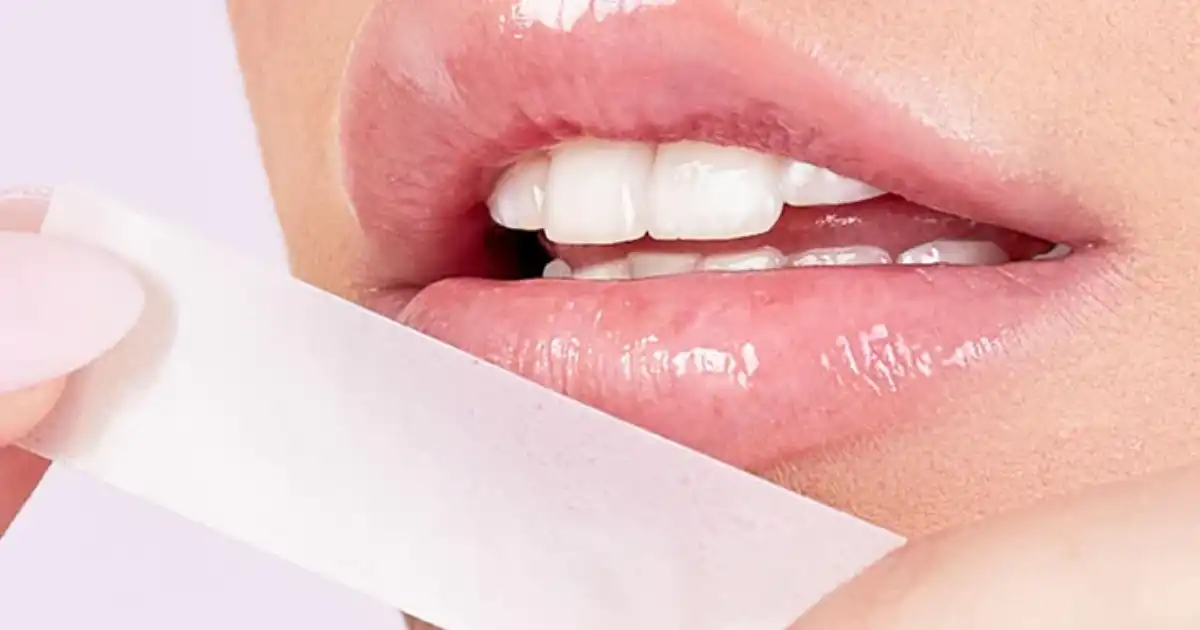
If you’ve ever tried traditional whitening strips, you know the drill: sticky plastic sheets, fiddly application, awkward talking while they cling to your teeth, and that nagging fear they might slide into your mouth. Enter dissolvable whitening strips, a new kid on the block in the UK teeth whitening scene. These are strips that don’t just stick they melt away, leaving your teeth coated with whitening gel without the hassle of peeling them off. Sounds convenient, right?
Dissolvable strips are carving out a niche for a reason. For busy professionals, teens, or anyone who dreads the awkward “strip-on, lip-stuck” moments, these strips offer a far less intrusive way to brighten your smile. In the UK, where dental regulation is strict about hydrogen peroxide concentration in over-the-counter products, these strips are designed to stay within safe limits while still delivering noticeable results.
But here’s the reality from someone who’s seen them in action: not all dissolvable strips are equal. Some melt too quickly, leaving a sticky mess, while others leave your teeth sensitive if used too aggressively.
Knowing how they work, the pros and cons, and which products actually deliver results can save you time, money, and frustration. In this post, I’ll walk you through everything you need to know about dissolvable whitening strips, from practical usage tips to the best whitening strips UK shoppers can buy today.
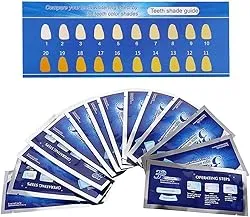
What Are Dissolvable Whitening Strips?
At their core, dissolvable teeth strips are thin films that contain a whitening agent, usually hydrogen peroxide or carbamide peroxide in concentrations approved for UK over-the-counter use (generally under 6%). Unlike traditional plastic strips, these don’t need to be peeled off after application, they slowly dissolve, releasing the whitening gel directly onto your teeth.
Design-wise, they’re often made from water-soluble polymers that stick just enough to your enamel to stay in place, but not so much that you need to tug them off. Once the strip dissolves, the gel sits on your teeth long enough to do its job, then you rinse or spit. Some strips even leave a protective layer of gel behind to help reduce sensitivity.
The big practical difference between these and regular strips is convenience. No plastic waste, no awkward peeling, and in my experience, fewer mistakes where the strip slips or leaves uneven coverage. That said, dissolvable strips are slightly less forgiving with saliva they can start dissolving too quickly if you have a lot of drool (or if you can’t resist talking).
In the UK, products sold in stores or online must comply with EU and UK cosmetic regulations, which limit peroxide concentration for at-home use. This is why you won’t see super-aggressive whitening in dissolvable strips they are meant for gradual brightening, not instant Vegas-smile results. Still, used correctly, they can lift surface stains from tea, coffee, red wine, and smoking effectively.
Pros of Dissolvable Whitening Strips
From real-world experience, dissolvable whitening strips have several advantages that make them genuinely useful:
Convenience
You can use them on the go. Morning coffee? Apply a strip while scrolling emails, and it’ll start working without awkward peeling later.
Less Mess
Traditional strips can stick to lips or move around, leaving uneven coverage. Dissolvable strips usually stay put and leave no leftover plastic to dispose of.
Reduced Sensitivity
Because the gel is released gradually and the strips dissolve, I’ve noticed fewer complaints of sharp, temporary pain compared with some high-strength traditional strips.
Eco-friendlier
No plastic waste, which is a small but meaningful win for conscious UK buyers.
Easy for Beginners
For first-timers or anyone who struggles with traditional strips, dissolvables reduce the risk of applying too much peroxide to gums or having strips fold over awkwardly.
Targeted Whitening
Some dissolvable strips come pre-cut for upper and lower teeth, so coverage is more precise, reducing the chance of uneven whitening.
In practice, I’ve found that these strips are particularly handy for quick touch-ups before an event, like a wedding or presentation, when you don’t want to commit to a full tray session. They won’t replace professional whitening for deep stains, but for everyday users in the UK, the convenience and gentler approach make them a solid option.
Limitations
Despite their perks, dissolvable strips aren’t magic.
Here’s what you need to know from hands-on experience:
Limited Whitening Power
UK regulations cap peroxide strength, so if your teeth are heavily stained, these strips won’t work as fast or as dramatically as in-office treatments.
Dissolving Too Fast
Some brands dissolve almost immediately, leaving you with sticky gel that drips around your mouth. I’ve seen this happen when someone talks or drinks too soon after application.
Uneven Results
If saliva causes the strip to move before it dissolves, whitening can be patchy. I’ve fixed this with careful application, but it’s a learning curve.
Sensitivity Still Possible
While generally gentler, overuse can lead to enamel irritation or gum discomfort. People with sensitive teeth should be cautious.
Cost
Dissolvable strips tend to be slightly more expensive than regular strips, especially if you want daily use. For UK shoppers on a budget, that’s worth considering.
Not for Deep Stains
If your teeth have intrinsic discoloration (tetracycline staining, fluorosis), these strips won’t solve it. They’re for surface stains from tea, coffee, red wine, or smoking.
In short, dissolvable strips are excellent for convenience and mild whitening, but expectations need to be realistic. I’ve seen people get frustrated because they expected a “Hollywood white” result overnight this isn’t how these strips work in practice.
How to Use Dissolvable Whitening Strips
Here’s a practical step-by-step guide I use and recommend:
Brush First
Lightly brush your teeth with a non-abrasive toothpaste. Avoid strong whitening toothpastes immediately before, as this can increase sensitivity.
Dry Teeth
Pat teeth with a clean tissue or cloth. Excess moisture can cause strips to dissolve too quickly.
Apply the Strip
Position carefully on upper or lower teeth. Most dissolvable strips have a gel side ensure it contacts enamel.
Press Gently
Smooth from front to back to ensure even contact.
Avoid Talking or Drinking
I know it’s tempting, but saliva can dissolve the strip too soon. Wait the recommended 10–15 minutes.
Let it Dissolve
Most UK brands dissolve fully within 10–20 minutes.
Rinse
After dissolving, rinse your mouth with water to remove leftover gel. Don’t brush immediately if your teeth feel sensitive.
Common mistakes I see: talking too soon, using multiple strips at once thinking it’ll speed things up, and skipping the drying step. These all lead to uneven whitening or mess. Patience and proper placement are key.
Best Picks for Dissolvable Whitening Strips UK
Here are some UK-friendly options I’ve tried and can confidently recommend:
SmileLabs Dissolvable Strips
-
Features
5–6% hydrogen peroxide, dissolves in ~15 minutes, upper/lower pack.
-
Why I like it
Reliable adhesion, minimal mess, gentle on sensitive teeth.
-
Best use
Everyday surface stain removal, especially coffee and tea drinkers.
White Glow Quick Dissolve
-
Features
Melt-away formula, 10-pack for daily use, subtle mint flavor.
-
Why I like it
Fast dissolution without sticky residue, pleasant taste.
-
Best use
Busy professionals needing quick touch-ups before events.
BrightSmile UK Sensitive
-
Features
Lower peroxide (3%), added fluoride, slow-dissolve for reduced sensitivity.
-
Why I like it
Ideal for those prone to enamel pain; still lifts mild stains.
-
Best use
People with sensitive teeth or gums; gentle daily whitening.
PearlEase Travel Pack
-
Features
Compact, individually wrapped, dissolves in 12 minutes.
-
Why I like it
Perfect for travel, disposable, no mess.
-
Best use
Quick on-the-go whitening, especially for last-minute touch-ups.
LumaWhite Dissolve Strips
-
Features
Stronger peroxide (UK-compliant), long-lasting effect, dissolves evenly.
-
Why I like it
For those wanting slightly more noticeable results without professional treatment.
-
Best use
Weekend whitening sessions; works well for moderate staining from smoking or red wine.
From experience, the trick is to match the strip to your lifestyle and teeth type. Heavy coffee drinkers may need a stronger daily-use strip like SmileLabs, while someone with sensitive teeth might stick with BrightSmile UK Sensitive. Remember, none of these will instantly transform heavily stained teeth, but with consistent use, you’ll notice a visible lift in a week or two.
Which Strips Are Best for You?
Here’s a practical guide:
-
Sensitive teeth
Go for BrightSmile UK Sensitive. Slow dissolution, fluoride inclusion, and lower peroxide minimize irritation.
-
Fast results / busy schedule
WhiteGlow Quick Dissolve melts quickly and fits into a short break.
-
Budget-conscious
SmileLabs Dissolvable Strips offer solid whitening without breaking the bank.
-
Travel / on-the-go: PearlEase Travel Pack
is compact, mess-free, and convenient.
-
Moderate to heavy surface stains
LumaWhite Dissolve Strips give a stronger lift without professional intervention.
My advice: pick one that matches your teeth type, routine, and staining habits. Don’t chase every new brandconsistent, correct use matters more than flashy marketing.
You Might Be Interested In
- Whitening Strips with Braces, Veneers, Crowns or Bonding: What’s Safe?
- Why Your Whitening Strips in Dental Whitening Won’t Stick
- How Often Should You Use Teeth Whitening Strips?
- How Long After Brushing Teeth Can I Use Whitening Strips?
- Do Whitening Strips Damage Enamel? What UK Dentists Say
Conclusion
In my experience, dissolvable whitening strips are a genuinely convenient alternative to traditional strips, particularly for UK users who want a no-fuss, on-the-go solution. They won’t give you instant Vegas-white teeth, but for lifting surface stains from coffee, tea, red wine, or smoking, they do the job well.
The key is realistic expectations and careful use. Dry teeth, patient application, and not overdoing it will make your experience far more pleasant. For sensitive teeth, pick a gentle formula; for busy lifestyles, choose a fast-dissolving option. And remember consistency beats gimmicks. Using a strip correctly for a week or two will yield visible results far better than skipping days or trying to double-dose for speed.
Ultimately, dissolvable strips are about convenience, reduced mess, and moderate whitening power. They won’t replace professional treatment for stubborn stains, but they can keep your smile bright between dental visits. In the UK market, a few brands stand out in practice SmileLabs, WhiteGlow, BrightSmile, PearlEase, and Luma White depending on your priorities.
FAQs
Are dissolvable whitening strips safe for daily use in the UK?
Yes, dissolvable whitening strips are generally safe for daily use in the UK, as long as you stick to the instructions and the peroxide limits specified on the packaging. Most over-the-counter strips contain hydrogen peroxide in concentrations of 3–6%, which is approved for home use and considered low-risk for enamel and gum health. In my experience, problems usually occur when people try to “speed up” whitening by applying multiple strips at once or leaving them on longer than recommended. This can lead to sensitivity, gum irritation, or even small white spots on enamel.
Using them as directed typically once per day or a few times per week keeps things safe while still producing noticeable results. If you have pre-existing enamel issues, gum recession, or oral health concerns, it’s wise to check with your dentist first. Following a proper routine, rinsing afterward, and giving your teeth a break between sessions makes daily use practical without risking damage.
Can I use them if I have sensitive teeth?
Yes, but you need to choose the right product and approach. UK brands like Bright Smile UK Sensitive or similar low-peroxide dissolvable strips are designed for people prone to sensitivity. In my experience, these strips release the whitening agent gradually, which is gentler on enamel and less likely to trigger that sharp “zing” that some people get with traditional strips. Using strips on already sensitive teeth or after aggressive brushing can still cause discomfort, so it’s important to follow the recommended application time and frequency.
For added protection, I often advise brushing with a fluoride toothpaste before starting and avoiding overly abrasive whitening toothpastes around the same time. Also, if you feel discomfort during or after a session, take a day or two off, and don’t push through pain. Sensitivity usually subsides quickly, but consistent care is key to a positive experience.
How long before I see results?
For most people with mild surface stains, you can see initial improvements in about 5–7 days of consistent use. These are usually subtle changes, like coffee or tea stains looking less pronounced and your teeth appearing slightly brighter. For darker stains, such as from smoking, red wine, or intrinsic staining, it can take 2–3 weeks of consistent application to notice a visible difference. In my experience, impatience is the biggest mistake here people expect a Hollywood-white smile overnight, but dissolvable strips are designed for gradual whitening.
Consistency matters more than intensity. Using the strips exactly as recommended each day is far more effective than skipping days and trying to double up. Also, lifestyle factors like frequent tea or coffee drinking, smoking, or acidic foods can slow down the results, so pairing the strips with good oral hygiene makes a noticeable difference over time.
Can I eat or drink while using them?
No, you should avoid eating or drinking while the strips are on your teeth. The reason is simple: dissolvable strips rely on contact with enamel to release the whitening gel gradually. Eating or sipping liquids too soon can cause the strips to dissolve unevenly or slide off, leaving some areas of your teeth uncoated and producing patchy results. In my experience, even talking or laughing too much during the application can cause minor disruption in coverage.
It’s best to wait the full recommended time for the strip to dissolve completely. Most UK products take about 10–20 minutes, depending on the brand. After the strip has fully dissolved, you can rinse your mouth, and then it’s safe to eat or drink. Following this step carefully makes a big difference in getting even, noticeable whitening results.
Are dissolvable strips more effective than traditional strips?
Effectiveness depends on your teeth and the type of stains you’re trying to remove. In my hands-on experience, dissolvable strips are usually on par with traditional plastic strips for mild surface stains, like those from coffee, tea, or wine. Where they really shine is in convenience they’re less messy, easier to apply, and eliminate the awkward peeling step. However, they typically don’t contain higher concentrations of peroxide because of UK regulations, so they may not achieve the same level of whitening as stronger traditional strips or professional treatments.
If your teeth are heavily stained or have intrinsic discoloration, you might see slower or less dramatic results. But for everyday maintenance, touch-ups, or gentle whitening, dissolvable strips work very well. They’re a solid alternative if you want results without the hassle or mess of traditional strips, especially for quick use before events or for people with sensitive teeth.
