

Whitening Strips Damage Enamel is one of the most searched questions in cosmetic dentistry today. Many people in the UK want a brighter smile but worry about safety, sensitivity, and long-term tooth health. Whitening strips are easy to use, affordable, and widely available, but confusion remains about whether they weaken or harm enamel.
Tooth Enamel and Why It Matters
Tooth enamel is the hard outer layer that protects your teeth. It is the strongest substance in the human body, but it is not indestructible. Enamel protects teeth from decay, temperature changes, and daily wear.
Once enamel is damaged, it does not grow back. That is why any whitening method must be evaluated carefully. When people ask if Whitening Strips Damage Enamel, they are really asking whether the whitening chemicals weaken this protective layer.
UK dentists focus strongly on enamel safety. Cosmetic results are important, but oral health always comes first.
What Are Whitening Strips and How Do They Work?
Whitening strips are thin, flexible plastic strips coated with a whitening gel. The active ingredient is usually hydrogen peroxide or carbamide peroxide. These chemicals break down stains on and inside the tooth.
The strips are placed directly onto the teeth for a set time, usually 30 minutes, once or twice a day. Over several days, teeth appear whiter.
This method is popular because it is affordable and can be done at home. However, because the gel touches enamel directly, many users worry that Whitening Strips Damage Enamel when used frequently.
Why People Believe Whitening Strips Damage Enamel
The concern comes from several common experiences. Some users feel tooth sensitivity after using strips. Others notice gum irritation or discomfort. These symptoms can make it feel like the enamel is being harmed.
Another reason is overuse. People often think using more strips will give faster results. This can increase exposure to peroxide and lead to temporary enamel dehydration.
UK dentists explain that most problems are linked to misuse, not the strips themselves. The idea that Whitening Strips Damage Enamel is often based on incorrect usage rather than scientific evidence.
What UK Dentists Actually Say About Enamel Safety
UK dentists generally agree on one key point. When used correctly, approved whitening strips do not permanently damage enamel. Clinical studies support this view.
Dentists explain that whitening agents work by oxidising stains, not by scraping or dissolving enamel. The enamel may temporarily lose moisture, which can cause sensitivity, but it rehydrates naturally.
That said, dentists warn that excessive or prolonged use increases risks. This is where the belief that Whitening Strips Damage Enamel becomes partly true. Overuse can weaken enamel over time.
The Role of Hydrogen Peroxide in Whitening
Hydrogen peroxide is the main whitening agent in most strips. In the UK, its concentration is strictly regulated. Over-the-counter products have lower peroxide levels than professional treatments.
Lower concentrations mean slower results but improved safety. UK regulations are designed to protect enamel and gums.
Dentists emphasise that enamel damage is unlikely at approved levels. The myth that Whitening Strips Damage Enamel often comes from products bought online that do not meet UK standards.
Teeth Whitening Results Comparison: Strips vs Other Methods
Teeth whitening results comparison is essential when deciding which method to use. Whitening strips offer gradual improvement over one to two weeks.
Toothpastes provide minimal whitening and mainly remove surface stains. Whitening strips go deeper but still have limits.
Professional treatments deliver faster and more dramatic changes. However, they cost more and require dental supervision.
In terms of safety, all methods can be enamel-safe if used correctly. The belief that Whitening Strips Damage Enamel is not supported when comparing regulated products.
How Effective Are Whitening Strips in Real Life?
How effective are whitening strips depends on stain type and consistency of use. They work best on yellow or light brown stains caused by food, drinks, or smoking.
They are less effective on grey stains or discoloration caused by medications. Results are usually visible within a few days.
Most users see a noticeable improvement, but not a Hollywood-white smile. This realistic expectation reduces misuse and lowers the risk that Whitening Strips Damage Enamel.
Dentist Teeth Whitening Results UK Compared to Strips
Dentist teeth whitening results UK are often more dramatic and longer lasting. Dentists use higher-strength gels with protective measures for gums and enamel.
In-clinic treatments can whiten teeth several shades in one session. Custom trays also ensure even application.
Dentists confirm that professional whitening is the safest option for sensitive teeth. However, they do not claim that Whitening Strips Damage Enamel when used responsibly.
Professional Whitening Effectiveness and Enamel Health
Professional whitening effectiveness is higher because dentists control every step. They assess enamel condition before treatment.
If enamel is thin or damaged, whitening may be postponed. This level of care is not available with at-home strips.
However, dentists still acknowledge that strips can be a safe option for people with healthy teeth. The idea that Whitening Strips Damage Enamel applies mainly to people with existing dental issues.
Long-Lasting Teeth Whitening Results: What to Expect
Long-lasting teeth whitening results depend on lifestyle. Drinking tea, coffee, or red wine can cause stains to return.
Whitening strips usually last a few months. Professional treatments can last longer with proper care.
Dentists recommend maintenance rather than frequent full treatments. This approach protects enamel and reduces the risk that Whitening Strips Damage Enamel over time.
Sensitivity and Enamel: Are They the Same Thing?
Tooth sensitivity does not always mean enamel damage. Whitening temporarily opens microscopic pores in enamel.
This allows sensations to reach the nerves more easily. The pores close naturally after treatment.
Dentists stress that sensitivity is temporary. It does not mean Whitening Strips Damage Enamel permanently.
Who Should Avoid Whitening Strips?
People with thin enamel, cavities, gum disease, or dental restorations should avoid whitening strips without advice.
Pregnant women are also advised to wait. Children should not use whitening products.
UK dentists recommend a dental check-up before whitening. This prevents complications and avoids situations where Whitening Strips Damage Enamel due to existing problems.
Safe Tips to Use Whitening Strips Without Risk
Always follow the instructions exactly. Do not extend wear time.
Avoid using strips more often than recommended. Space out treatments.
Use a sensitivity toothpaste during whitening. This helps protect enamel.
Most importantly, buy UK-approved products. This reduces the risk that Whitening Strips Damage Enamel due to unsafe formulations.
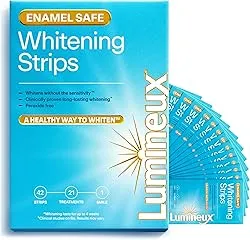
Myths vs Facts About Whitening Strips
A common myth is that whitening strips scrape enamel. This is false.
Another myth is that more peroxide means better results. This increases risk.
The fact is that controlled use is safe. Dentists agree that Whitening Strips Damage Enamel only when abused or misused.
The Long-Term Impact of Whitening Strips
Long-term studies show no permanent enamel loss from proper strip use.
Problems arise from repeated, excessive whitening over many years.
Dentists advise moderation. Used occasionally, whitening strips are unlikely to cause harm. The statement that Whitening Strips Damage Enamel is not accurate for responsible users.
You Might Be Interested In
- Dissolvable Whitening Strips: Pros, Cons & Best Picks UK
- Why Your Whitening Strips in Dental Whitening Won’t Stick and How to Fix It Fast
- How Often Should You Use Teeth Whitening Strips?
- Can Teens Use Whitening Strips? UK Rules & Safer Alternatives
- How Do Teeth Whitening Strips Work?
Conclusion
So, do whitening strips damage enamel? According to UK dentists, the honest answer is no, not when used correctly. Whitening strips work by breaking down stains, not by eroding enamel. Temporary sensitivity can occur, but it usually fades quickly.
Problems arise when people ignore instructions, overuse products, or buy unregulated strips online. In those cases, the concern that Whitening Strips Damage Enamel becomes more valid. Enamel health depends on moderation, product quality, and existing dental conditions.
If you want safe whitening, start with realistic expectations. Consider your tooth health, follow guidelines, and speak to a dentist if unsure. When used responsibly, whitening strips can brighten your smile without harming your enamel.
FAQs about Whitening Strips
Do whitening strips permanently weaken enamel?
Whitening strips do not permanently weaken enamel when they are used exactly as directed and are approved for use in the UK. UK dentists explain that the whitening agents work by breaking down stain molecules inside the tooth, not by stripping away or dissolving enamel. Any changes to enamel are temporary, such as mild dehydration, which naturally reverses once the teeth rehydrate through saliva.
Permanent enamel damage is usually linked to misuse, such as wearing strips for longer than recommended, using them too frequently, or combining multiple whitening products at the same time. In these cases, people may believe whitening strips damage enamel, but the real issue is overuse rather than the product itself.
Why do my teeth feel sensitive after using whitening strips?
Tooth sensitivity after whitening strips is very common and does not automatically mean harm. Whitening gels temporarily open microscopic pores in the enamel so oxygen can reach and break down stains. This process can allow hot, cold, or sweet sensations to reach the nerves more easily, causing short-term sensitivity.
UK dentists reassure patients that this sensitivity usually fades within a few days after stopping treatment. It does not indicate permanent damage or enamel loss. Using a toothpaste designed for sensitive teeth during and after whitening can help reduce discomfort while keeping enamel protected.
Are professional treatments safer than whitening strips?
Professional whitening treatments are considered the safest option because dentists assess your teeth and gums before starting. They check enamel thickness, existing sensitivity, and dental work, then adjust the treatment accordingly. This level of control reduces the risk of irritation or over-whitening.
However, this does not mean whitening strips are unsafe. Dentists agree that regulated, properly used strips are safe for people with healthy teeth. Professional care is simply more personalised, while whitening strips rely on users following instructions carefully to avoid problems.
How often can I safely use whitening strips?
Most UK dentists recommend using whitening strips no more than once or twice a year. This allows enamel enough time to fully recover and rehydrate between treatments. Using them more often does not improve results and can increase sensitivity and irritation.
Overusing whitening strips is one of the main reasons people worry that whitening strips damage enamel. In reality, spacing out treatments and maintaining good oral hygiene is the key to safe, long-term whitening without harming your teeth.
Should I see a dentist before using whitening strips?
Seeing a dentist before using whitening strips is strongly recommended, especially if you have never whitened your teeth before. A dentist can identify issues such as cavities, gum disease, or thin enamel that could make whitening uncomfortable or risky.
Even a routine dental check-up can provide peace of mind. Dentists can confirm whether whitening strips are suitable for you or suggest safer alternatives. This simple step helps ensure effective results while protecting enamel and overall oral health.
