
Whitening Strips have become one of the most popular solutions for brighter smiles, especially for people looking for easy and affordable options at home. In the UK, where professional dental whitening can be costly and time-consuming, many people turn to at-home solutions that fit their daily routines.
Whitening Strips are simple to use, widely available, and effective when used correctly. However, a common and important question remains: how often should you use Whitening Strips to get safe and visible results?
This comprehensive guide explains everything you need to know about using whitening strips in a UK-friendly way, highlighting the Best Teeth Whitening Strips Uk including MySmile Teeth Whitening. From understanding ingredients to building the right schedule, it shows how to whiten your teeth safely without causing sensitivity or damage, focusing not only on whiter teeth but also on healthier habits that last.
Whitening Strips and How They Work
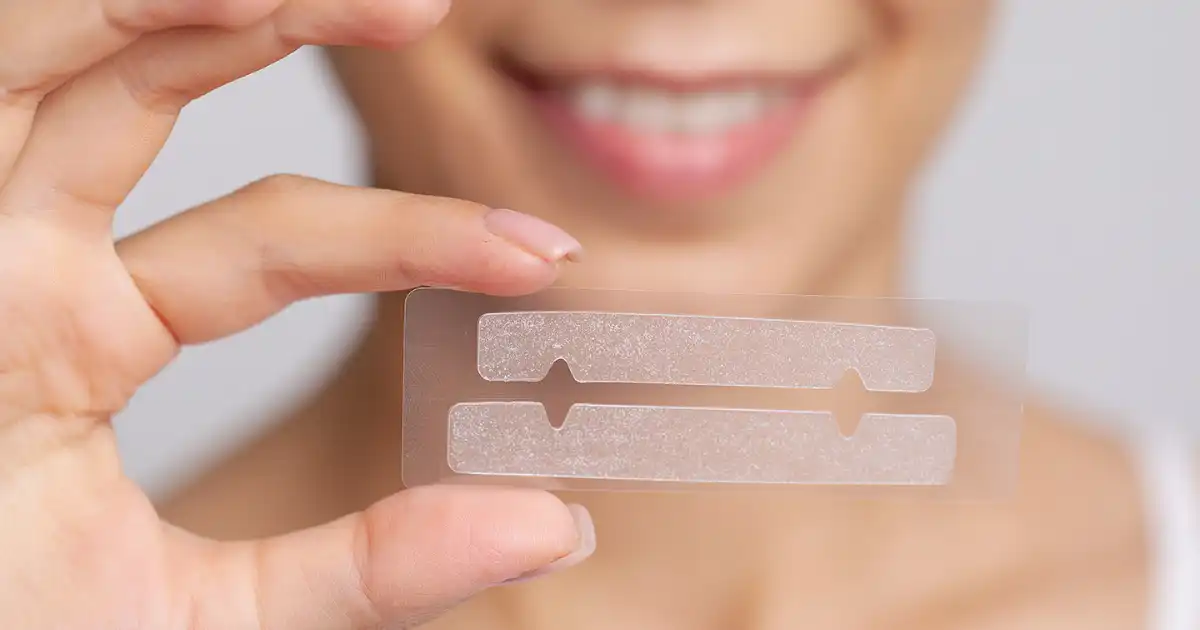
Whitening Strips are thin, flexible plastic strips coated with a whitening gel. This gel usually contains bleaching agents that help remove stains from the surface and deeper layers of the teeth. Once applied, the strips stick to your teeth and allow the whitening ingredients to work over a set period.
Most Whitening Strips are designed for daily use over a short course, often ranging from 7 to 14 days. The key to success is consistency, not overuse. Using Whitening Strips too often can lead to tooth sensitivity or gum irritation, especially for beginners.
In the UK, Whitening Strips are formulated to meet safety standards, which means the strength of whitening agents is controlled. This makes them safer for home use, but it also means following instructions is even more important to achieve noticeable results.
Types of Whitening Strips Available in the UK
Hydrogen peroxide whitening strips
Hydrogen peroxide whitening strips are among the most effective options available. They work by breaking down stains on and below the enamel surface. These Whitening Strips are often recommended for people with noticeable yellowing caused by tea, coffee, or smoking.
Because hydrogen peroxide is powerful, these Whitening Strips usually require shorter wear times. In most cases, using them once per day for 7 to 14 days is enough. Overusing them may increase sensitivity, so sticking to the recommended schedule is essential.
Peroxide-free whitening strips
Peroxide-free whitening strips are a gentler alternative. Instead of hydrogen peroxide, they use ingredients like sodium bicarbonate or natural enzymes to lift surface stains. These Whitening Strips are ideal for people with sensitive teeth or gums.
Although they are gentler, peroxide-free whitening strips may need a longer usage period. Many UK users apply them daily for up to 14 or even 21 days. The results are more gradual, but the risk of discomfort is lower.
How Often Should You Use Whitening Strips?
Daily use schedules
For most people, Whitening Strips are designed to be used once a day. This daily routine allows the whitening agents to work effectively without overwhelming your teeth. Daily use is especially common for hydrogen peroxide whitening strips, which deliver faster results.
If you’re new to Whitening Strips, starting with daily use for a shorter duration, such as 7 days, is often recommended. You can then assess your results and sensitivity before continuing.
Alternate-day use schedules
Some people prefer to use Whitening Strips every other day. This approach works well for those with sensitive teeth or gums. Alternate-day use still delivers results but gives your enamel time to recover between applications.
In the UK, dentists often suggest this schedule for first-time users. It’s a safer option that reduces the risk of irritation while still improving tooth colour over time.
Short-term intensive courses
Short-term courses usually last between 7 and 10 days. These are common with stronger Whitening Strips, especially those containing hydrogen peroxide. The idea is to achieve visible whitening quickly and then stop.
This schedule is popular before special occasions such as weddings or events. However, it’s important not to repeat intensive courses too frequently. Most experts recommend waiting at least 3 to 6 months before starting another course.
UK-Friendly Whitening Strip Schedules
One-week whitening plan
A one-week plan is ideal for mild staining. Using Whitening Strips once per day for 7 days can brighten your smile without causing much sensitivity. This plan works best with hydrogen peroxide whitening strips that are designed for quick results.
Many people in the UK choose this plan because it fits easily into busy schedules. It’s also a good option for people trying Whitening Strips for the first time.
Two-week whitening plan
A two-week plan is one of the most common approaches. Whitening Strips are used daily for 14 days, allowing for gradual and noticeable improvement. This schedule works well for both peroxide-based and peroxide-free whitening strips.
At-home teeth whitening UK routines often follow this plan because it balances effectiveness and safety. Most users report visible whitening with minimal discomfort when following this schedule correctly.
Maintenance whitening plan
Once you’ve achieved your desired shade, maintenance becomes important. Instead of daily use, Whitening Strips can be applied once every few weeks or once a month. This helps maintain results without overexposing your teeth to whitening agents.
Maintenance plans are especially useful for people who regularly drink tea, coffee, or red wine. Using Whitening Strips occasionally can help prevent new stains from settling.
Factors That Affect How Often You Should Use Whitening Strips
Tooth sensitivity
Sensitivity is one of the most important factors to consider. If you experience sharp pain or discomfort, it’s a sign that you may be using Whitening Strips too often. Reducing frequency or switching to peroxide-free whitening strips can help.
Listening to your body is key. Whitening Strips should improve your smile, not cause pain.
Lifestyle habits
Your daily habits play a big role in how often you need Whitening Strips. Smoking, drinking coffee, or consuming dark foods can stain teeth faster. In such cases, you may need more frequent maintenance.
However, more frequent use doesn’t mean daily use forever. Short courses followed by maintenance are safer and more effective.
Natural tooth colour
Some people naturally have darker teeth. Whitening Strips can still help, but results may take longer. These individuals may benefit from longer courses with gentler products rather than frequent intensive use.
Common Mistakes to Avoid When Using Whitening Strips
One of the biggest mistakes is overusing Whitening Strips. More does not always mean better. Overuse can weaken enamel and irritate gums.
Another common mistake is skipping days randomly. Consistency matters. Following a clear schedule ensures even whitening.
Some users also forget to maintain oral hygiene. Brushing and flossing regularly help Whitening Strips work more effectively and keep results lasting longer.
Are Whitening Strips Safe for Long-Term Use?
Whitening Strips are generally safe when used as directed. In the UK, products are regulated to ensure consumer safety. Long-term use should focus on maintenance rather than continuous daily application.
Dentists usually recommend limiting full whitening courses to a few times per year. Between courses, good oral hygiene and occasional maintenance use are enough.
If you have dental work such as crowns or veneers, Whitening Strips won’t change their colour. This is important to consider when planning your whitening routine.
Choosing the Best Whitening Strips in the UK
With so many teeth whitening products UK consumers can choose from, selecting the right Whitening Strips can feel overwhelming. Look for products that clearly state their ingredients and usage instructions.
The best whitening strips in the UK are those that balance effectiveness with comfort. Whether you choose hydrogen peroxide whitening strips or peroxide-free whitening strips, consistency and correct use matter more than brand names.
Always follow the recommended schedule and avoid combining multiple whitening products at the same time.
Whitening Strip Schedules
Whitening Strips are a convenient and effective way to brighten your smile when used correctly. The key is finding a schedule that suits your teeth, lifestyle, and sensitivity level. Daily use for short periods, followed by maintenance, is the safest approach for most people in the UK.
By understanding your options and avoiding overuse, Whitening Strips can deliver noticeable results without harming your teeth. A brighter smile is not about rushing the process but about building a routine that works for you.
You Might Be Interested In
- Can I Use Teeth Whitening Strips Every Day?
- Do You Brush Your Teeth After Whitening Strips?
- How Long Do You Leave Teeth Whitening Strips On?
- Peroxide-Free Strips vs Low-Peroxide Strips: Which whitens better under UK limits?
- What Side Of Whitening Strip Goes On Teeth?
Conclusion
Using Whitening Strips safely and effectively depends on how often and how consistently you apply them. For most people in the UK, a daily routine lasting one to two weeks is enough to see visible results. After that, switching to a maintenance schedule helps preserve your brighter smile without risking sensitivity.
Whitening Strips work best when combined with good oral hygiene and realistic expectations. Choosing the right type, whether hydrogen peroxide whitening strips or peroxide-free whitening strips, makes a big difference in comfort and results. Remember, whitening is a gradual process, and patience leads to healthier, longer-lasting outcomes.
A UK-friendly whitening routine is all about balance. With the right schedule, Whitening Strips can be a reliable part of your at-home teeth whitening UK routine, helping you feel confident every time you smile.
FAQs about Whitening Strips
How often can I safely use Whitening Strips?
Most people can safely use Whitening Strips once per day during a whitening course that lasts between 7 and 14 days. This schedule allows the whitening ingredients to lift stains gradually without putting too much stress on your tooth enamel. Following the instructions on the packaging is important, as UK-approved Whitening Strips are designed to work within specific time limits and concentrations.
After completing a full course, it’s best to give your teeth a break. Waiting at least 3 to 6 months before starting another whitening cycle helps protect enamel and reduces the risk of sensitivity. In between full courses, light maintenance use may be enough to keep your smile bright.
Can I use Whitening Strips every day long term?
Using Whitening Strips every day for long periods is not recommended. While short daily use during a treatment course is safe, continuous long-term use can increase tooth sensitivity and may irritate your gums. Whitening Strips are designed for controlled, short-term whitening rather than ongoing daily application.
For long-term results, a maintenance approach works better. After finishing a whitening course, you can use Whitening Strips occasionally, such as once every few weeks, to maintain brightness. This approach helps preserve results while keeping your teeth healthy.
Are peroxide-free whitening strips better for sensitive teeth?
Peroxide-free whitening strips are often a better choice for people with sensitive teeth or gums. These Whitening Strips use gentler ingredients to remove surface stains, making them less likely to cause discomfort. They are especially suitable for first-time users or those who have experienced sensitivity with stronger products.
While peroxide-free options may take longer to show visible results, they are generally safer for extended use. Many people prefer this gradual approach because it reduces irritation while still improving tooth colour over time.
Do Whitening Strips work on all types of stains?
Whitening Strips work best on surface stains caused by everyday habits such as drinking tea, coffee, or wine. These stains respond well to consistent use, especially when Whitening Strips are used according to a proper schedule. Most users notice gradual improvements within the first week of use.
However, deeper or older stains may take longer to fade. In some cases, multiple whitening courses spread out over time may be needed. It’s important to manage expectations and understand that Whitening Strips improve natural tooth colour but may not deliver instant results for every type of discoloration.
Can teenagers use Whitening Strips in the UK?
Whitening Strips are generally recommended for adults rather than teenagers. Younger teeth may be more sensitive, and whitening products can sometimes affect developing enamel. For this reason, many UK dental professionals advise caution when it comes to whitening treatments for teens.
If a teenager is considering Whitening Strips, it’s best to consult a dentist first. Professional guidance ensures that teeth whitening products UK consumers use are appropriate for age, dental health, and individual sensitivity, helping to avoid unnecessary risks.
