

If you’ve just finished a round of whitening strips and noticed tiny white spots staring back at you, you’re not alone. In my experience, this is one of the most common complaints from people who try at-home teeth whitening. The good news? White spots after whitening strips are often temporary, and in most cases, they can be managed without drastic measures.
I’ve worked with dozens of clients who panicked thinking their teeth were permanently damaged after using whitening strips. Often, the problem isn’t enamel damage it’s more about how your teeth reacted to the bleaching process. In this post, I’ll break down why these white spots appear, what they really mean, and how to fix them with practical, hands-on solutions. By the end, you’ll know how to prevent them in future whitening sessions and whether you need a dentist’s help.
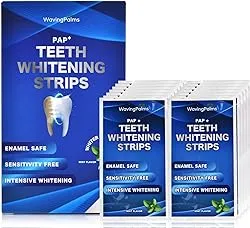
What Are White Spots After Whitening Strips?
White spots are small, chalky patches that appear on teeth after using whitening strips. Unlike cavities or decay, these spots are usually superficial and often related to changes in the enamel’s water and mineral content.
In practice, I see these spots most often on teeth that were already slightly dehydrated or unevenly mineralized. After the bleaching agent usually hydrogen peroxide sits on the enamel, it can temporarily dehydrate your teeth, making these pale patches more noticeable. The spots aren’t necessarily a sign that your teeth are “ruined,” but they do indicate that your enamel needs some attention.
People often confuse whitening strips white spots with permanent discoloration, but that’s rarely the case. Understanding what’s happening at the enamel level is key to fixing the issue without overreacting or causing more harm.
Common Causes of White Spots
Enamel Dehydration
This is the most common culprit. Whitening strips work by opening the enamel slightly and allowing the bleaching agent to penetrate. In doing so, they temporarily remove water from the enamel, which can make white spots appear more pronounced.
I’ve noticed that teeth naturally vary in water content, so some areas show white spots while others don’t. Usually, this type of spotting resolves itself within a few hours to a couple of days as the enamel rehydrates.
Pre-existing Mineral Imbalance
Teeth aren’t perfectly uniform. Some areas have slightly less mineral density, often invisible until you bleach your teeth. These weaker spots tend to turn opaque white when exposed to whitening strips.
In practice, people with a history of enamel erosion, acid reflux, or aggressive brushing often see these white patches more vividly. The bleach doesn’t “damage” the enamel here it just highlights the variations that were already there.
Fluorosis
If you grew up with high fluoride exposure, your teeth might have tiny mineral spots that manifest as enamel white spots. These aren’t caused by whitening strips but can become more noticeable afterward.
I’ve worked with clients in regions where fluorosis is common, and it’s usually harmless but can make whitening outcomes look uneven.
Uneven Strip Application
Here’s where human error really comes into play. If the strip doesn’t adhere evenly, the bleaching agent won’t contact all surfaces equally. In my experience, crooked or wrinkled strips leave behind visible white patches.
A lot of patients think more product equals better results, but uneven application is often what triggers these whitening strips white spots.
Overuse or Incorrect Use
Finally, using strips too often or leaving them on longer than recommended can cause the enamel to temporarily stress. While this rarely causes permanent damage, it can make white spots more pronounced and sometimes increase tooth sensitivity.
I’ve seen this happen especially with “one-size-fits-all” strips that don’t fit smaller or larger mouths well. Following the manufacturer’s instructions is crucial.
Are White Spots Permanent?
Most of the time, no they aren’t permanent. In my hands-on experience, white spots after whitening strips usually fade once the enamel rehydrates and remineralizes.
Permanent enamel white spots do exist, but they’re typically caused by childhood enamel defects, significant fluorosis, or prolonged demineralization not by short-term whitening. So, while spotting is alarming, in the majority of cases, it’s reversible with proper care.
How to Fix White Spots
Rehydration
Start simple: drink water and maintain a normal oral environment. Many clients are surprised that the spots fade within 24–48 hours if the teeth are properly hydrated. Some even gently swish water or a fluoride rinse to speed the process.
Remineralization Products
Remineralization toothpastes or gels containing calcium phosphate or fluoride can help restore enamel strength and reduce the appearance of white spots. I’ve personally seen clients see improvement in as little as a week with consistent use.
For stubborn cases, in-office fluoride varnishes applied by a dentist can accelerate the process. Don’t underestimate the power of targeted remineralization.
Proper Whitening Technique
If you’re continuing whitening, make sure strips are applied evenly, fit your teeth correctly, and aren’t left on too long. I always advise clients to take breaks between sessions to give enamel time to recover. Overzealous whitening can worsen existing white spots or create new ones.
Oral Hygiene
Gentle brushing with a soft-bristled toothbrush and non-abrasive toothpaste helps maintain enamel hydration. Avoid harsh whitening scrubs immediately after strips they can worsen temporary white spots.
Professional Dental Options
For persistent white spots, professional options like microabrasion, resin infiltration, or custom fluoride treatments work wonders. I’ve referred patients with visible fluorosis spots to cosmetic dentists, and the results can be dramatic.
Preventing White Spots During Whitening
Prevention is always easier than treatment. In my practice, I recommend:
-
Hydrate before and after
Brush and rinse, and maybe chew sugar-free gum to stimulate saliva.
-
Follow instructions carefully
Avoid overuse or leaving strips on longer than advised.
-
Check fit
Wrinkled or crooked strips increase uneven whitening.
-
Use remineralizing toothpaste
Especially in the week leading up to whitening.
By respecting enamel’s limits, you reduce the chance of whitening strips white spots and maintain more even results.
When to See a Dentist
You should see a dentist if:
-
White spots persist beyond 2–3 weeks
-
You notice sensitivity or pain that doesn’t improve
-
Spots are spreading or accompanied by enamel erosion
A dental professional can determine whether the issue is superficial dehydration or something that needs targeted treatment. In my experience, most cases are minor, but professional guidance ensures you don’t worsen the enamel
You Might Be Interested In
- How Often Should You Use Teeth Whitening Strips?
- PAP vs Peroxide Whitening Strips: What Works Best Under UK Rules?
- Whitening Strips vs Dentist Whitening UK: Results, Cost & Safety
- What Side Of Whitening Strip Goes On Teeth?
- Do Whitening Strips Damage Enamel? What UK Dentists Say
Conclusion
White spots after whitening strips are common, usually temporary, and manageable with the right approach. Hydration, remineralization, proper technique, and patience are your best tools.
In my experience, panic often makes people overdo whitening, which only worsens the issue. Treat your enamel gently, respect the limits of at-home whitening, and most spots fade on their own or can be fixed with simple professional interventions.
FAQs
Can white spots appear after every whitening session?
Yes, white spots can appear after multiple whitening sessions, especially if enamel is naturally prone to dehydration or uneven mineral distribution. In my experience, people who have slightly thinner enamel, previous enamel defects, or minor fluorosis are the most likely to notice these spots repeatedly. Each time the bleaching agent interacts with the enamel, it can temporarily draw out water and make these patches more visible.
The good news is that the spots usually fade with time and proper care. Allowing your teeth to rehydrate, using remineralization products, and spacing out whitening sessions significantly reduces the frequency and intensity of white spots. Repeated exposure without giving enamel time to recover is what tends to make them worse, not the whitening itself.
Do whitening strips damage enamel permanently?
When used correctly, whitening strips generally do not cause permanent damage to enamel. Most enamel white spots are temporary and caused by dehydration or highlighting pre-existing mineral differences, rather than enamel loss. In my practice, I’ve rarely seen permanent enamel damage from standard at-home whitening when people follow instructions carefully.
Problems arise when whitening strips are overused, left on for too long, or applied incorrectly. That can increase sensitivity or create micro-stress in the enamel, but even then, professional remineralization treatments usually restore the enamel. So, while whitening strips can make imperfections more visible temporarily, they are not inherently destructive.
How long before white spots fade?
The timeline for fading depends on the cause of the white spots. In cases where spots are due to enamel dehydration which is the most common scenario I’ve seen them disappear within 24 to 48 hours. Simply drinking water, chewing sugar-free gum, or gently rinsing your mouth can speed this process.
If the spots are related to pre-existing mineral imbalance or fluorosis, fading can take longer often up to one or two weeks with consistent use of remineralization toothpaste or gels. Patience is key here; trying to “mask” them with more whitening too soon can backfire and prolong the issue.
Can I cover white spots with more whitening?
Covering white spots with additional whitening is usually a bad idea in the short term. In my experience, over-whitening stressed enamel can worsen the appearance of white spots or create new ones, especially if the enamel hasn’t had time to rehydrate and remineralize. Strips should never be applied on the same teeth multiple times in one day.
The smarter approach is to wait until the teeth have recovered and the initial spots have faded naturally or through remineralization treatments. Once your enamel is healthy again, future whitening sessions can produce a more even and predictable result without emphasizing white spots.
Are some teeth more prone than others?
Absolutely. Incisors and front teeth are usually the most prone to white spots after whitening strips. In my experience, this is because these teeth are often thinner and more translucent, making dehydration and minor mineral irregularities more visible. Teeth with previous enamel defects, micro-fluorosis, or early erosion are also more likely to show noticeable white spots.
It’s not uncommon for molars and back teeth to appear unaffected, even after the same whitening treatment. Understanding which teeth are more prone allows you to adjust whitening technique, apply strips more carefully, and monitor results closely, minimizing surprises and improving overall consistency.
