
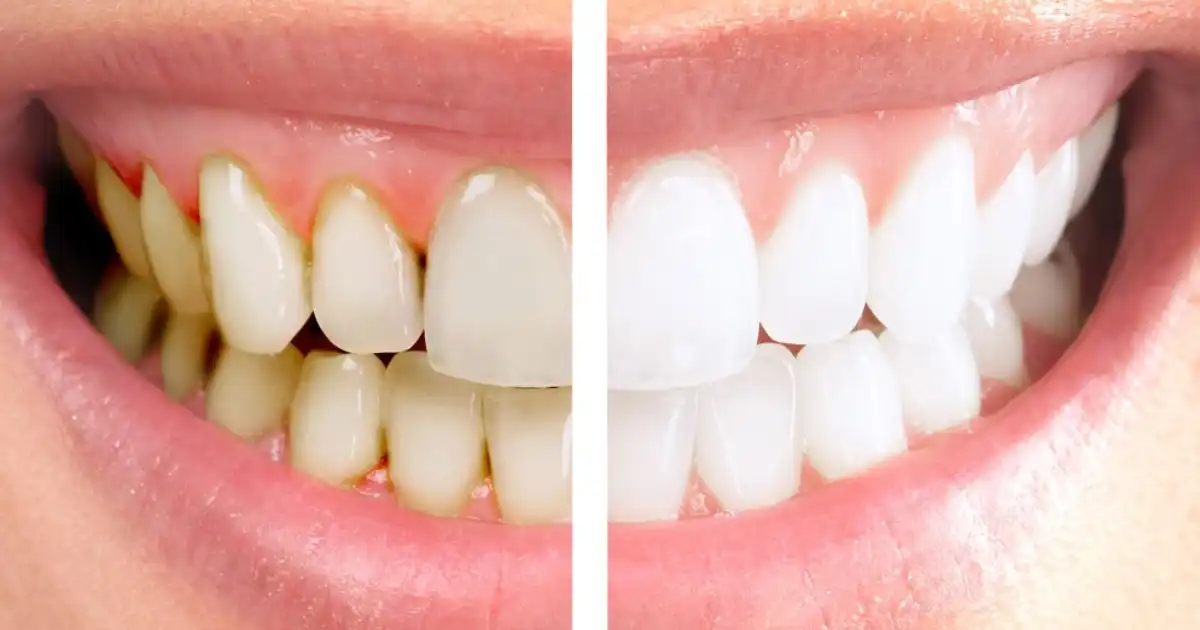
If you’re thinking about brightening your smile, you’ve probably stumbled across two main options in the UK: over-the-counter whitening strips and professional dentist-led whitening. Whitening Strips vs Dentist Whitening UK: Results, Cost & Safety
Both promise whiter teeth, but in my experience, they’re worlds apart in how they work, how fast you see results, and how safe they really are.
I’ve helped clients and friends navigate this before, and I’ve seen everything from the “wow, that’s amazing” results to the “ouch, my gums are burning” disasters that come from overenthusiastic home use.
Whitening strips are convenient, easy to buy, and can give a subtle improvement without leaving your house. Dentist whitening, on the other hand, is more expensive, takes longer to book, but the results are more predictable and generally safer when done properly.
In the UK, understanding the legal limits on bleaching agents, the potential side effects, and what realistic results look like is crucial before spending your money or risking your enamel. I’ll break down both approaches, including cost ranges, expected results, common mistakes, and safety tips, so you can decide which route suits your teeth, lifestyle, and wallet. By the end, you’ll know what to expect, what’s hype, and how to whiten your teeth without regrets.
What Are Whitening Strips?
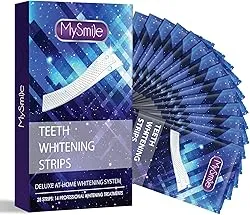
Whitening strips are probably the first thing most people try when they want a brighter smile without leaving the house. Essentially, they’re thin, flexible strips coated with a low-concentration bleaching gel, usually hydrogen peroxide or carbamide peroxide. You stick them directly on your teeth for a set period anywhere from 10 minutes to an hour per session and repeat daily for a couple of weeks.
I’ve seen them work best for people with minor surface stains, like those from tea, coffee, or occasional red wine. They’re easy to pick up at Boots, Superdrug, or online retailers across the UK. Typical brands in the UK include Crest 3D White White strips (legally available through specific online channels) and Superdrug’s own whitening strips. Legal limits mean the peroxide concentration is capped at 6% for home use, which is enough for subtle brightening but rarely delivers dramatic results.
In practice, there are a few caveats. First, strips don’t always fit every smile perfectly. Teeth at the back often don’t get covered, and gaps can cause uneven whitening. I’ve seen clients end up with streaks or splotches because they tried to trim or stretch the strips themselves. Second, sensitivity is common. Even with low-strength strips, some people experience tingling or mild gum irritation especially if they wear them too long or push the gel onto soft tissue.
Another practical point: whitening strips require consistency. Miss a few days, and results plateau. And don’t expect them to magically remove deep stains caused by smoking or certain medications; they’re mostly for surface-level discoloration. That said, they’re affordable, convenient, and low-risk for people who want a small boost before a party or wedding. Just manage expectations and don’t overdo it more is not better.
What Is Dentist-Led Whitening?
Dentist-led whitening in the UK is a different beast. This is professional treatment performed either in the clinic (in-chair whitening) or via custom trays for home use, prescribed and monitored by a dental professional. The main difference from strips is control: the dentist tailors the strength, application, and duration to your teeth and gums.
Most in-chair treatments use hydrogen peroxide concentrations between 25% and 40% well above what’s allowed in over-the-counter products. This allows for faster, more dramatic results, often in just one session. A typical session lasts about 60–90 minutes, and patients usually leave the clinic visibly brighter. Some practices combine in-chair treatment with take-home trays for a few extra days to perfect the shade.
I’ve seen dentist whitening work for tricky cases where stains are stubborn or uneven. People who drink a lot of coffee or tea, or those with naturally darker enamel, tend to see far better results professionally. The dentist also protects gums, tongue, and lips during the procedure something that home strips can’t guarantee. This protection is crucial because high-concentration peroxide can cause chemical burns if it contacts soft tissue.
Take-home trays are another option. The dentist creates moulded trays specifically for your teeth and provides professional-strength gel. Patients wear these trays for 30–60 minutes daily, usually over one or two weeks. While slower than in-chair treatment, the results are more uniform and allow the dentist to monitor progress and sensitivity.
In the UK, regulations are strict. Dentists must ensure peroxide concentrations over 6% are only applied by professionals. This legal framework protects patients but also explains the price difference. Unlike strips, professional whitening is about precision, speed, and safety especially if your teeth have fillings, crowns, or veneers, which strips can’t whiten.
Results Comparison
So, how do whitening strips stack up against dentist whitening in real life? Here’s what I’ve observed over the years.
Whitening strips offer subtle results. Most people see one to two shades brighter after the full course, usually around 10–14 days. It’s enough to notice in good lighting or selfies, but if your teeth are heavily stained, the change is modest. The outcome is also unpredictable: some teeth respond better than others, and misaligned or crowded teeth may whiten unevenly.
Dentist whitening, by contrast, can lift teeth up to eight shades in a single session or more when combining in-chair and tray methods. The results are typically more uniform and longer-lasting, especially if the patient follows good oral hygiene and avoids staining foods for a few weeks. In my experience, patients who’ve had dentist whitening rarely regret the investment; they consistently achieve noticeable, confident results.
Consistency and maintenance also differ. Strips require regular repetition for top-up whitening, and results fade quicker if you don’t manage diet and habits. Professional whitening tends to last longer often 12–24 months depending on lifestyle but touch-ups are sometimes necessary.
Common pitfalls: I’ve seen people overuse strips, leaving them on too long or using extra gel to chase faster results. This often leads to gum irritation or enamel sensitivity. Dentist-led treatments carry less risk because dosage and timing are controlled. That said, some patients still experience temporary sensitivity, particularly with in-chair procedures, but this usually subsides within a few days.
A final point: whitening strips can’t tackle dental work like fillings, veneers, or crowns. If your front teeth have restorations, only professional whitening or replacing restorations will create a uniform look. Strips may leave your natural teeth brighter than your crowns resulting in unevenness. Dentist whitening takes this into account, often adjusting the plan to blend your natural teeth with any restorations.
Cost Comparison
Budget is often the deciding factor between whitening strips and dentist-led whitening in the UK.
Whitening strips are inexpensive. You can pick up a 14-day course for around £20–£40 at Boots, Superdrug, or online. Even premium brands stay under £50. They’re affordable, accessible, and don’t require appointments. But remember: if your teeth are very stained, you might need multiple courses over months, which adds up.
Dentist whitening is a bigger investment, but it comes with professional oversight. In-chair treatments typically cost £300–£600 per session, depending on location and clinic reputation. Take-home tray systems cost slightly less around £250–£400 for the full course but often need a follow-up visit. London practices tend to be at the higher end of the spectrum, while smaller towns may offer competitive pricing.
It’s worth considering longevity. Dentist whitening results usually last longer, meaning fewer top-ups. Strips are cheap upfront but may require repeated courses, which can gradually approach or exceed professional costs over time.
Insurance rarely covers cosmetic whitening in the UK, so these are out-of-pocket expenses. That said, some dentists offer payment plans or seasonal promotions, so you can manage the upfront cost without skimping on safety or quality.
In my experience, people who want a one-off brightening for a wedding or event may get away with strips, but anyone seeking lasting, noticeable results is better off budgeting for professional treatment.
Safety: Risks & Regulations
Safety is where the gap between strips and dentist whitening is clearest.
Whitening strips in the UK are regulated to contain no more than 6% hydrogen peroxide. At this level, the risk of serious damage is low, but gum irritation, enamel sensitivity, and uneven results are common. In my practice, I’ve seen clients leave strips on too long, resulting in chemical burns on the gums or tongue. Overuse can also weaken enamel if repeated excessively.
Dentist-led whitening uses stronger peroxide, but the professional environment dramatically reduces risk. Dentists use barriers to protect soft tissue, monitor progress, and stop treatment if sensitivity occurs. Temporary tooth sensitivity or mild gum irritation is normal, but serious issues are rare. Patients with cavities, gum disease, or exposed roots need treatment first; otherwise, the bleach can penetrate sensitive areas.
UK law prohibits high-concentration peroxide (>6%) for home use. This is why online marketplaces sometimes sell illegal strips or gels claiming “professional strength”they’re risky and not recommended. I’ve seen cases where patients bought these, resulting in severe sensitivity or gum burns. Stick to UK-approved products or dentist-administered treatments.
Other safety tips: Avoid whitening if you’re pregnant, breastfeeding, or under 18 without professional advice. Don’t expect whitening to fix underlying dental issues like decay, erosion, or misalignment; those need professional attention first. Finally, use toothpaste for sensitive teeth and follow dentist or product instructions strictly. In my experience, overenthusiasm is the main cause of problems, not the products themselves.
Pros & Cons
Here’s a practical rundown:
Whitening Strips UK
Pros
-
Affordable (£20–£50)
-
Convenient, no appointments needed
-
Subtle brightening for mild stains
Cons
-
Limited peroxide concentration → modest results
-
Uneven whitening possible
-
Can irritate gums or teeth if overused
-
Doesn’t whiten crowns, veneers, or fillings
Dentist Whitening UK
Pros
-
Dramatic, uniform results
-
Monitored for safety and sensitivity
-
Can treat stubborn stains
-
Longer-lasting results
Cons
-
Expensive (£250–£600+)
-
Requires clinic visits or appointments
-
Temporary sensitivity common
-
Not always suitable for severe dental issues without preparation
Who Should Choose Which Option?
In my experience, choice depends on goals, budget, and patience.
Whitening strips are good for:
-
People with mild surface stains
-
Budget-conscious individuals
-
Those who want a small boost for events or photos
-
People comfortable with DIY treatment and minor trial-and-error
Dentist-led whitening is better for:
-
Deep, stubborn stains or smokers
-
Those seeking dramatic, uniform results
-
Anyone with dental work on front teeth
-
People who value safety and professional monitoring
-
Patients willing to invest in long-term results
If you’re unsure, a consultation with a dentist can clarify expectations and discuss options like combined in-chair and tray treatments. In my practice, I usually suggest strips only for mild, temporary brightening, while serious cases go straight to professional whitening.
You Might Be Interested In
- White Spots After Whitening Strips: Causes & Fixes
- Whitening Strips with Braces, Veneers, Crowns or Bonding: What’s Safe?
- Whitening Strips Before a Wedding: A 14-Day UK Plan That Works
- Do Whitening Strips Damage Enamel? What UK Dentists Say
- Are Whitening Strips Bad For Your Teeth?
Conclusion
In the UK, whitening strips and dentist whitening each have their place, but they’re not interchangeable. Strips are convenient, cheap, and good for a mild, temporary boost, but results are limited and uneven whitening is common. Dentist-led whitening is more expensive, but it offers faster, more dramatic, and longer-lasting results under safe, professional supervision.
I’ve seen both approaches succeed and fail. Strips fail mostly because people misuse them, skip instructions, or expect miracles. Dentist whitening rarely disappoints when patients follow guidance, though sensitivity is a normal side effect.
Ultimately, your choice comes down to goals, budget, and tolerance for risk. If you want a subtle brightening for a special event, strips can be fine. If you’re after a confident, long-lasting smile and are willing to invest, a dentist in the UK is the safer, more effective route. Knowing what to expect, sticking to legal products, and managing habits post-whitening will protect your enamel and keep your smile bright without regret.
FAQs about Whitening Strips vs Dentist Whitening UK: Results, Cost & Safety
Are whitening strips safe for sensitive teeth?
Whitening strips are generally safe for most people, including those with mild tooth sensitivity, but the key is correct usage. The peroxide concentration in UK-approved strips is low, so serious damage is unlikely. However, leaving the strips on longer than instructed or pressing the gel onto your gums can cause irritation or a burning sensation. In my experience, people who follow the instructions closely usually experience only temporary tingling. Using a desensitising toothpaste before and during the course can make the process much more comfortable.
It’s also worth noting that repeated or excessive use increases the risk of enamel irritation. Strips aren’t designed to be a daily, long-term solution. For anyone prone to sensitivity, I recommend starting with shorter wear times and gradually building up as your teeth tolerate it. If discomfort persists, it’s best to pause the treatment and consult a dentist before continuing.
How long do results last?
The longevity of whitening results varies depending on the method and your lifestyle habits. With whitening strips, results typically last between one to three months. Coffee, tea, red wine, and smoking can fade the effect more quickly, which is why I always advise patients to manage staining habits if they want the results to last. Consistency and care make a noticeable difference in how long strips maintain brightness.
Dentist-led whitening is usually more durable, often maintaining results for 12 to 24 months. Professional treatments use stronger peroxide under controlled conditions, producing deeper, more uniform whitening. Even so, periodic touch-ups may be needed, particularly for those who consume staining foods and drinks regularly. In my experience, combining professional whitening with good oral hygiene and occasional at-home maintenance helps extend the results substantially.
Can whitening strips damage enamel?
When used correctly, whitening strips are unlikely to damage enamel. The UK law limits home-use strips to a maximum of 6% peroxide, which is considered safe for short-term cosmetic use. Most problems I’ve seen occur when people overuse the strips, leave them on too long, or buy illegal “extra-strength” versions online. This can lead to weakened enamel, irritation, or even chemical burns on soft tissue.
It’s also important to remember that whitening strips don’t fix underlying dental issues like cavities, erosion, or cracks. If these are present, using strips may exacerbate sensitivity or discomfort. I always recommend a check-up before starting any whitening treatment to ensure your enamel and gums are healthy enough to handle peroxide safely. For most healthy adults, following the product instructions closely prevents damage.
Can I whiten teeth with crowns or veneers?
Whitening strips won’t change the colour of dental restorations like crowns, veneers, or fillings. If you have these, strips can create uneven colouring, leaving your natural teeth brighter than the restorations. I’ve seen patients frustrated when they try strips at home and end up with a mismatched smile.
Dentist-led whitening can help address this by planning treatment around your restorations. While the restorations themselves won’t whiten, a dentist can recommend strategies to blend natural teeth with existing crowns or veneers. This might involve professional whitening combined with cosmetic adjustments, ensuring a uniform and aesthetically pleasing result.
Is dentist whitening painful?
Dentist whitening is not typically painful, but temporary sensitivity is very common. During in-chair treatments, peroxide penetrates the enamel and dentin, which can make teeth feel a bit tingly or sensitive for a few days. In my experience, patients often describe it as a brief, sharp sensation when cold foods or drinks are consumed. Using a soft toothbrush, desensitising toothpaste, and avoiding extreme temperatures in the first 48 hours usually helps.
Pain or discomfort is usually mild and manageable. The key advantage of dentist-led whitening is that a professional monitors the process closely, adjusting gel strength or duration to prevent excessive sensitivity. If any irritation occurs, the dentist can pause treatment, provide soothing measures, or advise a slower take-home tray approach. Overall, while not entirely painless, dentist whitening is much safer and controlled compared to DIY methods with higher risks.
