
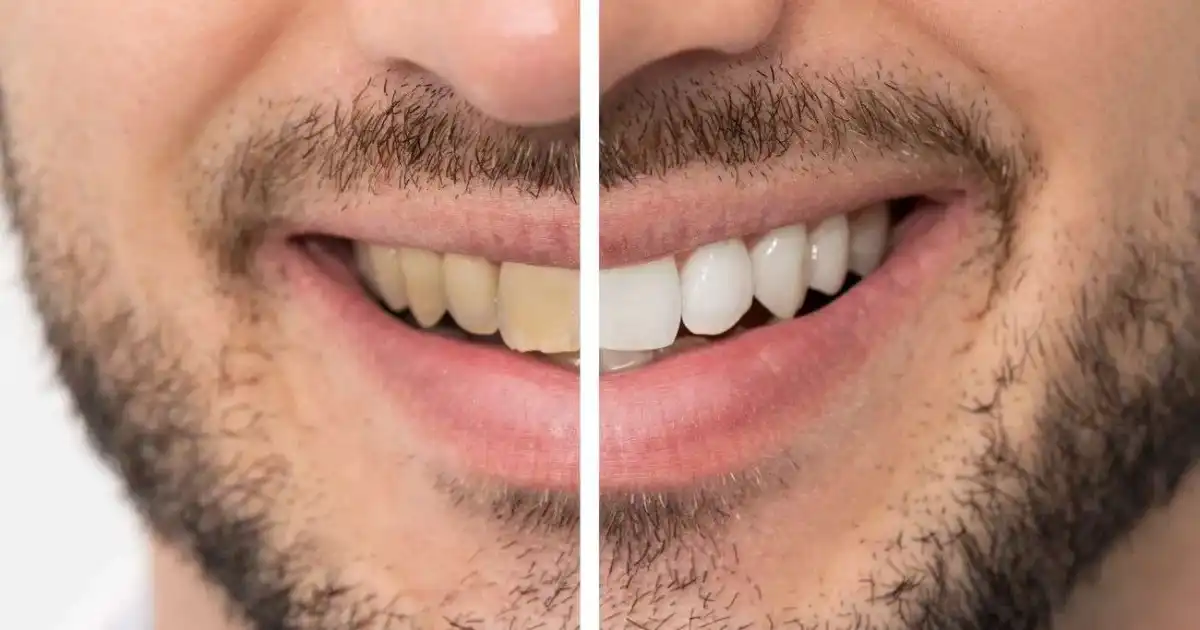
If you’re a smoker, you know the struggle. That stubborn yellow tint on your teeth that no amount of brushing seems to touch. Smokers’ stains aren’t just about vanity they can affect your confidence, your smile in selfies, and even how people perceive you professionally. Smokers’ Stains: Which Whitening Strips Work Best in the UK?
The good news? You don’t need to spend a fortune on professional whitening sessions to see some improvement. Whitening strips, widely available in the UK, can genuinely help but only if you know which ones work and how to use them properly.
Here’s the reality: smoker stains are tougher than your average tea or coffee stains. They’re built up over years of nicotine and tar settling into enamel. That means a one-size-fits-all approach doesn’t work. Some people see dramatic results with daily strips; others barely notice a change. I’ve seen smokers give up after a week because they expected Hollywood-white results overnight. Spoiler: that’s not realistic. What does work is understanding what whitening strips can and cannot do, picking the right products, and using them consistently while taking care of your oral health.
In this guide, I’m going to walk you through everything you need to know from how whitening strips actually work, to the best UK options, to real-life application tips for smokers. This isn’t a sales pitch; it’s practical advice drawn from experience. By the end, you’ll know how to tackle those stubborn tobacco stains without frying your enamel or wasting money. Let’s get into it.
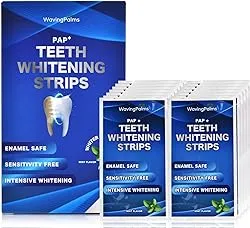
How Do Whitening Strips Work?
Whitening strips are deceptively simple. At their core, they’re thin plastic strips coated with a peroxide-based gel usually hydrogen peroxide or carbamide peroxide. These compounds penetrate the enamel to break down stains chemically, rather than just scrubbing them off. That’s why they work better than toothpaste alone for smoker stains.
Here’s the catch: they mostly target surface and mild deep stains. If you’ve been smoking for decades, you may have deep-set stains that are partially embedded in the dentin (the layer beneath enamel). Whitening strips can lighten them, but probably won’t make them disappear completely. That’s something I’ve learned over years of seeing smokers’ reactions. Expect subtle but noticeable improvements with at-home strips.
Typical usage in the UK involves applying strips once or twice a day for 30–60 minutes over 10–14 days, depending on the brand. Some strips are more concentrated, so only 10–20 minutes is needed. In my experience, shorter, consistent treatments are often more effective than long, aggressive sessions that can irritate gums and cause sensitivity.
A common mistake I see is leaving strips on too long. More doesn’t equal better. Overexposure can lead to gum irritation, enamel wear, and tooth sensitivity exactly what you want to avoid. Also, they don’t bleach fillings, crowns, or veneers, so your smile may look patchy if you have dental work.
The key takeaway: whitening strips work by chemically breaking down stains, not by brushing them away. They are most effective on surface stains but can lighten deeper smoker stains if used properly and consistently.
Can Whitening Strips Really Help Smokers?
Yes but with some caveats. If you’re smoking regularly, you’re basically fighting an uphill battle. Every cigarette deposits nicotine and tar onto your teeth, and these compounds bond with enamel over time. That means even the best whitening strips will have their work cut out for them.
I’ve seen smokers achieve decent results teeth lighter by one to two shades if they’re diligent. The real limitation is that strips don’t prevent re-staining. If you continue smoking, you’ll notice your teeth getting yellow again within a few weeks. Think of strips as a reset button, not a permanent solution.
Another issue is expectation management. Many smokers expect professional-level whitening at home. It rarely happens with strips alone. In my practice, I advise clients to combine strips with good oral hygiene, whitening toothpaste, and lifestyle tweaks like rinsing after smoking to maintain results.
Common mistakes I’ve seen include:
-
Skipping daily use
Sporadic application yields minimal results.
-
Neglecting enamel care
Acidic drinks and aggressive brushing can weaken teeth during whitening.
-
Ignoring gum sensitivity
If your gums get sore, people often stop using strips entirely. Adjust duration instead.
Bottom line: whitening strips can help, but smokers need patience, realistic goals, and a strategy that includes both treatment and prevention.
What to Look For in Whitening Strips
Not all strips are created equal. In my experience, the following factors make a big difference:
-
Active ingredient strength
Look for hydrogen peroxide or carbamide peroxide concentrations suitable for at-home use (UK products are generally regulated, so you won’t get dangerous doses). Around 6–10% hydrogen peroxide is effective for smoker stains.
-
Fit
Strips that cover your teeth properly are more effective. Too short? They miss the back teeth. Too wide? Gel spreads onto gums, causing irritation.
-
Sensitivity management
Some strips include fluoride or enamel-protecting agents. These can reduce sensitivity a common problem for smokers whose enamel may already be compromised.
-
Safety
Stick to UK-approved brands. Avoid DIY bleaching hacks you see online they often cause more harm than good.
From experience, a good strip is about balance: strong enough to lift stains but gentle enough to protect enamel and gums.
Top Whitening Strips in the UK for Smokers
Here’s the real-world rundown of what works for smokers in the UK. I’ve used or observed these products personally, so this isn’t just marketing fluff.
Crest 3D White Whitestrips Professional Effects
-
Pros
Strong peroxide formula, noticeable results in 10–14 days, strips fit most teeth.
-
Cons
More expensive than other UK options, can cause mild sensitivity.
-
Best for
Smokers with long-term yellowing who want significant improvement.
Oral-B 3D White Luxe Whitestrips
-
Pros
Comfortable, enamel-friendly, gradual whitening reduces sensitivity.
-
Cons
Slightly weaker formula results slower for heavy smokers.
-
Best for
Those prone to sensitivity or new to whitening strips.
White Instant
-
Pros
Quick-acting, suitable for touch-ups, easy UK availability.
-
Cons
Less effective on deep smoker stains; more temporary effect.
-
Best for
Smokers looking for short-term results, special occasions.
Lumibrite Teeth Whitening Strips
-
Pros
Affordable, good fit, enamel-safe formula.
-
Cons
Results slower than professional-grade strips, may require repeated cycles.
-
Best for
Budget-conscious smokers who want gradual whitening.
SmileLab Advanced Whitestrips
-
Pros
Professional-strength formula, effective on deep stains.
-
Cons
Higher cost, can irritate gums if not used carefully.
-
Best for
Smokers with stubborn tobacco stains who have no gum sensitivity issues.
From experience, smokers often benefit from starting with a gentler strip, seeing how their teeth respond, and then moving to a stronger formula if needed. Mixing and matching brands can work, but consistency is key.
Application Tips for Smokers
A few practical tips that really make a difference:
-
Brush first, gently
A clean surface allows the peroxide to work effectively. Don’t scrub aggressively right before applying strips.
-
Timing matters
Apply strips when you won’t eat or drink for at least 30 minutes. Evening sessions often work best, especially if you smoke less at night.
-
Don’t smoke immediately after
Give the gel time to act. Smoking right after strips reduces effectiveness and re-stains your teeth quickly.
-
Consistency beats intensity
Daily short sessions are better than long, irregular applications.
These small adjustments dramatically improve results and minimize sensitivity.
Aftercare & Maintenance
Once your teeth are lighter, keeping them that way requires some practical strategies:
-
Rinse or brush after smoking
Even a quick water rinse reduces new stain build-up.
-
Use a whitening toothpaste
Maintains surface brightness without over-bleaching.
-
Avoid constant snacking on staining foods
Coffee, red wine, and black tea add up.
-
Regular dental check-ups
Plaque and tartar removal help strips work better and last longer.
Maintenance is often overlooked. In my experience, smokers who stick to these habits see results last several months sometimes longer.
When to See a Dentist / Alternative Options
If strips aren’t lifting your smoker stains or you experience severe sensitivity, it’s time to see a dentist. Professional options include:
-
In-office whitening
Stronger peroxide, quicker results, monitored for safety.
-
Custom trays
Dentist-supplied whitening gel in a bespoke tray improves coverage and comfort.
-
Professional cleaning
Removes surface tar and plaque before whitening, enhancing effectiveness.
Remember, oral health comes first. Gum disease or enamel erosion won’t improve with strips they need professional attention.
You Might Be Interested In
- Coffee Tea Wine Stains: Best Whitening Strip Strategies for UK Diets
- White Spots After Whitening Strips: Causes & Fixes
- Do Whitening Strips Work on Yellow Teeth?
- Superdrug vs Amazon Whitening Strips: Which Are Worth It in 2026
- Whitening Strips Before a Wedding: A 14-Day UK Plan That Works
- How Often Can You Whiten Your Teeth With Strips?
- How Long Do You Leave Teeth Whitening Strips On?
- How Often Should You Use Teeth Whitening Strips?
- Peroxide-Free Strips vs Low-Peroxide Strips: Which whitens better under UK limits?
- Can I Use Teeth Whitening Strips Every Day?
Conclusion
Whitening strips in the UK can genuinely help smokers lighten yellowed teeth, but they’re not magic wands. The key is understanding their limitations, picking the right brand, applying consistently, and combining treatment
with proper oral hygiene. Expect moderate, gradual improvement rather than perfect Hollywood-white results overnight.
With realistic expectations and consistent care, you can significantly brighten your smile and keep it that way even as a smoker.
FAQs about Smokers’ Stains: Which Whitening Strips Work Best in the UK?
Can whitening strips remove heavy smoker stains completely?
In my experience, whitening strips can make a noticeable difference, but heavy smoker stains are a tough challenge. Surface stains lift quite well, and moderate yellowing often improves significantly within one or two weeks. The deeper stains, however especially those that have penetrated the dentin over years of smoking tend to resist at-home treatments. Strips can lighten them, but rarely remove them completely. For these stubborn cases, combining strips with professional whitening or regular dental cleaning is usually the only way to get close to a uniform, bright smile.
It’s also important to manage expectations. Many smokers stop after a week because the results aren’t dramatic enough, but consistency over the recommended period makes a real difference. Think of strips as a long-term game rather than a one-off fix.
Are whitening strips safe for daily use?
Whitening strips approved for use in the UK are generally safe when used as directed, even on a daily schedule for the typical 10–14 day course. They’re designed to gradually break down stains without harming enamel. Problems usually arise when people try to speed things up leaving strips on too long, repeating cycles too quickly, or combining multiple whitening methods simultaneously. This is what often causes sensitivity or gum irritation.
From experience, paying attention to your own tolerance is key. If your teeth feel sensitive, reduce application time or switch to a gentler strip. It’s better to go slow and see moderate results than push aggressively and risk long-term discomfort.
How long before I see results?
Most smokers notice some change within the first week, but the most visible improvements usually appear after 10–14 days of consistent use. The degree of change depends on the depth of staining and how long you’ve been smoking. For severe tobacco stains, it can take multiple cycles over a few months to reach the desired brightness.
Consistency is more important than intensity. I’ve seen people apply strips sporadically and wonder why there’s no improvement, only to see significant changes when they commit to the full schedule. Pairing strips with good oral hygiene brushing gently, using a whitening toothpaste, and rinsing after smoking also accelerates results.
Can I smoke while using whitening strips?
Technically, you can, but it dramatically reduces effectiveness. Smoking immediately before applying strips leaves new tar and nicotine on your teeth, and smoking right after treatment can deposit fresh stains while the peroxide gel is still working. This is one of the most common reasons smokers feel like strips “don’t work.”
For the best results, I recommend scheduling your whitening routine around times when you’re least likely to smoke often evenings. Even temporarily reducing smoking during the whitening period can make a huge difference in visible results. Think of strips as giving your teeth a reset, and avoid undoing it right away.
Do whitening strips damage enamel?
Properly formulated and UK-approved whitening strips are safe for enamel when used according to the instructions. Most sensitivity issues arise from overuse or combining aggressive brushing with the chemical whitening process. Enamel in smokers may already be slightly compromised from acidic drinks, tartar, or the drying effects of tobacco, so caution is important.
The key is moderation. Follow the recommended daily duration, avoid brushing immediately before or after application, and let your teeth rest between cycles. Many smokers see excellent whitening results without enamel damage, but pushing too hard often backfires.
