
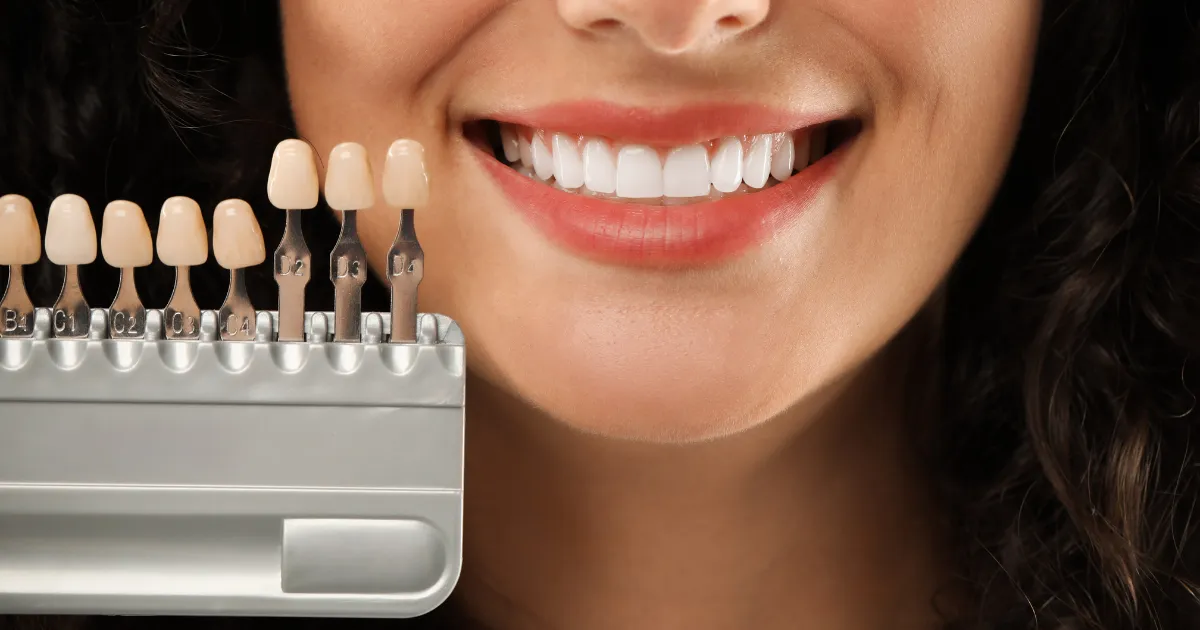
If you’ve ever stared at your coffee-stained teeth in the mirror and thought, “There has to be an easier way to brighten these up,” you’re not alone. Enter Inopro Teeth Whitening Strips those thin, flexible strips that promise a whiter smile from the comfort of your own home. How Often Can You Use Crest Teeth Whitening Strips?
I’ve tried them, seen them work, and yes, I’ve also seen people mess them up. That’s why I want to give you the full scoop on how to use these strips properly, what to expect, and how to avoid common mistakes that could leave you frustrated or worse, with sensitive teeth.
Think of this as the friendly, practical guide you’d get from someone who’s actually done this dozens of times, not some sterile marketing spiel. By the end, you’ll know how to get the best teeth whitening results from Inopro strips without unnecessary pain or wasted effort.

What Are Inopro Teeth Whitening Strips?
Inopro Teeth Whitening Strips are exactly what they sound like: thin, flexible strips coated with a whitening gel, usually containing hydrogen peroxide or carbamide peroxide. They’re designed to stick to your teeth, deliver the whitening agent directly to the enamel, and gradually lift stains.
Unlike messy whitening trays or professional in-office treatments, these strips are simple, portable, and easy to use. They’re aimed at anyone who wants a brighter smile without booking a dental appointment. I’ve used them on coffee drinkers, tea lovers, and even smokers, and they work best when stains are surface-level. If your discoloration is deep or intrinsic (like tetracycline stains), strips can help a bit but won’t deliver dramatic results.
One key point: Inopro strips are designed for adult teeth only, and they aren’t ideal for people with braces, severe dental sensitivity, or gum issues unless you take extra precautions.
Benefits of Using Inopro Whitening Strips
From my experience, the main benefits are practical and noticeable:
-
Ease of Use
You literally peel, stick, and go. No trays, no mixing powders, no weird gels dripping everywhere. Perfect for busy mornings.
-
Convenience
You can wear them while doing your usual routine reading, working, watching TV. Just don’t eat or drink while the strips are on.
-
Gradual, Predictable Results
Unlike harsh DIY hacks (baking soda, lemon juice don’t do this, seriously), these strips work over days, giving you visible improvement without instantly shocking your teeth.
-
Affordability
Inopro strips are cheaper than repeated professional whitening sessions, but in my experience, the results are surprisingly close if you follow the instructions.
-
Less Mess, Less Stress
When used correctly, you avoid the sticky trays and uneven gel application that plague many home whitening kits.
Realistically, you won’t get a Hollywood-white smile overnight. But if you want brighter teeth in a safe, controlled way, Inopro strips are a solid choice.
Step-by-Step Guide: How to Use Inopro Strips
Here’s where most people go wrong. You might think it’s as simple as sticking them on, but there’s a bit of nuance to get the best teeth whitening results.
Here’s my practical, hands-on approach:
Prep Your Teeth
Before you even open the packet, brush your teeth gently. Not a hardcore scrub with a hard brush just enough to remove plaque and surface debris. Avoid whitening toothpaste before the strips, as abrasive pastes can make enamel more sensitive.
Dry Your Teeth
This is often overlooked. Strips stick better to a slightly dry surface. Pat your teeth with a clean tissue or cloth if they’re wet from saliva.
Peel Carefully
Open the packet slowly. The strips are thin, and the gel can smudge if you’re careless. Separate the top (for upper teeth) and bottom (for lower teeth) strips.
Align and Apply
Start at the front, pressing the gel side against your teeth. Line it up with your gum line not covering the gums. In my experience, the biggest mistake is letting the strip touch your gums, which causes irritation.
Press and Hold
Use your fingers to smooth the strip over the teeth and fold any excess behind your teeth. Make sure there are no air bubbles those create uneven whitening.
Set a Timer
Most Inopro strips are designed to be left on for 20–30 minutes. I’ve learned the hard way: leaving them longer doesn’t whiten more, it just increases sensitivity. Stick to the recommended time.
Remove and Rinse
Peel the strip off carefully. Don’t yank. Then rinse your mouth with lukewarm water to remove residual gel. Avoid brushing immediately after if your teeth feel sensitive; give the enamel a few minutes to recover.
Clean Up
Wipe your teeth gently and avoid foods or drinks that stain for at least 30–60 minutes. Coffee, tea, red wine they can undo your hard work fast.
How Often Should You Use Them
The usual protocol is once daily for 10–14 days, depending on the concentration and your sensitivity. Some people can tolerate every-other-day use for longer to reduce sensitivity.
From my experience: consistency beats intensity. Using strips too aggressively can backfire with pain or gum irritation, while slow, steady application gives even, lasting results.
Tips for Best Results
Here are insider tips I wish I knew before my first attempt:
-
Don’t brush aggressively before or after
Gentle brushing is fine, but harsh scrubbing can damage enamel.
-
Avoid acidic foods/drinks around treatment
Citrus, soda, or tomato-based meals can make your teeth more sensitive.
-
Stay hydrated
Saliva is natural protection. Drinking water helps minimize sensitivity.
-
Follow the sequence
Upper strips on upper teeth, lower on lower teeth sounds obvious, but misplacing them affects coverage.
-
Use a mirror
Sounds silly, but seeing exactly where the strip sits prevents gum contact and uneven whitening.
Common Mistakes to Avoid
-
Skipping the dry teeth step
Wet teeth = poor adhesion = uneven whitening.
-
Leaving strips too long
More gel does not equal faster whitening; it equals pain.
-
Touching gums
That’s how you get that burning, irritated sensation.
-
Using multiple strips at once
One per arch at a time. Overlapping strips can cause streaks.
Managing Sensitivity
Even when done correctly, some people get mild sensitivity.
Here’s what works in practice:
-
Use a fluoride toothpaste
for sensitive teeth. It strengthens enamel.
-
Reduce frequency
If it’s too sharp, skip a day or two.
-
Cool water rinse
Lukewarm or slightly cool water soothes teeth without shocking them.
-
Avoid acidic foods/drinks immediately after treatment
I’ve found that sensitivity usually peaks after the first few days and then fades as your teeth acclimate.
What to Expect After Whitening
Real-world results vary, but here’s what I’ve noticed:
-
Slightly brighter teeth after the first 2–3 treatments.
-
Noticeable improvement by the end of the 10–14 day cycle.
-
Some areas (like around dental work or deep enamel stains) may whiten less.
Remember, this isn’t a magic wand. Your teeth will improve gradually, and the results look most natural when it’s a slow, even change.
Maintenance After Whitening
To prolong your bright smile:
-
Avoid staining foods/drinks for 30–60 minutes post-treatment.
-
Brush twice daily with non-abrasive toothpaste.
-
Use a straw for coffee, tea, or soda when possible.
-
Consider a touch-up strip once every 2–3 weeks if stains start creeping back.
You Might Be Interested In
- Do Whitening Strips Work on Yellow Teeth?
- How To Use Inopro Teeth Whitening Strips?
- Smokers’ Stains: Which Whitening Strips Work Best in the UK?
- Whitening Strips Before a Wedding: A 14-Day UK Plan That Works
- White Spots After Whitening Strips: Causes & Fixes
Conclusion
Inopro Teeth Whitening Strips are a practical, convenient way to brighten your smile if used correctly. The key is following the real-world steps: prep, dry, apply carefully, time it, and rinse gently. Avoid common mistakes like leaving strips on too long, touching gums, or overusing the product.
With patience, consistent use, and a bit of care for sensitivity, you can get noticeable, even, and natural-looking results without breaking the bank or stressing your teeth. In my experience, a little attention to detail goes a long way and your smile will thank you.
FAQs about How Often Can You Use Crest Teeth Whitening Strips?
Can I use strips if I have crowns or veneers?
Inopro Teeth Whitening Strips only work on natural enamel, so crowns, veneers, or other dental restorations won’t change color. That means if your front teeth have dental work, you might notice a slight mismatch as your natural teeth whiten while your crowns or veneers stay the same shade. In my experience, this isn’t usually dramatic, but it’s something to be aware of if you’re aiming for an even, perfectly uniform smile. Some people opt to consult their dentist first to see whether touch-ups or alternative whitening options are better.
Can I double up on strips for faster results?
Doubling up on strips is a common temptation, but trust me, it’s not worth it. More gel does not accelerate the whitening process it only increases the likelihood of gum irritation, enamel sensitivity, and streaking. I’ve seen this go wrong when people try to “speed things up” and end up with a painful, uneven whitening experience. Stick to one strip per arch as directed and be consistent; steady, proper application delivers the best results without unnecessary side effects.
Are Inopro strips safe for sensitive teeth?
Generally, Inopro strips are safe for people with mild sensitivity, but if your teeth are prone to pain, you might want to start slow. Using the strips for slightly shorter periods at first, or every other day, can help your teeth acclimate without triggering sharp discomfort. I also recommend pairing them with a fluoride or desensitizing toothpaste during the whitening period. From real-world experience, most sensitivity fades as your enamel adjusts, but listen to your teeth pushing through discomfort can lead to longer-term issues.
What if a strip slips or folds during treatment?
If a strip slips or folds, gently press it back into place if possible. Avoid constantly repositioning it, because repeated adjustments can leave the gel unevenly distributed, resulting in patchy whitening. In my experience, minor shifts are usually okay and won’t ruin the treatment, but if the strip is completely off or dangling, it’s better to remove it and wait until the next scheduled application. Proper placement in the first place, using a mirror and a dry surface, makes slipping far less likely.
Can I eat or drink while wearing them?
No, it’s best to avoid eating or drinking while the strips are on. Swallowing the whitening gel can irritate your stomach, and chewing can cause the strip to shift or peel off, which reduces its effectiveness. I’ve seen people try to multitask with snacks or coffee and end up with uneven whitening or wasted strips. Stick to wearing the strips undisturbed for the full recommended time, and plan meals around your whitening schedule for the best, safest results.
