

who want a brighter smile but already have dental work. Teeth whitening is popular, affordable, and easy to do at home, yet it is not always safe for everyone. When braces, veneers, crowns, or bonding are involved, the risks and results can be very different. Understanding what works and what does not is essential before you apply whitening products.
Many people ask: are whitening strips safe for teeth if you already have orthodontic treatment or cosmetic restorations? The answer depends on your dental condition, the product you use, and whether a dentist is involved. This guide explains everything in simple language so you can make a smart and safe choice.
This comprehensive guide explores safety, effectiveness, side effects, and dentist advice related to the Best Teeth Whitening Strips Uk, including Oral Essentials Lumineux Teeth Whitening Strips. It is written for easy understanding with short paragraphs and clear explanations, helping you decide whether whitening strips with braces or other dental work are safe for you.
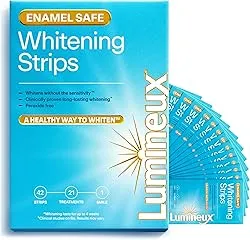
How Whitening Strips Work
Whitening strips are thin plastic strips coated with peroxide-based gel. This gel penetrates the enamel and breaks down stains caused by food, drinks, and aging.
Most whitening strips use hydrogen peroxide or carbamide peroxide. These chemicals lighten the natural color of enamel but do not change artificial materials like crowns or veneers.
This difference is important. Enamel-safe teeth whitening focuses on natural teeth only. If you have dental restorations, whitening may lead to uneven results.
Whitening strips are popular because they are easy to use at home and cost less than professional treatments. However, dentist-supervised teeth whitening safety is usually higher than over-the-counter products.
Are Whitening Strips Safe for Teeth?
Are whitening strips safe for teeth? In general, yes, when used correctly and on healthy natural teeth. Problems start when they are overused or applied to teeth with existing dental work.
Peroxide can weaken enamel if used too often. This increases the risk of tooth sensitivity from whitening and gum irritation.
Enamel-safe teeth whitening depends on proper usage. Always follow instructions and avoid extended use beyond recommended days.
People with cavities, gum disease, or worn enamel should be careful. Whitening strips can worsen these conditions if used without dental advice.
Whitening Strips with Braces: What You Must Know
Whitening Strips with Braces is one of the most searched dental questions. While it may seem tempting to whiten during orthodontic treatment, it is usually not recommended.
Braces cover parts of your teeth. Whitening strips cannot reach the enamel under brackets and wires. This causes uneven whitening, leaving darker squares after braces are removed.
The adhesive used for braces can also block the whitening gel. This makes the treatment ineffective and frustrating.
Another issue is tooth sensitivity from whitening. Braces already put pressure on teeth. Adding whitening chemicals can increase discomfort.
Dentists usually advise waiting until braces are removed. Dentist-supervised teeth whitening safety is much higher after orthodontic treatment is complete.
Can You Use Whitening Strips with Clear Aligners?
Clear aligners are different from metal braces. They are removable, which gives more flexibility.
Some people use whitening strips while wearing aligners, but caution is still needed. Whitening should only be done when aligners are removed.
If whitening strips are used incorrectly, gel can get trapped under aligners. This increases tooth sensitivity from whitening and gum irritation.
Dentists may recommend whitening gels specifically designed for aligners instead of strips. This approach improves enamel-safe teeth whitening.
Whitening Strips with Veneers: Are They Effective?
Veneers are thin shells placed over the front of teeth. They are often made of porcelain or composite materials.
Whitening strips do not whiten veneers. This is a key point many people misunderstand.
If you use whitening strips with veneers, only your natural teeth will change color. Veneers will stay the same shade, creating uneven results.
Side effects of teeth whitening strips may also affect the edges where veneers meet natural teeth. Sensitivity can occur around these areas.
If you have veneers and want a brighter smile, talk to a dentist. Professional cleaning or veneer replacement may be better options.
Whitening Strips with Crowns: Safety and Results
Crowns cover the entire tooth and are usually made of porcelain, ceramic, or metal-based materials.
Whitening strips do not work on crowns. Like veneers, crowns will not change color.
Using whitening strips with crowns can make surrounding teeth whiter while crowns stay darker. This makes color differences very noticeable.
Are whitening strips safe for teeth with crowns? They are not harmful to the crown itself, but the results may be disappointing.
Dentist-supervised teeth whitening safety includes evaluating crown color before whitening. Sometimes crowns need replacement after whitening for a uniform look.
Whitening Strips with Dental Bonding
Dental bonding uses resin material to repair chips, cracks, or gaps. Bonding material does not whiten.
If you use whitening strips with bonded teeth, the natural enamel will lighten, but bonding will stay the same shade.
This can lead to patchy-looking teeth. Many people notice this problem after whitening.
Side effects of teeth whitening strips, such as sensitivity, can also occur near bonded areas.
A dentist can advise whether whitening first and bonding later is a better plan.
Tooth Sensitivity from Whitening: Why It Happens
Tooth sensitivity from whitening is one of the most common complaints.
Peroxide penetrates enamel and reaches the dentin layer. This irritates the nerves inside the tooth.
Sensitivity can feel like sharp pain when eating hot, cold, or sweet foods.
People with braces, bonding, or thin enamel are more likely to experience sensitivity.
Using whitening strips less frequently and choosing enamel-safe teeth whitening products can reduce discomfort.
Side Effects of Teeth Whitening Strips
Side effects of teeth whitening strips vary from mild to severe depending on usage.
Common side effects include gum irritation, tooth sensitivity, and uneven whitening.
Gums can become sore if the gel touches them too often. This usually improves after stopping treatment.
Overuse can damage enamel, increasing long-term sensitivity.
Dentist-supervised teeth whitening safety reduces these risks by using controlled concentrations and protective measures.
Enamel-Safe Teeth Whitening: What It Means
Enamel-safe teeth whitening focuses on protecting the outer layer of your teeth.
Products labeled enamel-safe usually have lower peroxide levels and added minerals.
However, “enamel-safe” does not mean risk-free. Even gentle products can cause sensitivity if overused.
Using whitening strips with braces or restorations still carries risks, even if the product claims to be enamel-safe.
Professional guidance ensures true enamel-safe teeth whitening.
Dentist-Supervised Teeth Whitening Safety
Dentist-supervised teeth whitening safety is the gold standard.
Dentists evaluate your teeth, restorations, and gum health before whitening.
They use customized trays or in-office treatments that protect gums and control peroxide exposure.
This approach is safer for people with braces history, veneers, crowns, or bonding.
Although it costs more, the results are more predictable and long-lasting.
When Whitening Strips Are Not Recommended
Whitening strips are not recommended if you have active cavities or gum disease.
They are also risky for people with extensive dental restorations on front teeth.
Pregnant or breastfeeding individuals should consult a dentist first.
If you experience severe tooth sensitivity from whitening, stop immediately.
Dentist-supervised teeth whitening safety is a better option in these cases.
Alternatives to Whitening Strips
Professional whitening is one alternative with better safety.
Whitening toothpaste can help remove surface stains but will not dramatically change color.
Dental cleaning can improve brightness without chemicals.
For veneers and crowns, replacement or polishing may be needed for color improvement.
Each option has benefits and limitations depending on your dental work.
How to Use Whitening Strips Safely
- Always read instructions carefully.
- Do not exceed recommended time or frequency.
- Avoid using whitening strips with braces unless approved by your dentist.
- Stop use if you feel strong sensitivity or pain.
- Combine whitening with good oral hygiene for best results.
Long-Term Effects of Whitening on Dental Work
Long-term whitening does not damage crowns or veneers, but it can affect surrounding enamel.
- Repeated whitening increases the risk of sensitivity over time.
- Color mismatch becomes more noticeable as natural teeth lighten.
- Planning whitening around dental work is essential for long-term satisfaction.
- Dentist-supervised teeth whitening safety helps manage these long-term concerns.
Final Thoughts Before Whitening
Whitening Strips with Braces or other dental work is not always a safe or effective choice.
Understanding how whitening interacts with enamel, restorations, and sensitivity is crucial.
Many problems can be avoided with professional advice.
A brighter smile should never come at the cost of dental health.
Always prioritize safety over speed or convenience.
You Might Be Interested In
- What Side Of Whitening Strip Goes On Teeth?
- Can You Sleep With Teeth Whitening Strips?
- Whitening Strips vs Dentist Whitening UK: Results, Cost & Safety
- Can Teens Use Whitening Strips? UK Rules & Safer Alternatives
- White Spots After Whitening Strips: Causes & Fixes
Conclusion
Whitening Strips with Braces, veneers, crowns, or bonding requires careful consideration. While whitening strips can be effective on natural teeth, they do not work on artificial materials. This leads to uneven color and disappointing results for many users. Tooth sensitivity from whitening and other side effects of teeth whitening strips are also more common when dental work is present.
Are whitening strips safe for teeth? Yes, but only when used correctly and on healthy enamel. Enamel-safe teeth whitening and dentist-supervised teeth whitening safety provide better outcomes, especially for people with complex dental histories. Braces, veneers, crowns, and bonding each respond differently to whitening, making professional guidance extremely valuable.
If you want a whiter smile, the safest path is understanding your dental condition and choosing the right method. Whitening should enhance your smile, not harm it. Making informed decisions ensures results that are both beautiful and safe.
FAQs about Whitening Strips
Can I use whitening strips while wearing braces?
Using whitening strips while wearing braces is generally not advised because the brackets and wires cover parts of the teeth, preventing the whitening gel from reaching the enamel evenly. As a result, only the exposed areas of the teeth may lighten, while the areas under the brackets remain darker. When the braces are removed, this can leave visible uneven patches that are difficult to correct without additional whitening treatments.
Another concern is discomfort. Braces already place pressure on the teeth as they move into alignment, and adding whitening chemicals can increase tooth sensitivity from whitening. This combination may cause pain or irritation, especially for people with sensitive teeth. Most dentists recommend waiting until braces are removed before starting any whitening treatment to ensure safe and even results.
Are whitening strips safe for teeth with crowns or veneers?
Whitening strips are considered safe for natural tooth enamel, but they do not whiten crowns or veneers because these restorations are made from materials that do not respond to bleaching agents. This means that while your natural teeth may become lighter, crowns or veneers will stay the same color, leading to an uneven or mismatched smile. This effect is especially noticeable when restorations are on the front teeth.
In some cases, the whitening gel can also cause sensitivity around the edges of crowns or veneers where they meet natural enamel. While this does not damage the restoration itself, it can be uncomfortable. Dentists often recommend evaluating the color of existing crowns or veneers before whitening and, if needed, replacing them afterward for a more consistent appearance.
Why do whitening strips cause tooth sensitivity?
Tooth sensitivity from whitening occurs because the peroxide in whitening strips penetrates the enamel and reaches the dentin layer, which contains microscopic tubules connected to the tooth’s nerve. When these tubules are exposed, the nerves become more reactive to temperature changes, causing sharp or temporary pain when eating or drinking hot, cold, or sweet foods.
Sensitivity is more common in people with thin enamel, gum recession, or existing dental work such as bonding or braces history. Overusing whitening strips or leaving them on longer than recommended increases this risk. Choosing enamel-safe teeth whitening products and spacing out treatments can help reduce sensitivity and protect overall tooth health.
Is dentist-supervised whitening better than strips?
Dentist-supervised teeth whitening safety is generally higher than over-the-counter whitening strips because the treatment is tailored to your specific dental needs. Before whitening, a dentist examines your teeth, gums, and any existing restorations to determine the safest and most effective approach. This reduces the risk of uneven whitening, gum irritation, and excessive tooth sensitivity.
Professional whitening treatments also use controlled concentrations of whitening agents and protective measures for gums and soft tissues. While they may cost more than whitening strips, the results are usually more even, longer-lasting, and safer, especially for people with crowns, veneers, bonding, or a history of sensitivity.
What is the safest way to whiten teeth with dental bonding?
The safest way to whiten teeth with dental bonding is to consult a dentist before starting any whitening treatment. Bonding material does not whiten, so using whitening strips can cause the surrounding natural enamel to lighten while the bonded areas remain the same color. This often creates visible patches that affect the overall appearance of the smile.
In many cases, dentists recommend whitening the natural teeth first and then replacing or adjusting the bonding to match the new tooth color. This approach provides more uniform results and minimizes the side effects of teeth whitening strips, such as sensitivity or irritation. Professional guidance ensures that both your natural teeth and bonded areas look consistent and healthy.
