

the struggle. One minute you’re enjoying a morning latte or evening glass of red, the next, you catch a glimpse of your teeth and think, “Oh no, not again.” Coffee Tea Wine Stains: Best Whitening Strip Strategies for UK Diets
Stains build up gradually, but over time, they can make teeth look dull, yellowed, or just generally less healthy. I’ve seen people avoid smiling in photos or shy away from meetings because of this, and it doesn’t need to be that way.
Whitening strips have become a go-to solution for everyday stain removal. They’re convenient, accessible in most UK supermarkets or online, and if used properly effective. But here’s the catch: they aren’t magic wands. Coffee teeth stains, tea teeth stains, and wine teeth stains behave differently, and if you misuse the strips, you can get uneven results, tooth sensitivity, or disappointment.
This guide isn’t about hyped-up promises or marketing speak. I’ll take you through how these stains form, how whitening strips work, and which UK options deliver real results. I’ll also share practical tips for applying them safely, avoiding common mistakes, and keeping your smile bright without overdoing it. Think of it as the no-nonsense, hands-on guide I wish I had when I first started battling my own stubborn stains.
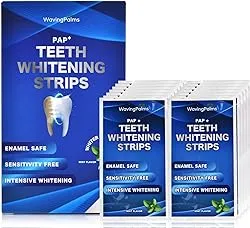
How Coffee, Tea & Wine Stain Teeth
Coffee, tea, and wine contain compounds called chromogens basically, intensely pigmented molecules. These love to cling to the enamel, the hard outer layer of your teeth. The enamel has microscopic pits and rough spots where chromogens can settle, gradually leading to visible stains. Coffee teeth stains often look more yellowish, while tea teeth stains can lean greenish-brown. Red wine is tricky it’s deeply pigmented and acidic, which can etch enamel slightly, making the staining even more noticeable.
Acidity plays a second role. Acidic drinks soften enamel temporarily, which means chromogens can embed more easily. Think of it like leaving a sponge out: it soaks up colour more efficiently when soft. That’s why wine stains are often more stubborn they don’t just sit on the surface; they seep a bit into the softened enamel.
Frequency and timing matter. Sipping coffee throughout the day, rather than all at once, exposes teeth repeatedly. Tea with milk can be less staining than black tea, but it still leaves residue. And if you’re rinsing or brushing immediately after a wine night, the acid makes enamel more sensitive, so aggressive brushing can actually worsen staining over time.
Lifestyle and habits compound the issue. Smoking, certain medications, and even genetics affect enamel thickness and porosity. Thin or naturally yellowish enamel will stain faster. This is why two people with identical tea-drinking habits can end up with very different smiles.
Professional vs At-Home Whitening
You might be tempted to think professional whitening is the only real solution, but that’s not strictly true. At a dentist’s office, bleaching agents are stronger and often paired with light-activation technology. Professionals can tailor the treatment to your enamel, manage sensitivity, and tackle deep stains. The results are usually quicker and more uniform.
However, professional whitening comes at a cost, often £300–£600 for a single session in the UK. For regular coffee, tea, or wine drinkers, that can be unsustainable if you need touch-ups every few months.
At-home whitening strips are the middle ground. They’re weaker than professional agents but still effective, especially on surface stains. The key is consistency and correct usage. I’ve seen people slap on strips erratically too long, too short, or inconsistently and wonder why their teeth aren’t improving. When used as directed, they gradually break down surface stains over a few weeks.
The main limitation? Strips won’t do much for deep intrinsic stains (from trauma, antibiotics in childhood, or ageing enamel). That’s where a dentist’s expertise is irreplaceable. But for everyday coffee teeth stains, tea teeth stains, and wine teeth stains, a good-quality whitening strip routine can be surprisingly effective and much gentler on the wallet.
Best Whitening Strips for Coffee, Tea & Wine Stains
In the UK, a few whitening strips consistently get good results without causing excessive sensitivity.
Here’s a breakdown based on my experience and feedback from UK users:
| Brand | Key Features | Notes |
|---|---|---|
| Crest 3D White Whitestrips | Flexible, enamel-safe, worn 30 mins/day | Popular in UK online stores; strong for surface stains; watch for slight sensitivity |
| Oral-B 3D White Luxe | Gentle formula, 14-day kit | Good for beginners; slightly weaker than Crest but kinder on sensitive teeth |
| Smileactives | Vegan-friendly, peroxide-based | Effective on coffee and tea stains; some users report uneven coverage if not applied carefully |
| Pearl Drops Whitening Strips | Affordable, widely available in Boots/Wilko | Mild whitening; best for maintenance rather than heavy staining |
Some practical points from experience:
- Always follow the timing instructions. Leaving strips on longer rarely improves results and often increases sensitivity.
- Ensure teeth are clean and dry before application. Strips stick better, and whitening agents penetrate enamel more evenly.
- Don’t expect overnight miracles. Even strong strips need multiple sessions for coffee teeth stains, tea teeth stains, or wine teeth stains.
- Rotate or alternate products if sensitivity develops. Sometimes a gentler formula works better for regular UK tea or coffee drinkers.
How to Use Whitening Strips Safely
Here’s a straightforward approach I use and recommend:
-
Brush gently first
Remove plaque but avoid aggressive scrubbing that could thin enamel.
-
Dry teeth lightly
Moisture reduces adhesion. Pat with a tissue or wait a few minutes after brushing.
-
Apply carefully
Cover visible surfaces, press firmly to reduce air bubbles.
-
Follow timing strictly
If the instructions say 30 minutes, don’t push to an hour.
-
Rinse thoroughly
After removing, brush lightly with fluoride toothpaste.
-
Avoid staining foods/drinks immediately
Wait at least 30–60 minutes before your morning coffee or evening wine.
Tips from hands-on experience:
- For sensitive teeth whitening UK routines, use strips every other day instead of daily to reduce discomfort.
- Keep lips and gums protected. Strips sometimes touch soft tissue; I’ve seen mild irritation if ignored.
- Store strips as instructed. Humidity in UK bathrooms can make them stick together or degrade effectiveness.
Daily Diet & Stain Prevention Strategies
Even the best whitening strips work better when you manage staining at the source.
Here’s how I approach it:
Coffee
- Use a straw occasionally to minimise contact with front teeth.
- Drink water immediately after finishing a cup.
- Consider swapping some of your daily lattes for milder options or black coffee if staining is severe.
Tea
- Milk reduces staining compounds, so add a splash.
- Green and herbal teas are usually less pigmented than black or chai teas.
- Rinse or sip water after tea breaks.
Wine
- Red wine is the worst offender due to deep pigments and acidity.
- Alternate with water while sipping.
- Avoid brushing immediately post-wine; enamel is softened. Wait 30–60 mins.
Other tips
- Limit sugary beverages and acidic drinks; they soften enamel, making stains stick more.
- Crunchy fruits and vegetables (apples, celery) naturally help scrub surface stains.
- Chew sugar-free gum after meals to boost saliva and rinse away pigments.
Consistency matters more than intensity. Even small steps like a glass of water after a tea break can make a big difference over months.
Oral Hygiene Habits That Boost Whitening
Your daily routine amplifies or undermines whitening strips. I’ve noticed the following habits make a huge difference:
-
Two-minute brushing
Spend full two minutes with a soft-bristled brush, covering all surfaces.
-
Floss daily
Plaque between teeth can block strips’ effectiveness and harbor stains.
-
Use fluoride toothpaste
Strengthens enamel, making it less porous and more resistant to staining.
-
Occasional whitening toothpaste
Can maintain brightness between strip applications but shouldn’t replace strips for heavy stains.
-
Mouthwash with caution
Alcohol-based rinses can dry out enamel; consider stain-fighting but enamel-friendly options.
Common Mistakes to Avoid
From my experience, UK users often fall into these traps:
-
Overusing strips
More isn’t better. Leads to sensitivity and uneven results.
-
Skipping preparation
Dirty, wet teeth reduce effectiveness.
-
Expecting miracles
Deep intrinsic stains won’t budge with strips.
-
Brushing too soon after acidic drinks
Enamel is temporarily soft; you can actually worsen staining.
-
Neglecting lifestyle habits
Continual exposure to staining beverages undermines all whitening efforts.
Post-Whitening Care & Maintenance
After you’ve achieved your desired shade:
-
Space out maintenance
1–2 times per month for touch-ups is often enough.
-
Stay hydrated
Water rinsing after coffee, tea, or wine helps prevent new stains.
-
Regular dental check-ups
Professionals can polish away early stains, maintaining results.
-
Gentle brushing
Avoid abrasive whitening toothpastes that can thin enamel over time.
You Might Be Interested In
- Peroxide-Free Strips vs Low-Peroxide Strips: Which whitens better under UK limits?
- Whitening Strips vs Dentist Whitening UK: Results, Cost & Safety
- Do Whitening Strips Damage Enamel? What UK Dentists Say
- Do Whitening Strips Work on Yellow Teeth?
- What Happens If You Leave Teeth Whitening Strips On Too Long?
- How Often Should You Use Teeth Whitening Strips?
- How Often Can You Use Crest Teeth Whitening Strips?
- Whitening Strips Before a Wedding: A 14-Day UK Plan That Works
- How Long Do You Leave Teeth Whitening Strips On?
- White Spots After Whitening Strips: Causes & Fixes
Conclusion
Coffee, tea, and wine stains are common, persistent, and sometimes frustrating. The good news is that with the right approach, you don’t have to live with dull or yellow teeth. Whitening strips UK options, when used correctly, can tackle surface stains effectively. The key is realistic expectations, careful application, and integrating habits that prevent stains from returning.
Combining practical stain-prevention strategies with safe use of whitening strips gives a sustainable solution. Protect enamel, avoid common mistakes, and maintain a consistent oral hygiene routine, and your smile will thank you. Remember, whitening isn’t just about vanity it’s about confidence and feeling good every time you flash your teeth. A few minutes of care each day can keep your coffee teeth stains, tea teeth stains, and wine teeth stains at bay without breaking the bank or your enamel.
FAQs
How to remove wine and coffee stains from teeth?
Wine and coffee are notorious for leaving stubborn stains on teeth due to their dark pigments and acidic nature. To reduce staining, start with a consistent oral hygiene routine that includes brushing twice daily with a fluoride toothpaste and flossing regularly to remove plaque buildup. Using a whitening toothpaste or a toothpaste with baking soda can help lift surface stains over time. Professional dental cleanings are also highly effective for removing deeper stains, and some dentists offer in-office whitening treatments that can significantly brighten your smile in a single session. Additionally, rinsing your mouth with water immediately after consuming wine or coffee helps minimize the amount of staining residue left on the enamel.
Which are the best whitening strips in the UK?
The UK market offers several highly rated whitening strips that have proven effective for brightening teeth. Popular options often include Crest 3D White Whitestrips, Pearl Drops Whitening Strips, and SmileLab Advanced Whitening Strips, which are known for their balance of whitening power and enamel safety. When choosing a whitening strip, it’s important to consider the concentration of peroxide, the recommended duration of use, and your sensitivity levels. Strips with lower peroxide percentages tend to be gentler for sensitive teeth, while higher percentages provide faster results. Consulting with a dentist before starting any whitening treatment is always a good idea, as they can guide you toward the safest and most effective product for your specific needs.
Can whitening strips remove coffee stains?
Yes, whitening strips can be effective at removing coffee stains, particularly those that are superficial and have accumulated over time. The active ingredient in most strips, usually hydrogen peroxide or carbamide peroxide, works to break down and lift the discolouration from the tooth surface. However, results vary depending on the depth of the stain, frequency of coffee consumption, and enamel condition. For best results, use the strips as directed and maintain a good oral hygiene routine to prevent new stains from forming. Severe or older stains may require professional whitening treatments to achieve optimal results.
Will my teeth get whiter if I stop drinking tea and coffee?
Reducing or eliminating tea and coffee from your diet can help prevent further staining and may gradually improve the appearance of your teeth, but it will not usually reverse existing stains completely. Over time, avoiding these beverages allows your teeth to retain a cleaner surface, especially when combined with regular brushing, flossing, and professional cleanings. For noticeable whitening, additional treatments like whitening toothpaste, whitening strips, or professional dental whitening may be needed. Essentially, stopping staining beverages is more of a preventive step than a full whitening solution.
What is the 2 hour coffee rule?
The 2 hour coffee rule refers to the recommendation of waiting at least two hours after drinking coffee before brushing your teeth. Coffee is acidic, and immediately brushing after consuming it can cause enamel erosion since the enamel is temporarily softened by the acid. By waiting two hours, your saliva has time to naturally neutralize the acidity and help re-harden the enamel, making brushing safer and more effective. Rinsing with water or chewing sugar-free gum immediately after coffee can also help reduce staining and acid exposure while you wait to brush
