

White Spots After Whitening Strips are a common concern for people trying to brighten their smile at home. You expect evenly white teeth, but instead you may notice chalky patches, uneven tones, or sudden bright white marks on certain areas of your teeth. These spots can be surprising and even worrying, especially if they appear right after removing whitening strips.
The good news is that White Spots After Whitening Strips are usually temporary and rarely a sign of permanent damage. In most cases, they are linked to dehydration, enamel structure, or uneven whitening results rather than serious dental problems. Understanding why these spots appear is the first step toward fixing them and preventing them in the future.
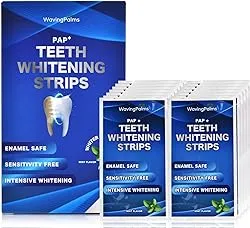
This comprehensive guide explains everything you need to know about white spots after whitening strips, including insights on the Best Teeth Whitening Strips Uk and Waving Palms Teeth Whitening Strips, covering the real causes, practical fixes, prevention tips, and when to seek professional help with simple language, clear explanations, and realistic solutions for everyday use.
White Spots After Whitening Strips
White Spots After Whitening Strips happen when the whitening process affects different areas of the tooth in different ways. Teeth are not perfectly smooth or uniform. Some areas absorb whitening gel faster, while others react more slowly.
Whitening strips use peroxide-based ingredients to break down stains. During this process, moisture is temporarily pulled out of the tooth enamel. This leads to visible changes in color, especially in weaker or more porous areas of the enamel.
In most situations, these spots fade as the teeth rehydrate naturally. However, if whitening is overused or done incorrectly, the spots can last longer or become more noticeable.
What Do White Spots Look Like?
White spots can vary in appearance depending on the cause. Some people notice small dots, while others see larger chalky patches.
Common descriptions include:
- Chalky white spots on teeth
- Cloudy or milky patches
- Bright white areas that contrast with surrounding enamel
- Uneven whitening results across the smile
These changes are often more visible right after whitening and may lessen within a few hours or days.
Main Causes of White Spots After Whitening Strips
Tooth Enamel Dehydration
One of the most common causes of White Spots After Whitening Strips is tooth enamel dehydration. Whitening strips temporarily dry out the enamel by removing moisture.
When enamel loses moisture, it reflects light differently. This makes some areas look whiter than others. Dehydration white spots on enamel are usually temporary and fade as saliva restores moisture.
This is why dentists often advise waiting 24 to 48 hours before judging final whitening results.
Uneven Whitening Results
Uneven whitening results happen when whitening gel does not spread evenly across the teeth. Whitening strips may not fully contact curved or crowded areas.
Teeth with natural grooves, ridges, or previous dental work can whiten unevenly. These differences can show up as white spots or patches after using whitening strips.
Uneven whitening results are more common in people with:
- Crooked teeth
- Enamel texture differences
- Existing enamel weaknesses
Pre-Existing Enamel Weakness
Some people already have weak spots in their enamel due to early mineral loss. Whitening makes these areas stand out more clearly.
When whitening strips are applied, these weaker areas react faster to peroxide. This can cause chalky white spots on teeth that were already developing before whitening began.
These spots may not disappear completely without professional treatment.
Overuse of Whitening Strips
Using whitening strips too often or leaving them on longer than recommended can increase whitening strips side effects.
Overuse can intensify enamel dehydration and lead to stronger white spots. It can also cause tooth sensitivity and gum irritation.
Following instructions exactly is essential to reduce the risk of White Spots After Whitening Strips.
Saliva Flow Differences
Saliva helps protect and rehydrate teeth. Areas of the mouth with less saliva flow may stay dehydrated longer.
This uneven rehydration can make white spots more visible in certain parts of the mouth, especially near the edges of teeth.
Are White Spots After Whitening Strips Permanent?
In most cases, White Spots After Whitening Strips are not permanent. They often fade within a few hours to a few days as enamel rehydrates.
Temporary white spots caused by tooth enamel dehydration usually resolve on their own. Drinking water and allowing natural saliva flow helps speed up the process.
However, white spots linked to mineral loss or enamel damage may last longer and require professional care.
How Long Do White Spots Last?
The duration depends on the cause.
- Dehydration white spots on enamel may fade within hours
- Mild uneven whitening results may even out in a few days
- Deeper chalky white spots on teeth may take weeks or longer
If white spots last more than two weeks, it is best to consult a dental professional.
Fixes for White Spots After Whitening Strips
Give Teeth Time to Rehydrate
The simplest fix for White Spots After Whitening Strips is patience. Teeth need time to regain moisture.
Avoid judging whitening results immediately. Wait at least 48 hours before making any decisions or applying more whitening products.
Drinking water regularly supports natural rehydration.
Avoid Immediate Re-Whitening
Reapplying whitening strips too soon can worsen the problem. This increases tooth enamel dehydration and makes white spots more noticeable.
Allow at least two weeks between whitening sessions to give enamel time to recover.
Use Remineralizing Toothpaste
Toothpaste designed to strengthen enamel can help reduce white spots. These products support mineral balance and smooth enamel surfaces.
They are especially helpful for managing chalky white spots on teeth caused by early enamel weakness.
Use them consistently for several weeks.
Maintain Good Oral Hygiene
Proper brushing and flossing help saliva reach all tooth surfaces evenly. This supports uniform rehydration and reduces uneven whitening results.
Use a soft toothbrush to avoid further enamel stress.
Avoid Acidic Foods and Drinks
Acidic foods can weaken enamel further after whitening. Limiting sodas, citrus fruits, and vinegar-based foods helps protect enamel while it recovers.
This step is important when dealing with whitening strips side effects.
Professional Treatments for Persistent White Spots
Fluoride Treatments
Dental fluoride treatments help strengthen enamel and reduce the appearance of white spots. They support mineral absorption in weak areas.
This option is effective for mild to moderate enamel changes.
Resin Infiltration
For deeper white spots, resin infiltration can blend the color of the enamel. This treatment fills porous areas and improves appearance.
It is often used for chalky white spots on teeth that do not fade naturally.
Professional Whitening Adjustment
A dentist can adjust whitening treatments to even out color differences. This may involve targeted whitening or polishing.
Professional guidance reduces the risk of future White Spots After Whitening Strips.
Preventing White Spots After Whitening Strips
Follow Instructions Carefully
Always follow the recommended usage time. Do not extend wear time hoping for faster results.
Proper use reduces whitening strips side effects and lowers the risk of uneven whitening results.
Space Out Whitening Sessions
Give your teeth enough recovery time between treatments. This allows enamel to rehydrate fully.
Spacing sessions helps prevent tooth enamel dehydration.
Prepare Teeth Before Whitening
Brushing gently and avoiding acidic foods before whitening can reduce enamel stress.
Healthy enamel responds more evenly to whitening strips.
Stay Hydrated
Drinking water supports saliva production, which protects teeth and reduces dehydration white spots on enamel.
Hydration plays a bigger role than many people realize.
Myths About White Spots After Whitening Strips
White Spots Mean Permanent Damage
This is not true in most cases. White Spots After Whitening Strips are often temporary and related to dehydration.
Permanent damage is rare when products are used correctly.
Whitening Strips Ruin Enamel
When used as directed, whitening strips are generally safe. Problems usually come from overuse or misuse.
Understanding whitening strips side effects helps avoid unnecessary fear.
More Whitening Fixes Uneven Spots
Applying more whitening often makes uneven whitening results worse. Time and enamel care are better solutions.
Emotional Impact of White Spots
Seeing white spots after whitening can feel discouraging. Many people worry their smile looks worse than before.
It helps to remember that White Spots After Whitening Strips are common and usually temporary. Understanding the cause reduces anxiety and prevents rushed decisions.
Confidence often returns as teeth rehydrate and even out naturally.
When to See a Dentist
You should consult a dentist if:
- White spots last longer than two weeks
- Spots become more noticeable over time
- You experience pain or extreme sensitivity
Professional advice ensures the right treatment and prevents long-term issues.
Long-Term Enamel Care After Whitening
Maintaining enamel health is key to preventing future problems. Focus on gentle care, balanced diet, and proper oral hygiene.
Avoid frequent whitening cycles and always prioritize enamel protection over quick cosmetic results.
Healthy enamel leads to even, natural-looking whitening.
You Might Be Interested In
- What Side Of Whitening Strip Goes On Teeth?
- How Often Can You Use Crest Teeth Whitening Strips?
- Do You Brush Your Teeth After Whitening Strips?
- Dissolvable Whitening Strips: Pros, Cons & Best Picks UK
- Are Teeth Whitening Strips Legal in the UK?
Conclusion
White Spots After Whitening Strips can be surprising, but they are usually not a serious problem. In most cases, these spots are caused by tooth enamel dehydration, uneven whitening results, or pre-existing enamel weaknesses. The bright or chalky appearance often fades as teeth rehydrate and saliva restores balance.
Understanding the real causes helps you respond calmly and correctly. Simple steps like waiting before re-whitening, staying hydrated, and using enamel-supporting toothpaste can make a big difference. Avoiding overuse of whitening products is one of the best ways to prevent whitening strips side effects.
If white spots persist, professional treatments can safely restore a natural, even smile. With patience and proper care, White Spots After Whitening Strips do not have to stand in the way of confident, healthy teeth.
FAQs about Whitening Strips
Are white spots after whitening strips normal?
Yes, white spots after whitening strips are very common and usually normal. They often appear because the whitening gel temporarily removes moisture from the tooth surface, leading to tooth enamel dehydration. When enamel dries out, it reflects light unevenly, making some areas look much whiter than others. These dehydration white spots on enamel are especially noticeable immediately after removing the strips.
In most cases, these spots are temporary and fade within 24 to 48 hours as saliva naturally rehydrates the teeth. Drinking water and avoiding further whitening during this time helps the enamel return to its normal appearance. If the spots gradually fade, there is usually no cause for concern.
How can I fix white spots after whitening strips at home?
The simplest way to fix white spots at home is to give your teeth time to recover. Avoid using whitening strips again right away, as repeated use can worsen uneven whitening results. Staying well hydrated allows saliva to restore moisture to the enamel, which helps reduce the appearance of chalky white spots on teeth.
Using an enamel-strengthening or remineralizing toothpaste can also support recovery. These products help smooth the enamel surface and balance mineral levels, which can improve the overall color of your teeth over time. Gentle oral care and patience are often enough to see improvement.
Do white spots mean my enamel is damaged?
White spots do not always mean that your enamel is permanently damaged. In many cases, white spots after whitening strips are simply a sign of temporary dehydration rather than true enamel harm. Once moisture returns to the enamel, the color usually evens out and the spots fade.
However, if the white spots were present before whitening or do not improve after a couple of weeks, they may indicate areas of weaker enamel. These spots can become more noticeable after whitening. In such cases, a dental professional can evaluate whether additional care or treatment is needed.
Can I continue using whitening strips if I see white spots?
It is generally not recommended to continue using whitening strips if you notice white spots. Continuing treatment too soon can increase whitening strips side effects, including stronger tooth enamel dehydration and more visible uneven whitening results. This can make the spots brighter and more difficult to fade.
Taking a break allows your enamel to recover and rehydrate properly. Once the white spots have faded and your teeth feel comfortable again, you can consider resuming whitening with caution or seek professional advice for a safer approach.
How long should I wait before whitening again?
Most people should wait at least two weeks before whitening again after noticing white spots. This waiting period gives the enamel enough time to fully rehydrate and regain its natural balance. Rushing into another whitening session increases the risk of repeated white spots and sensitivity.
Spacing out whitening treatments helps protect enamel and leads to more even, natural-looking results. If white spots return frequently, it may be a sign to reduce whitening frequency or explore professional options instead of frequent at-home treatments.
